I am told that jetlag hits harder the older you get so I accepted my lack of sleep on the day of my presentation without much protest, the entire night a feverish array of tossing and turning, multiple restroom trips, the shuttering of the eyelids and their eventual rising when the light filtered through the curtains and I spotted with my crusted eyes, A.’s meditative silhouette in the corner of the hotel room.
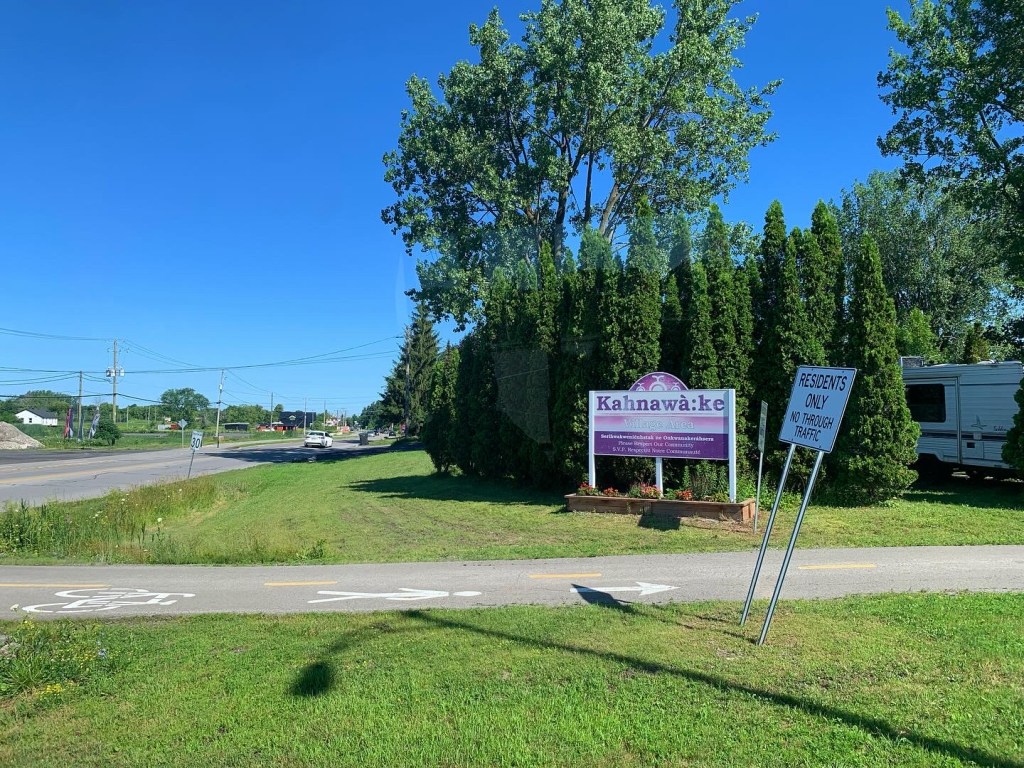
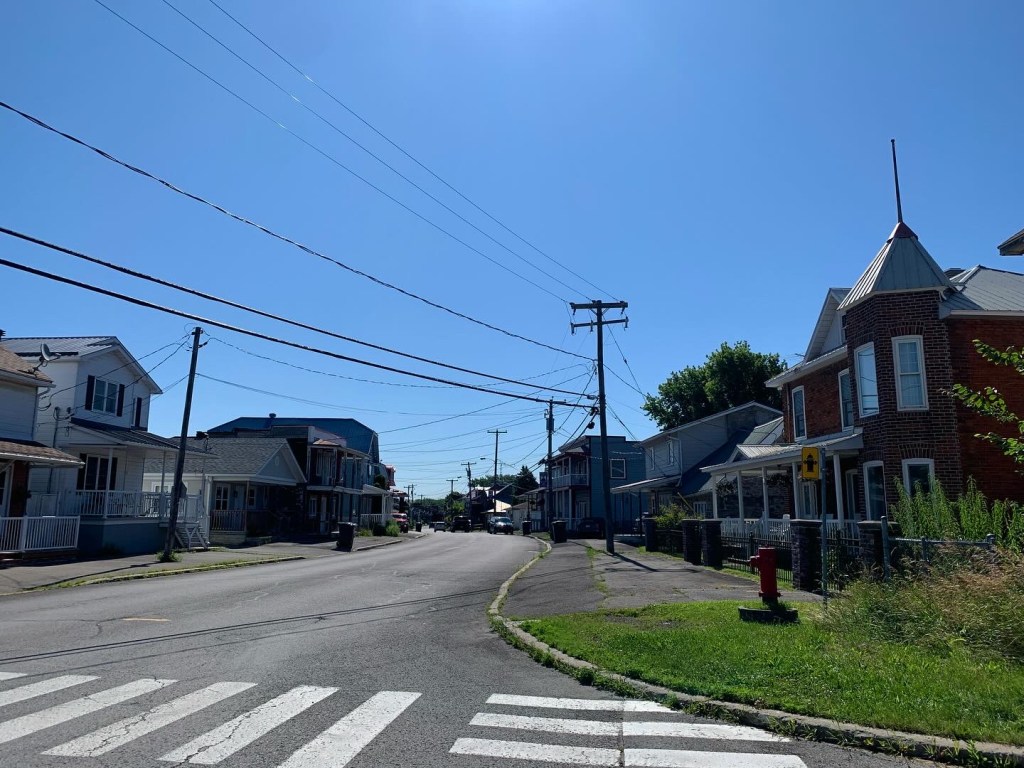
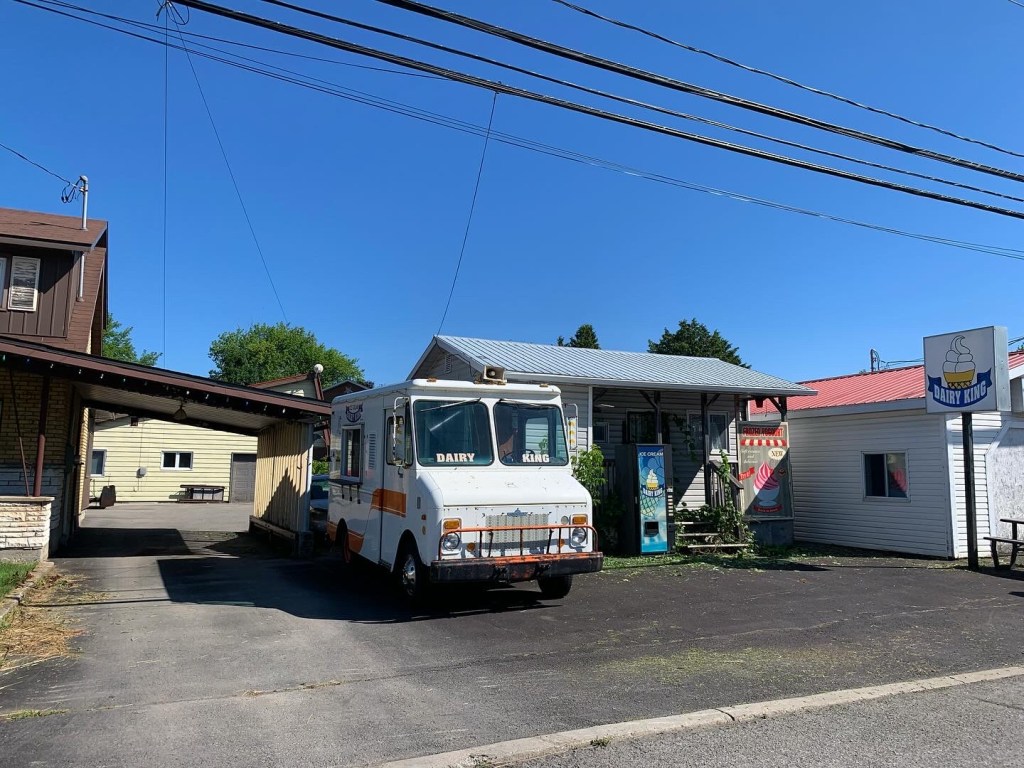
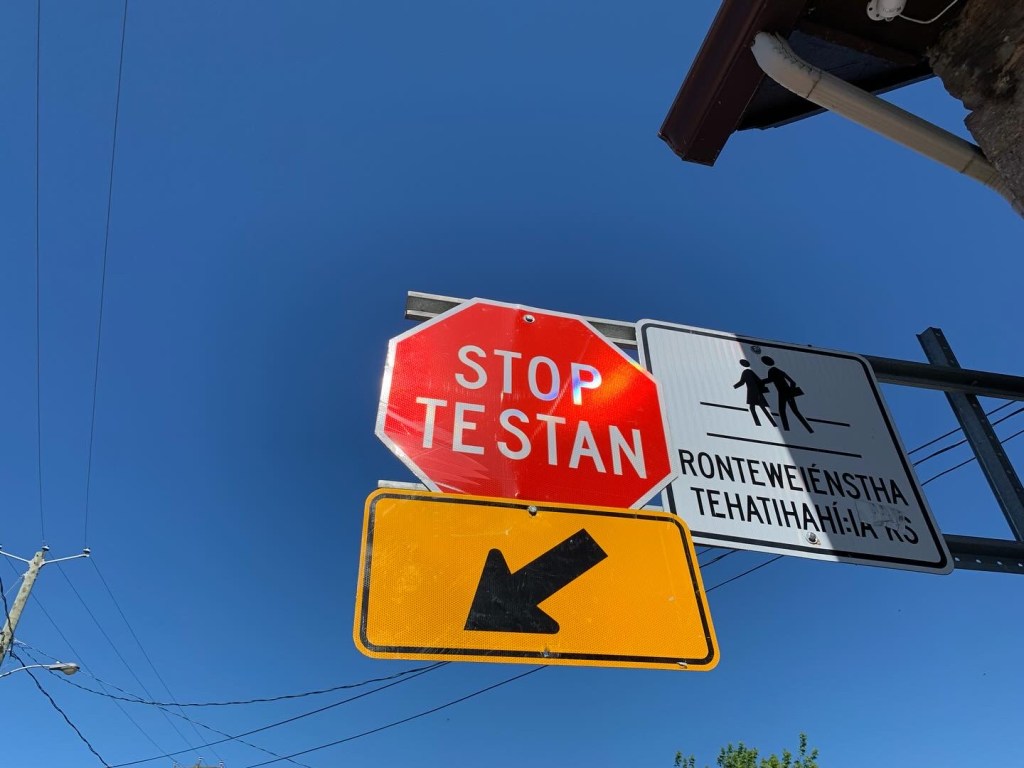
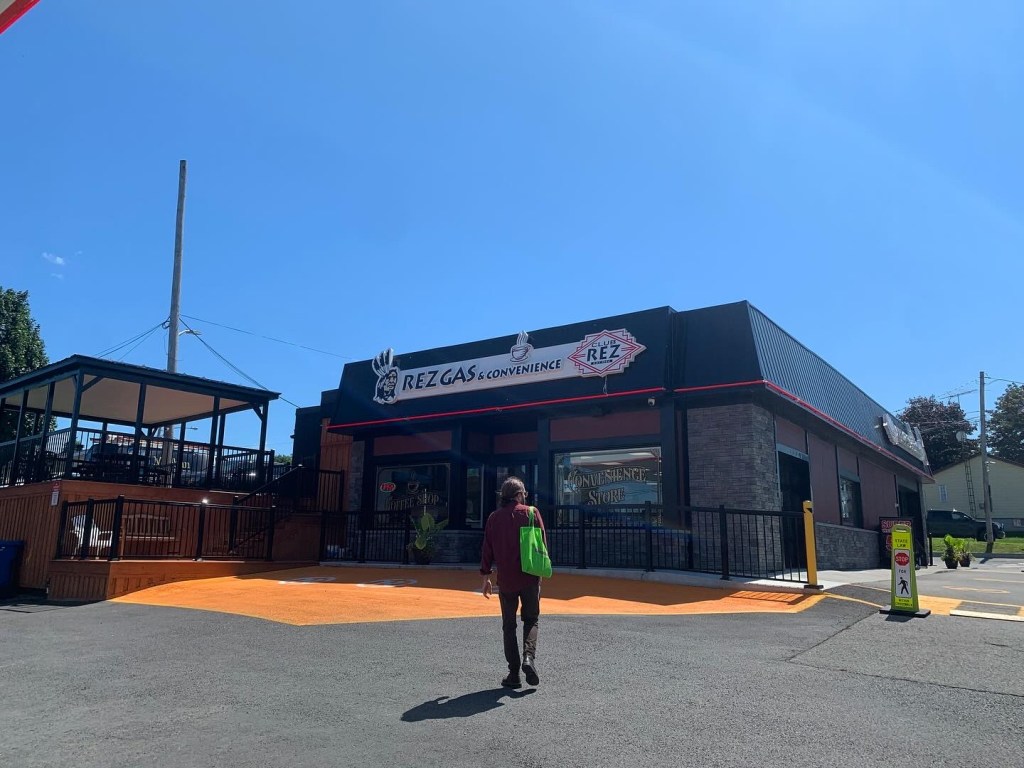
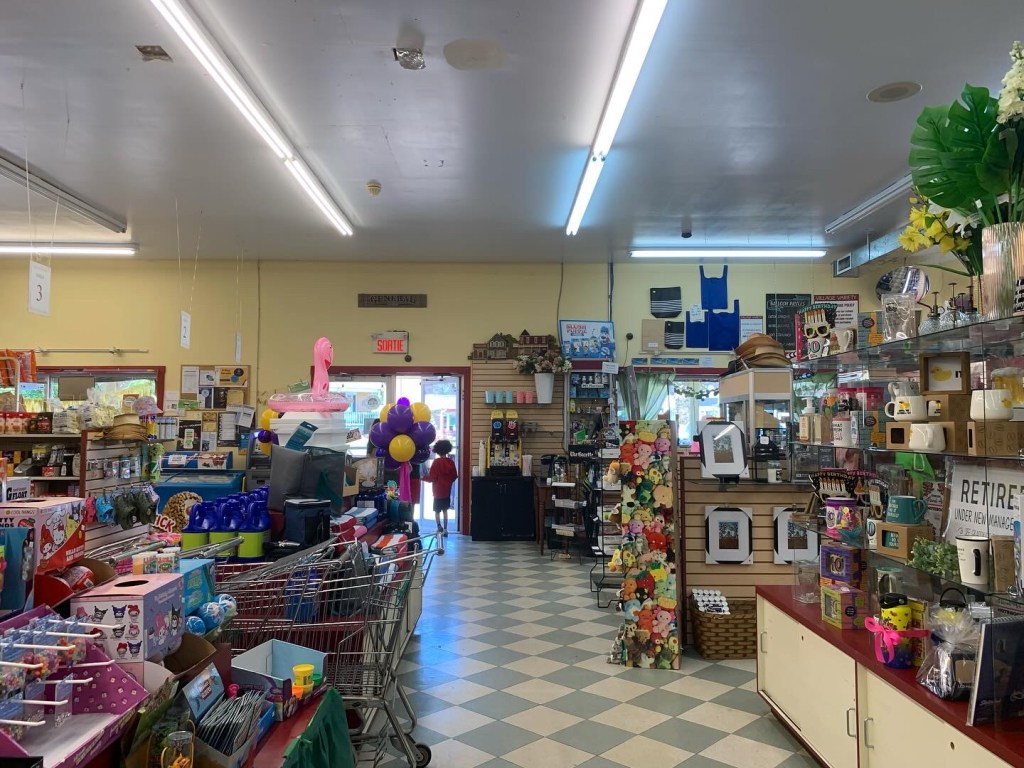
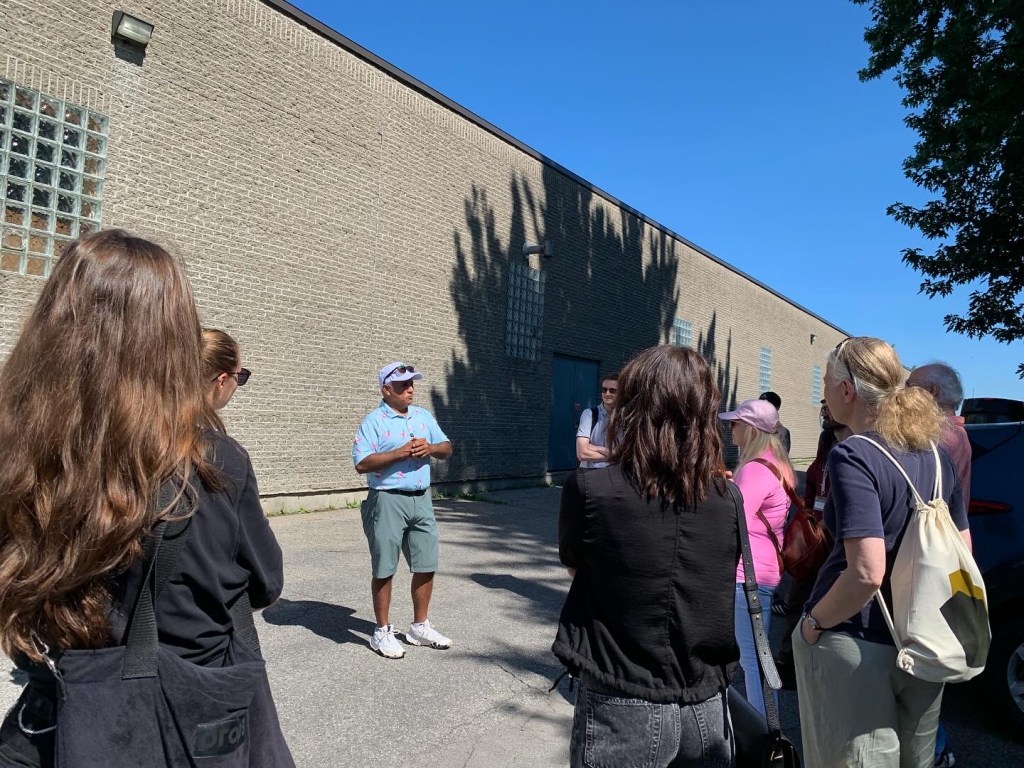
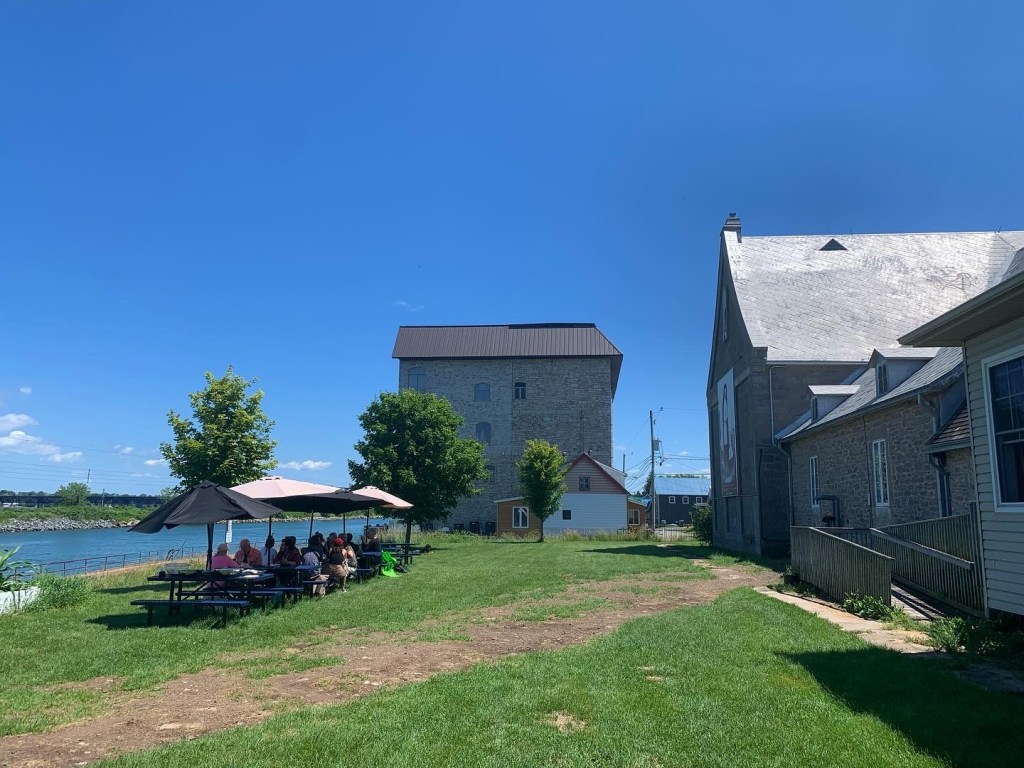
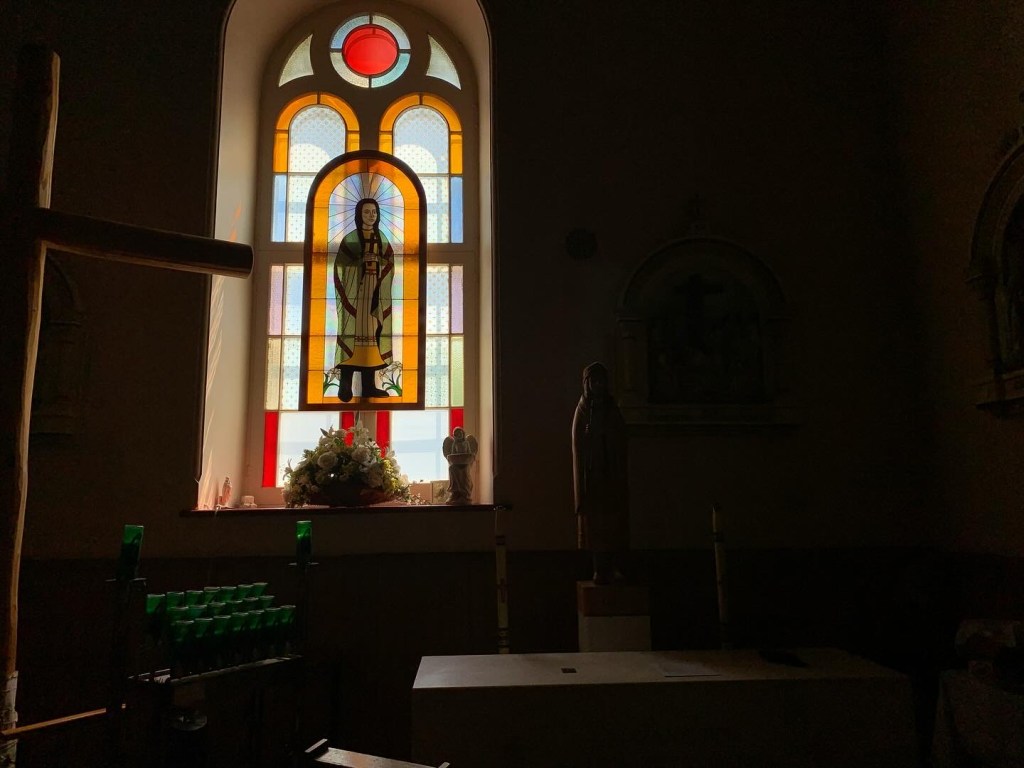
On the day I was due to present, my giddy anticipation before the presentation had to be tempered by a sobering trip to Kahnawá:ke, a First Nations territory located on the southern shore of Québec’s St. Lawrence River. Dwayne, a history teacher turned education consultant and our guide for the day, spoke somberly about the history of the Iroquois, a history of immense loss and the long, ongoing process of reconciliation. I thought I detected some chagrin when Dwayne said that he sees himself as a “floater,” someone who is in-between, having not adopted the Catholicism brought over by French colonizers nor fully reconnected with the dispossessed Longhouse culture of his people. But I also thought that I sensed some pride when Dwayne said that his daughter speaks better Kanienʼkéha than he does.
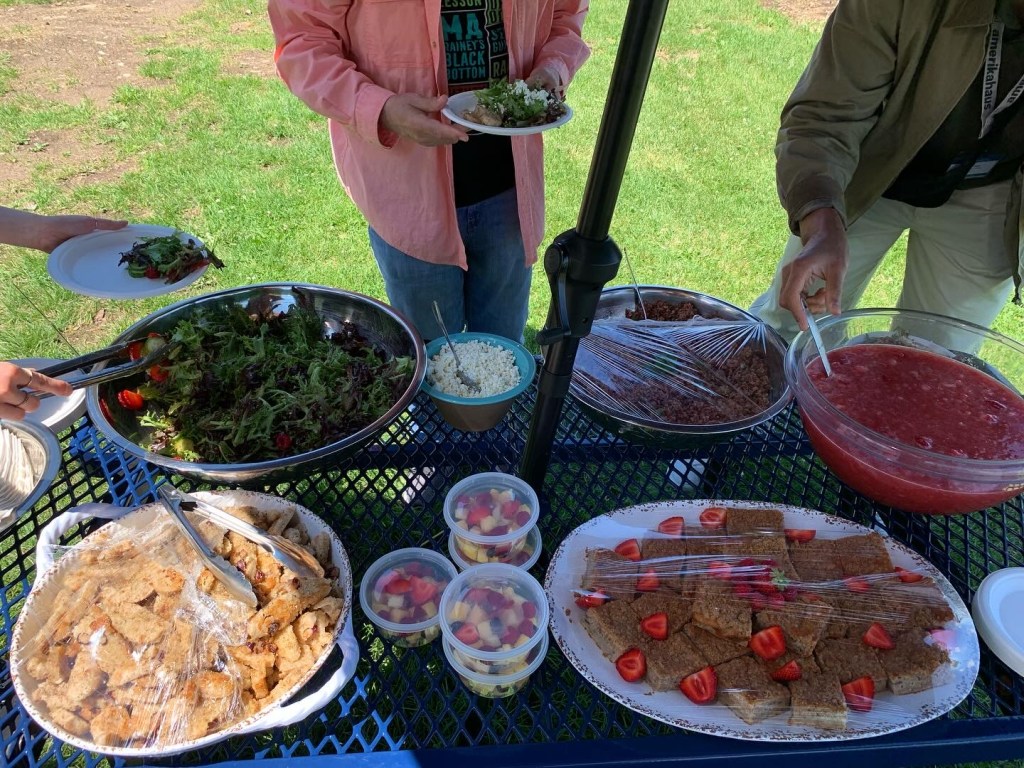
By late noon I was awake for over 16 hours. A catered picnic lunch offered a brief respite: cornbread, goat cheese, wild rice salad, and watermelon ice under patio umbrellas overlooking the river. I combed through some of the notes I jotted down:
The Truth & Reconciliation Commission of Canada was formed in 2008 to rectify the legacy of residential schools, a legacy that involved taking kids aged 4-17 away from reserves so that they could be assimilated into “Euro-Canadian culture.” The last federally funded residential school closed in Canada in 1997. In 2021, 215 possible unmarked graves were discovered under a former residential school in British Columbia. A memorial site in Kahnawá:ke was set up. People left flowers, bears, and children’s shoes.
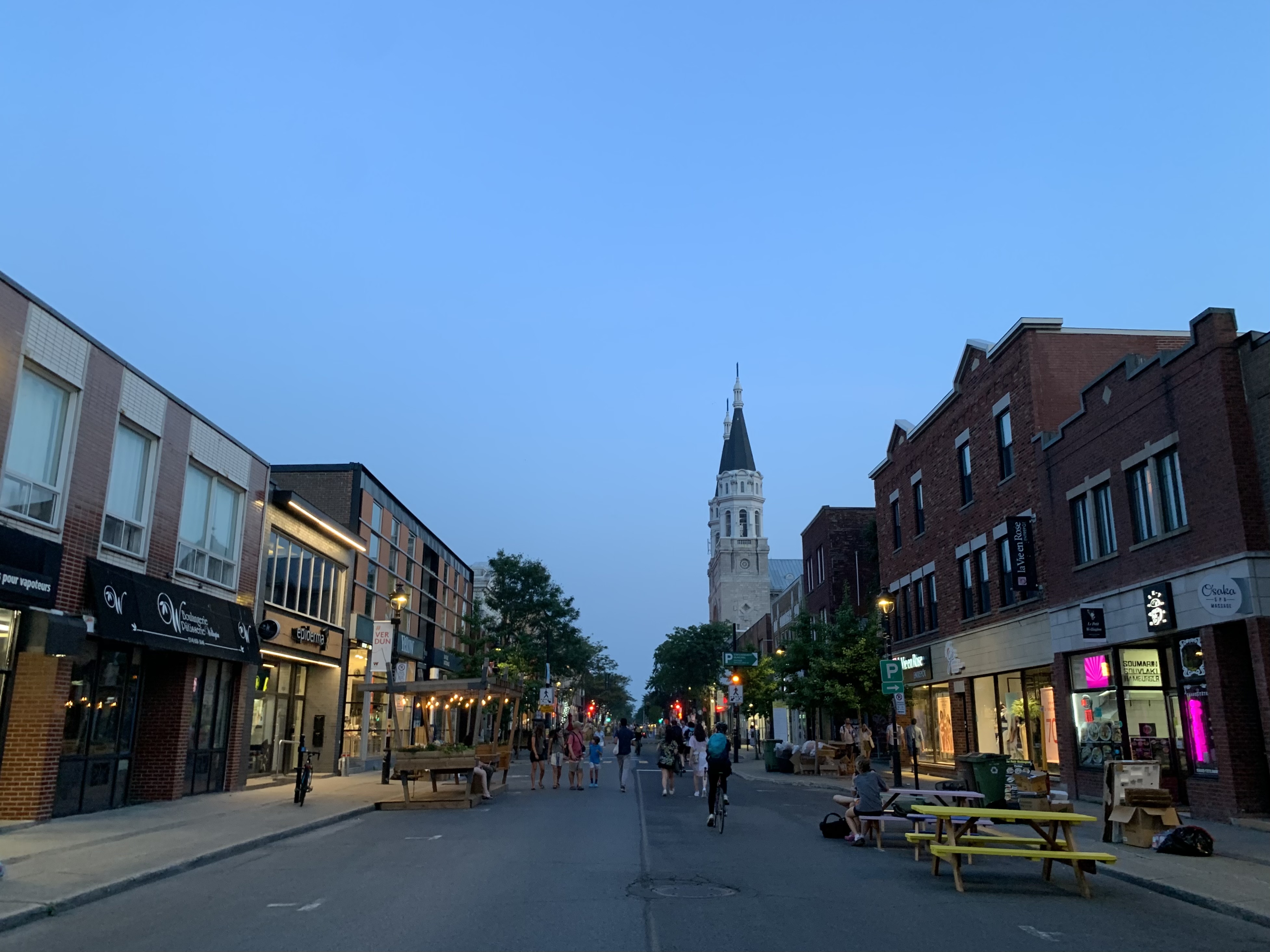
I am back from Canada and will attempt to organize my thoughts chronologically, though it might be an impossible endeavour, the dizzying effects of jetlag and a week that has unfolded like a dream. The evening we landed we took a cab to Verdun, where our first hunt for poutine was a failure, after the restaurant owner convinced us that poutines were “tourist traps” and we were better off having smash burgers for just a couple more Canadian bucks. Sleep was fitful that night: I closed my eyes and opened them again, at various hours.
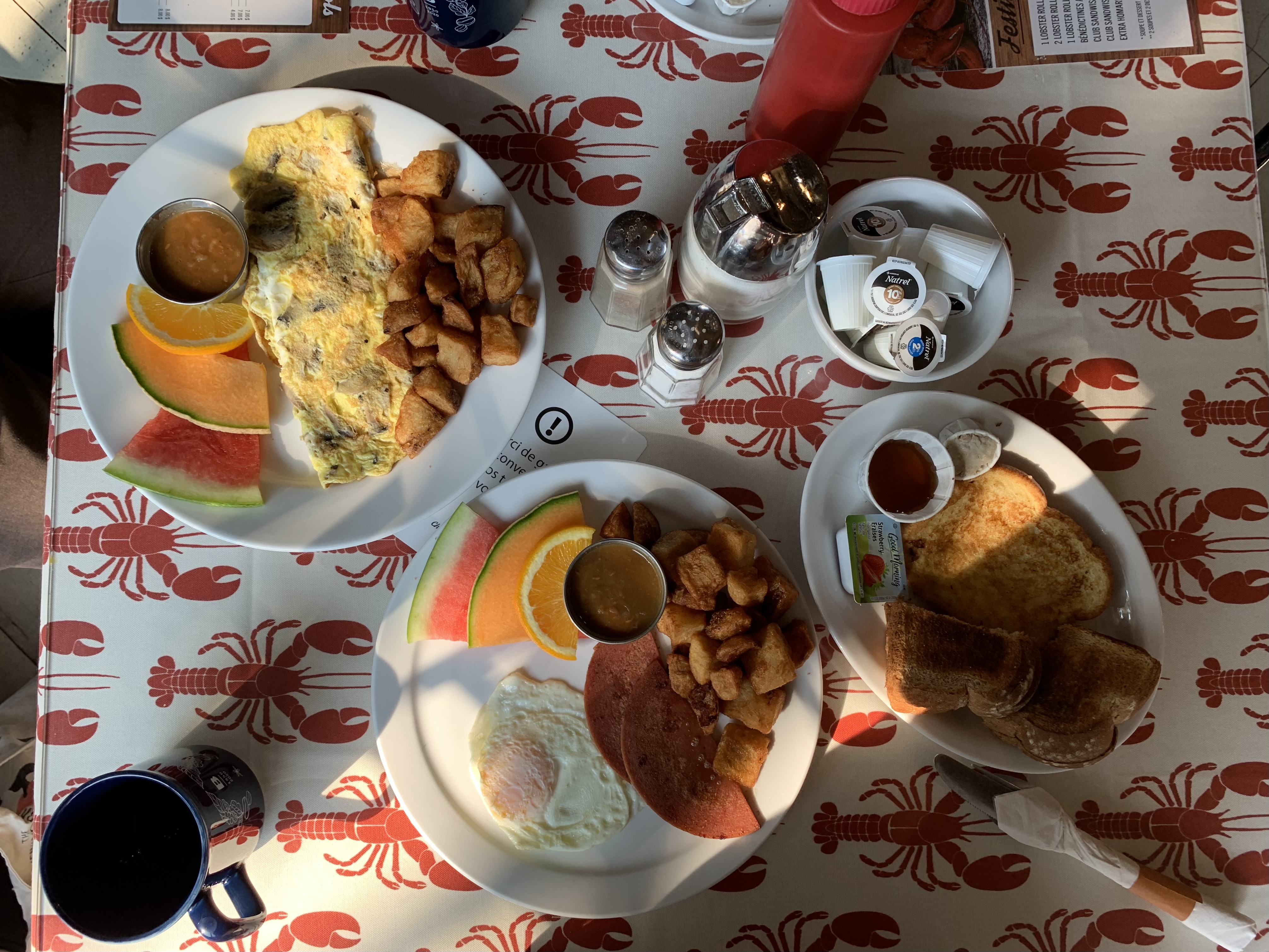
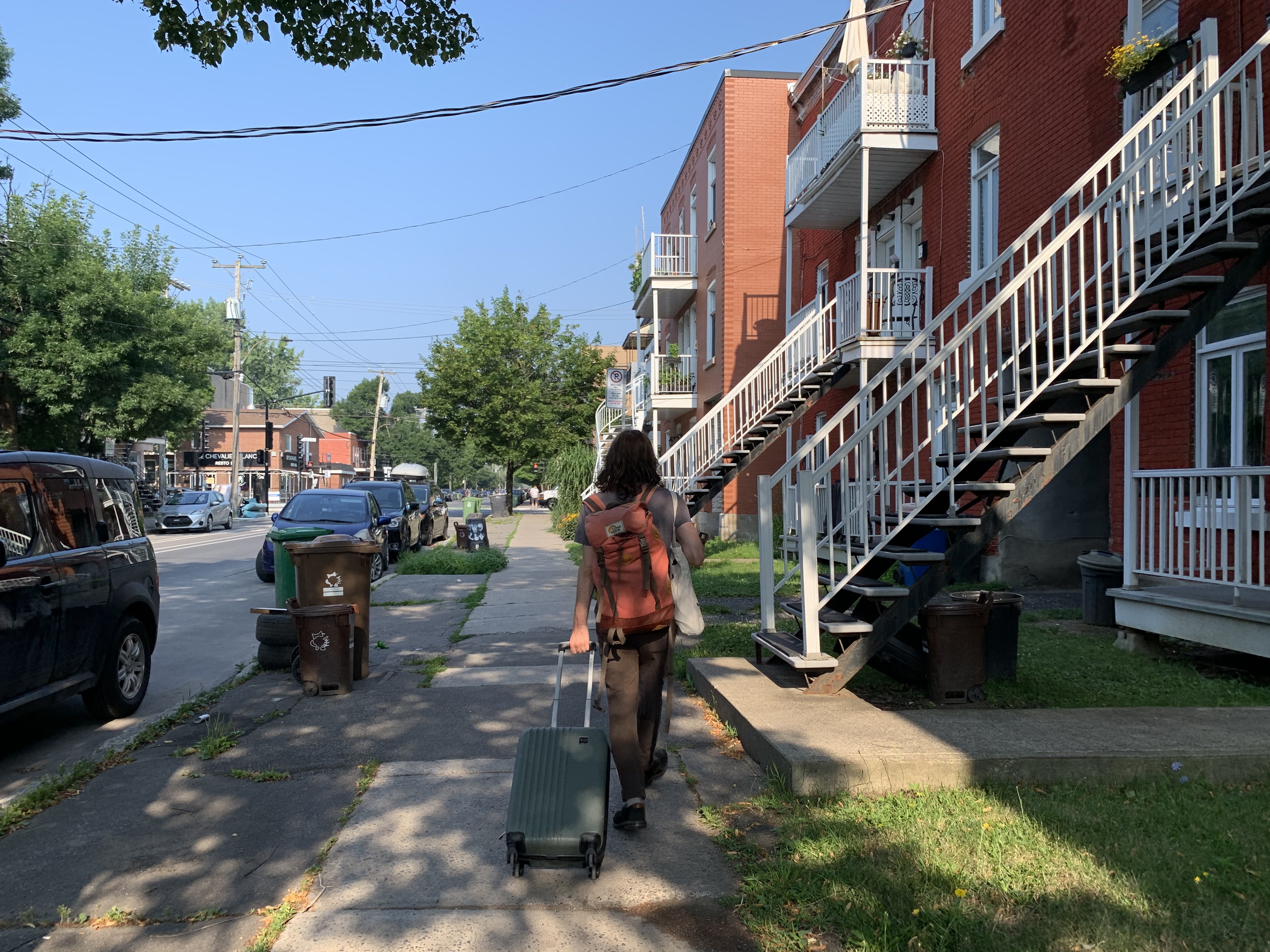
In the morning we said goodbye to our temporary flatmates, a group of Indian friends, and found ourselves practising French at a diner with the stale smell of grease and waitresses who called you honey, saying “deux” everytime our coffee had to be refilled. I heard someone at the next table say that they fish the lobsters out of St. Lawrence, “not the river but the gulf.” At another table, a kid asked for more bacon. We continued our way north to go downtown, our suitcases straddling behind us on potholed streets like reluctant passengers. The sun glinted off the surfaces of skyscrapers.
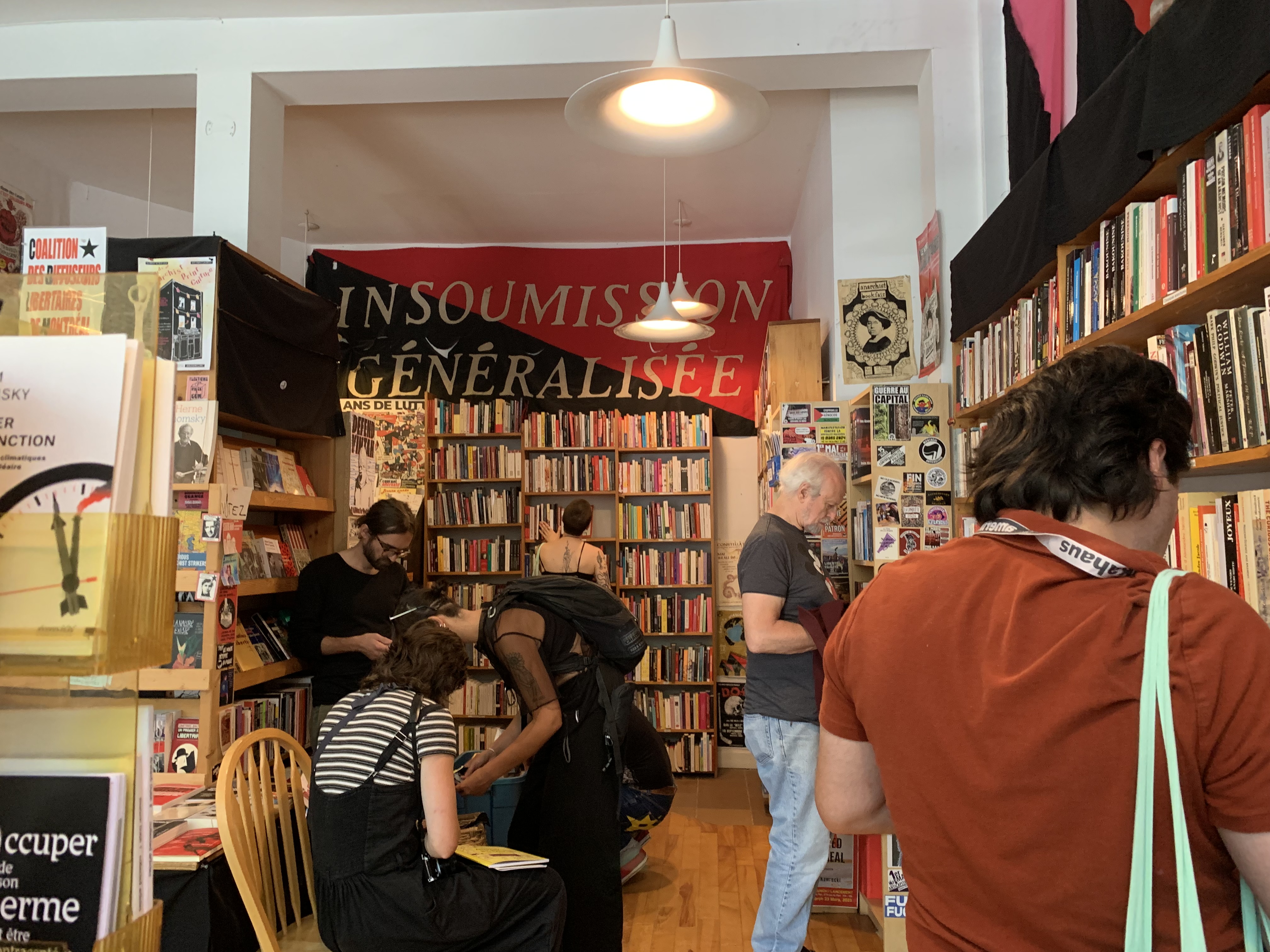
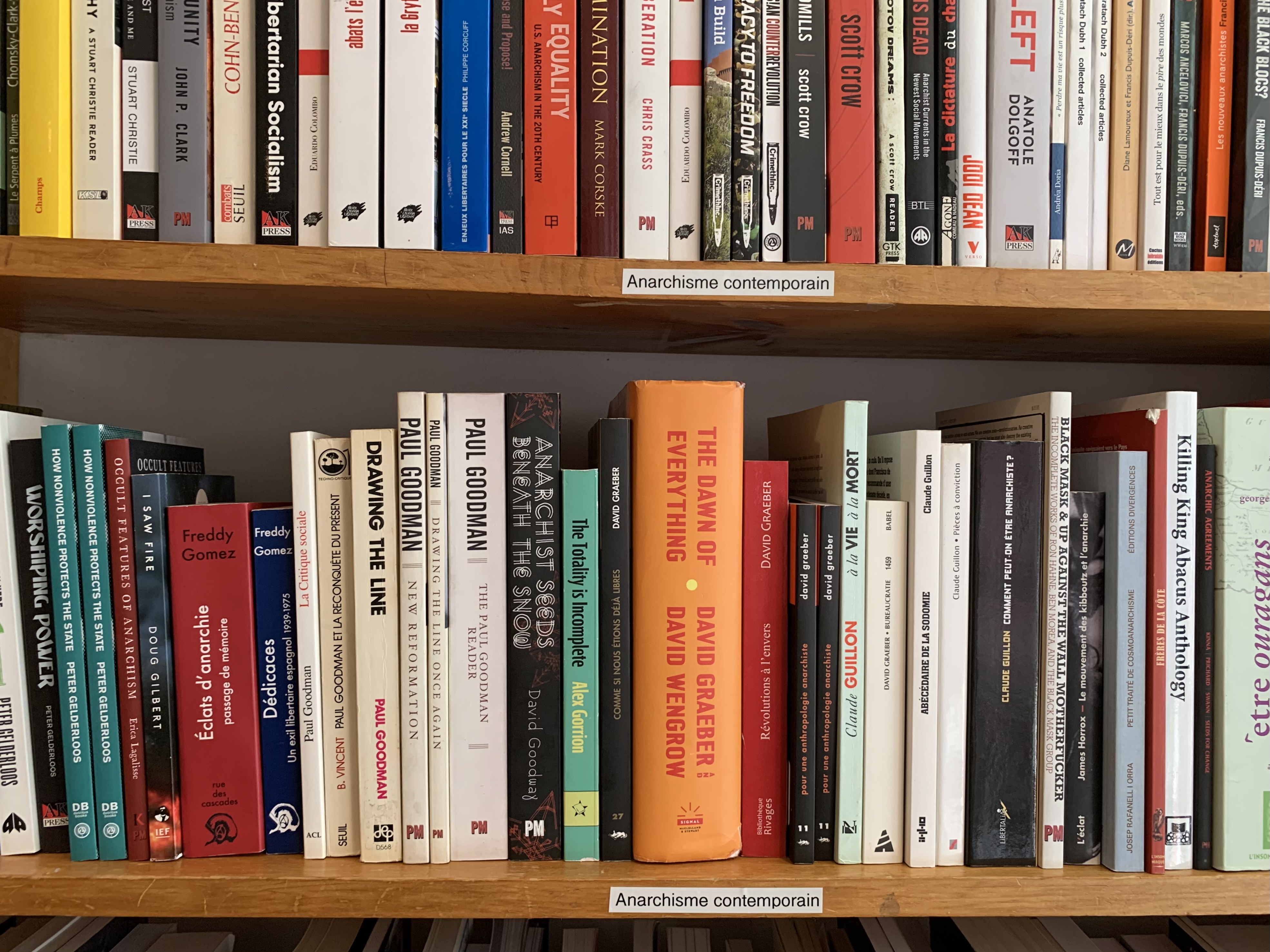
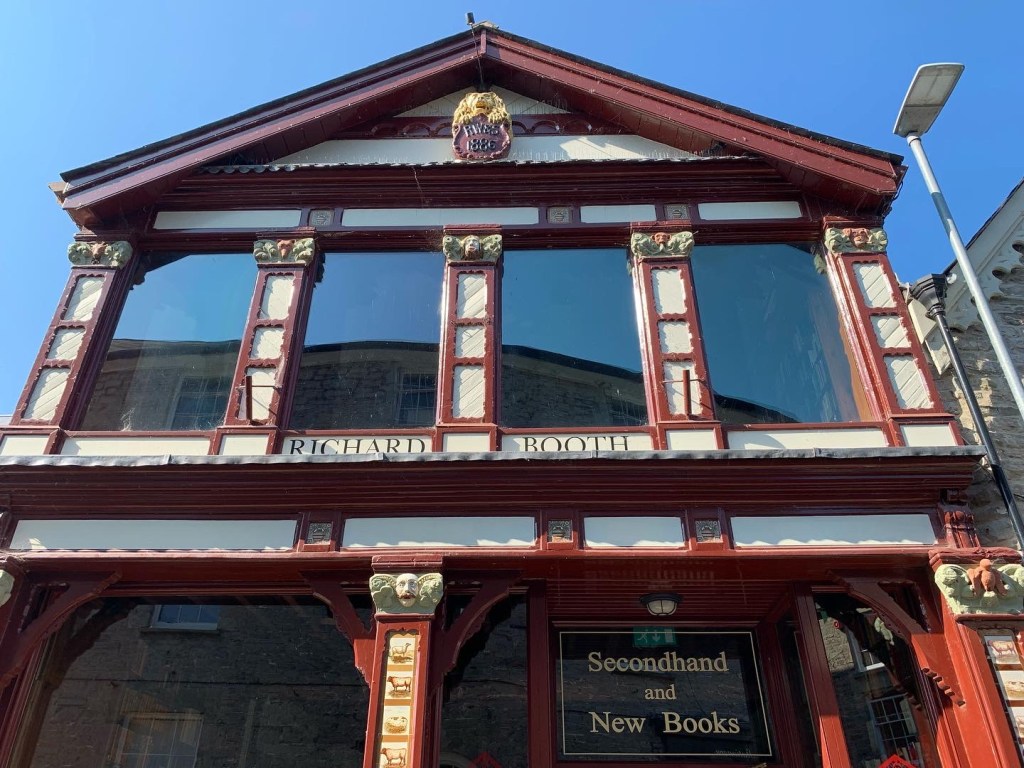
At the anarchist bookstore we were introduced to the various shelves – classic anarchy, contemporary anarchy, shelves that deal with class and race, shelves that imagine a future. Though anarchy was distant to me as a concept, I was surprised to find that I had read a lot of related books, that some of my academic research could perhaps even be considered anarchic work but without the activism (which was key). Liz, who gave us the tour of the bookstore, said that the work of ideas is important too, that “we need everyone.” I found her words consoling and learned later that she is the granddaughter of Ksawery Pruszynski, a prominent Polish journalist who was present at the Spanish Civil War to cover the work of anarchists resisting against the Franco regime.
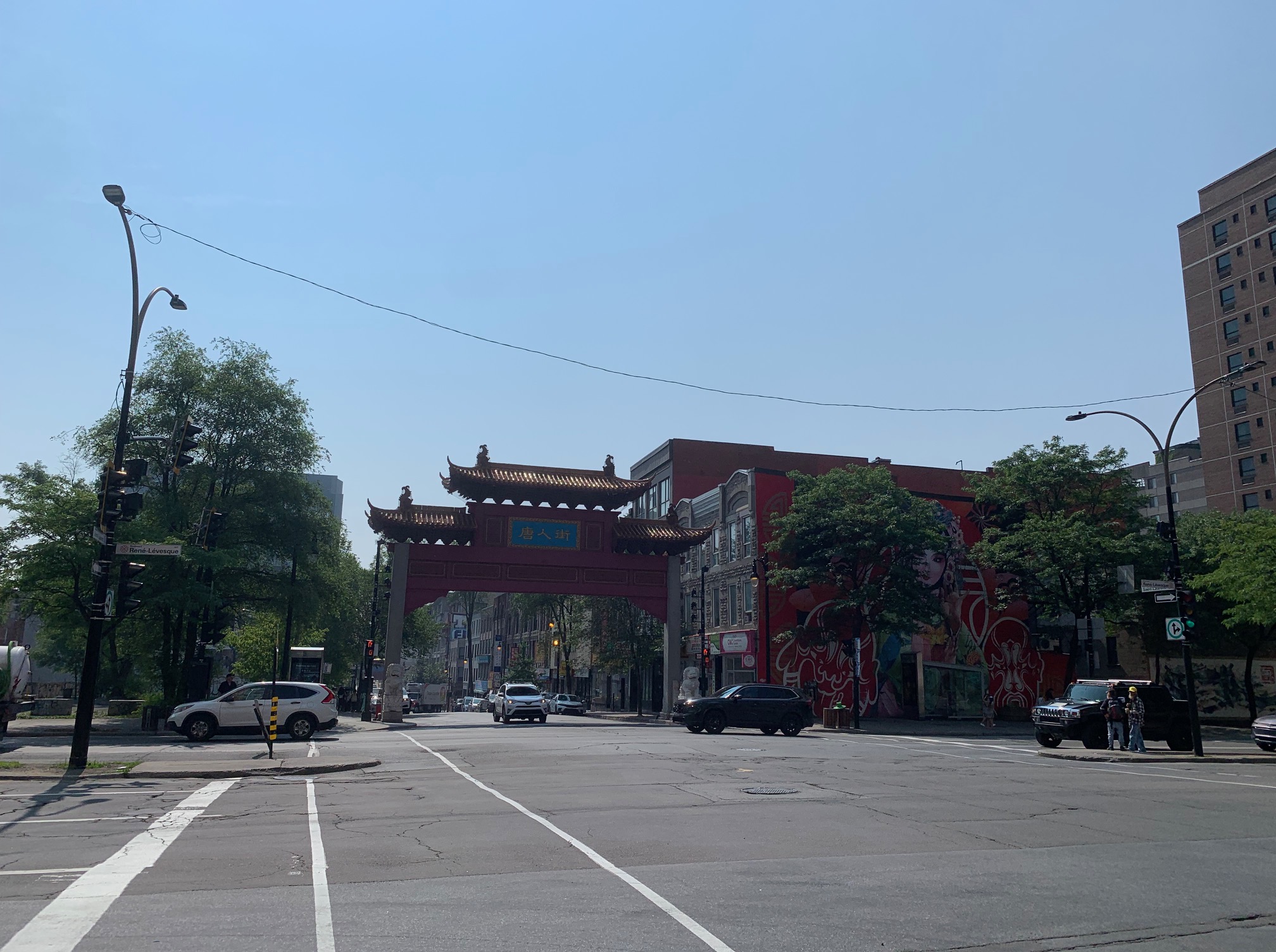
While A. checked in, I got a haircut in Chinatown. After exchanging pleasantries in Mandarin, the hairdresser asked if I was happy in Germany. I shrugged my shoulders and asked if she was happy in Montreal. She said no, but she had moved here 22 years ago for love, and it is home.
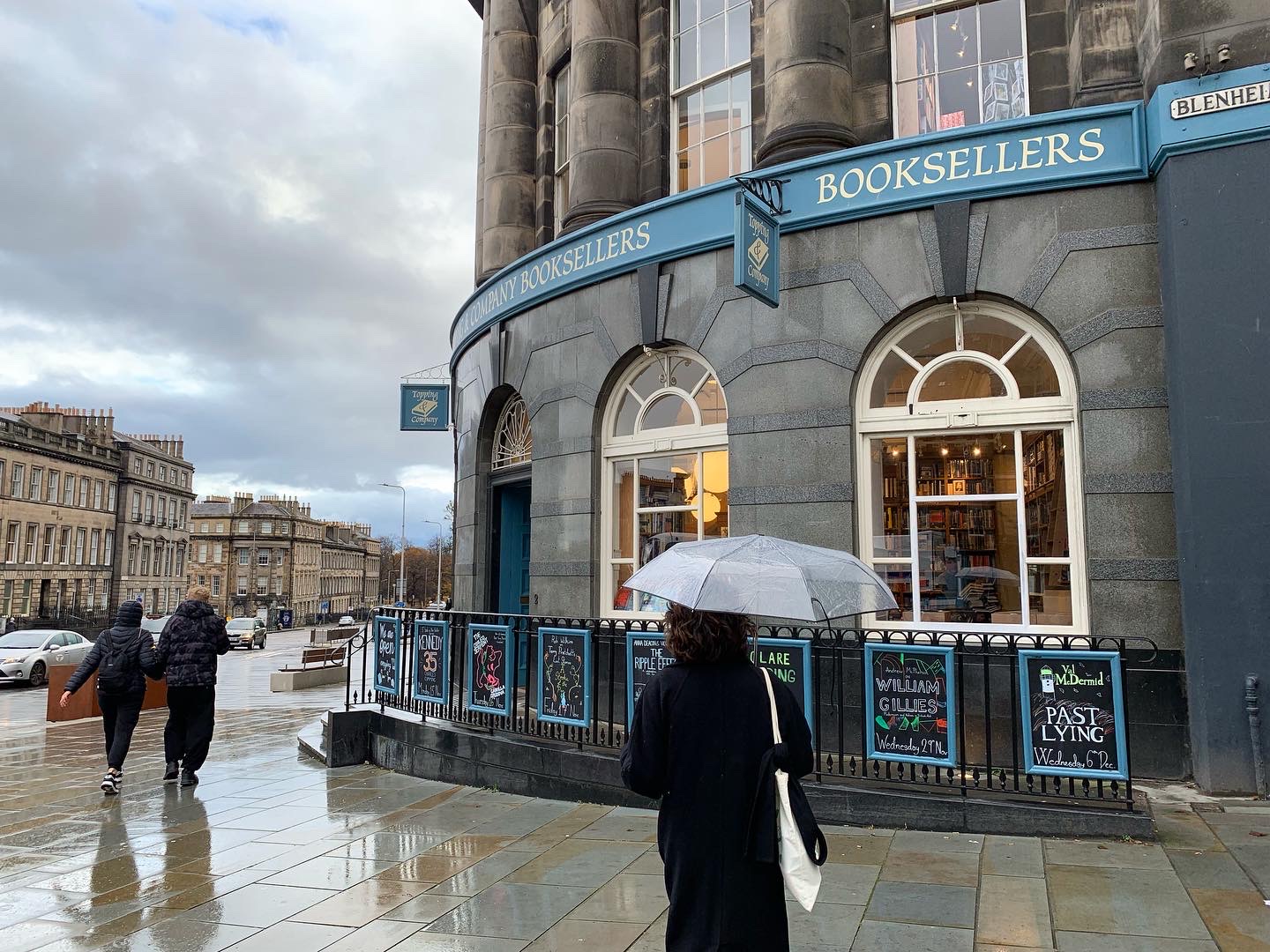
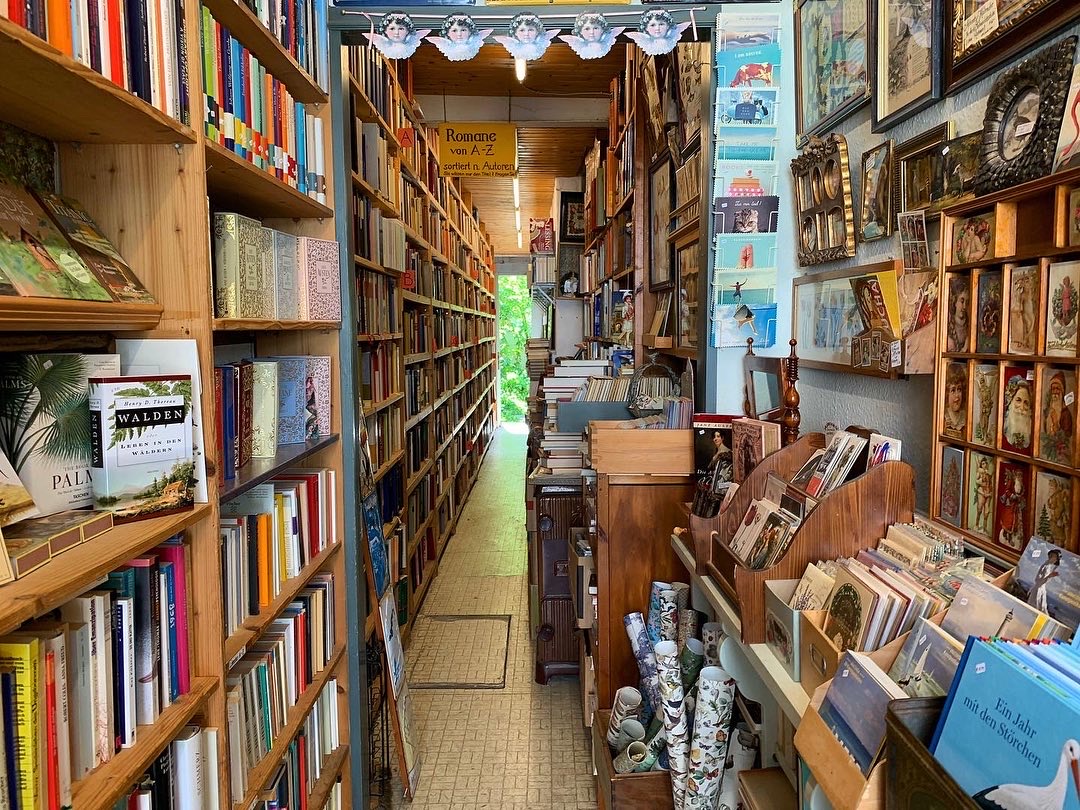
At various points of the night they performed sleep to assure themselves that any affliction to their somnolence was not due to one another. In the morning they both said they slept well and separated to different rooms to prepare for a day mostly spent in bookstores and charity shops. They sat silently at a cafe, watched as the rain collect on umbrellas and polish the streets.
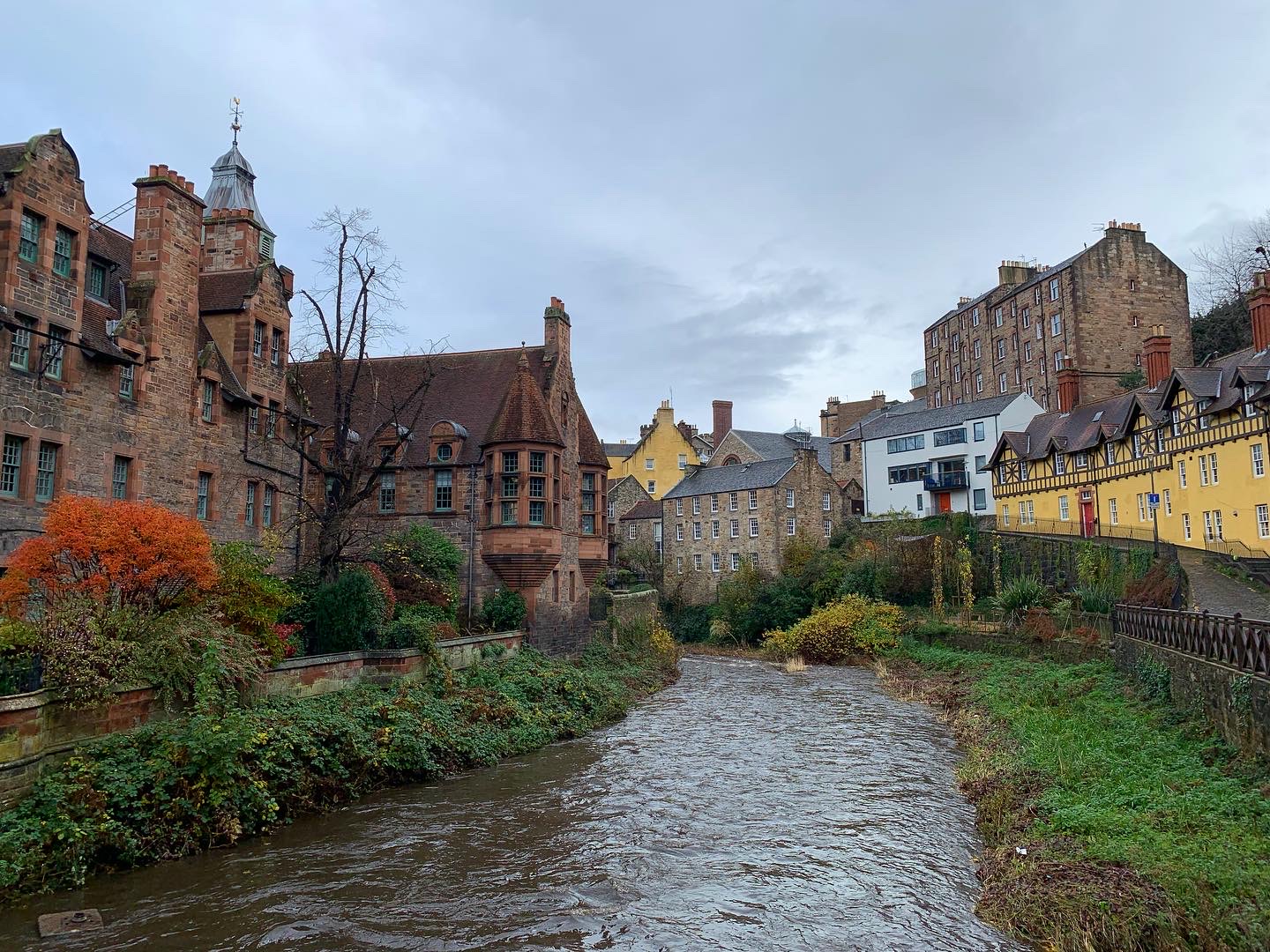
They found a village nestled in the heart of the #city. There they traced the River Leith towards the port up north but stopped short of going towards the edge, and so they imagined the river flow out to the Firth of Forth. Through the man-made fog at Sneaky Pete’s later in the evening, the haunting voice of Black Belt Eagle Scout sang the river to them: “But I can’t see you/But I can feel/Your energy.”
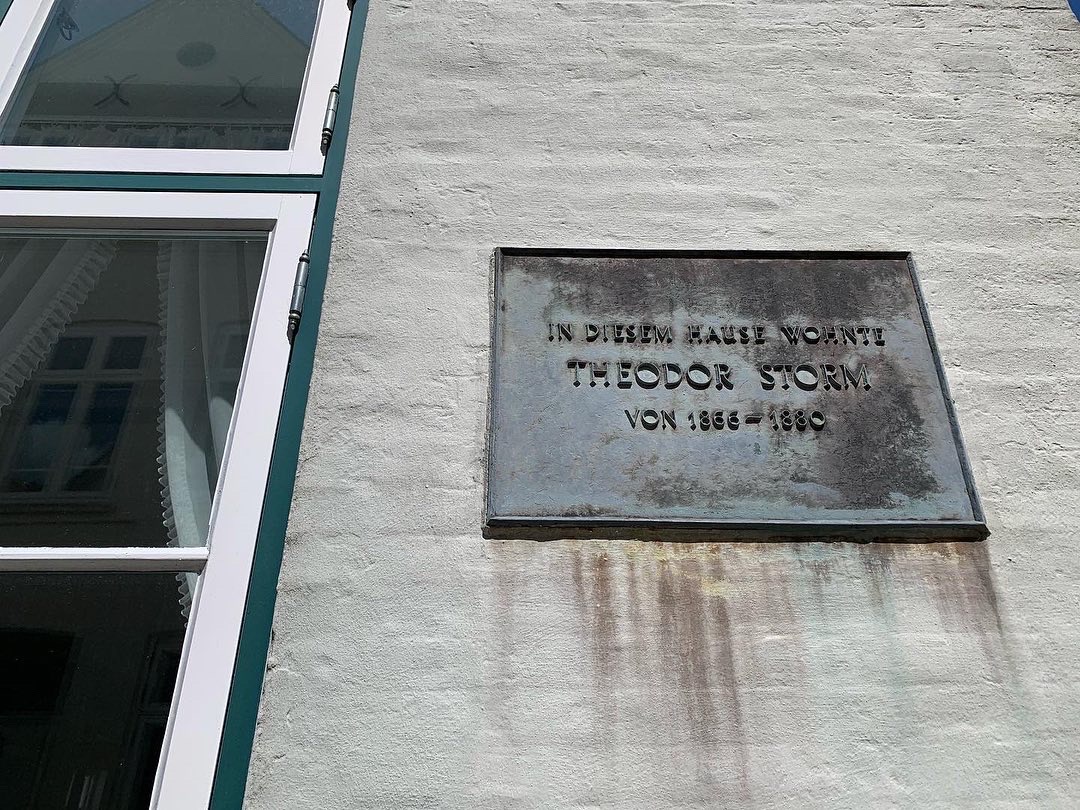
The grey town shrouded in loneliness is how Theodor Storm described #husum, the menacing sea and melancholic skies a topical constant in his works and in his heart. I see in Storm’s poetry, amidst the sunny dispositions at the centre of North Friesian “Moins,” the daunting, bittersweet relationship I share with my island home, a yearning that is mellow yet never satiated. On the strand overlooking the #nordsee, I closed both of my eyes and hear his words: “And as the pain,/wave upon wave, gently lies down to sleep,/as the last heartbeat stirs,/you fill my whole heart.”
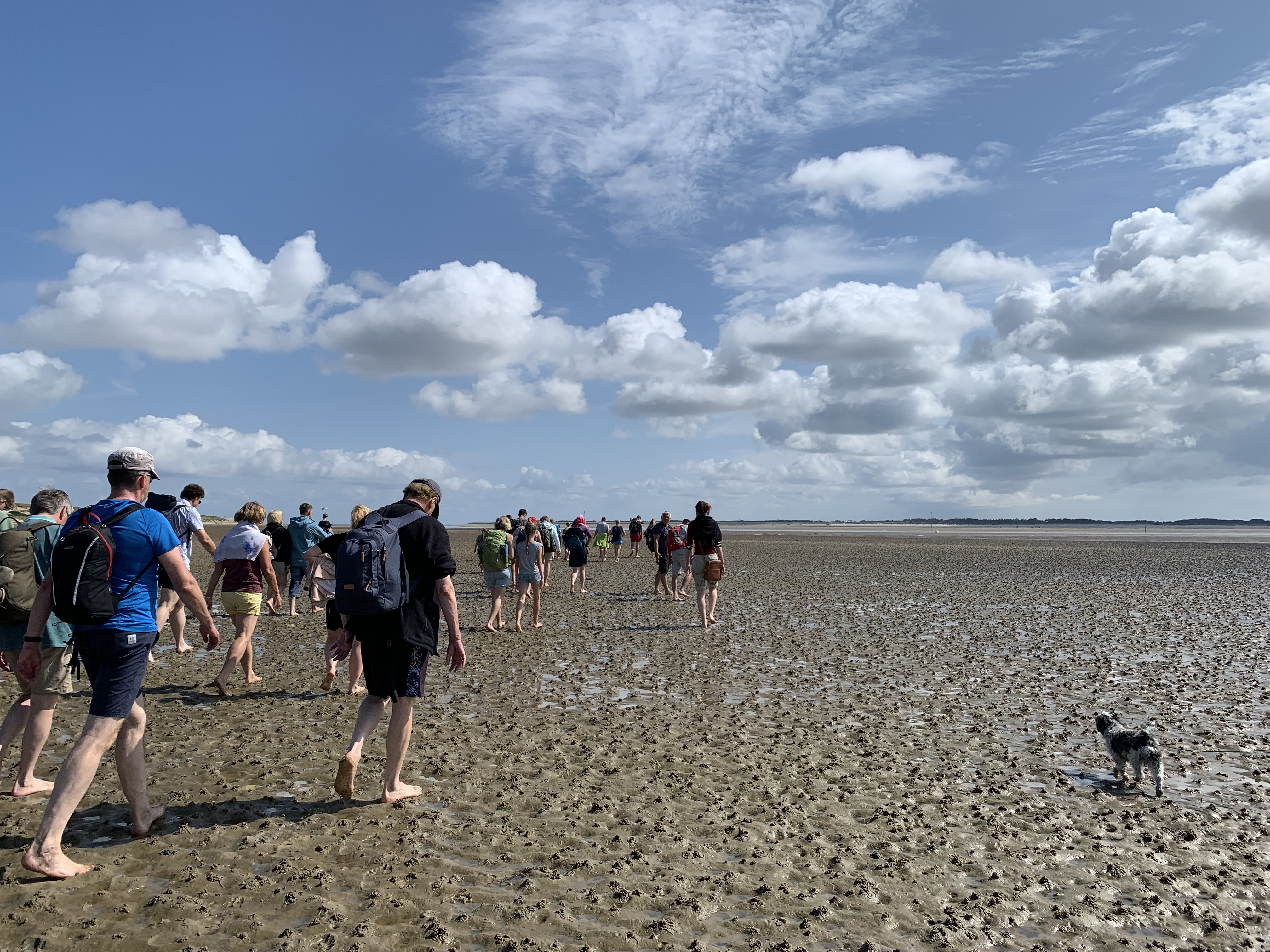
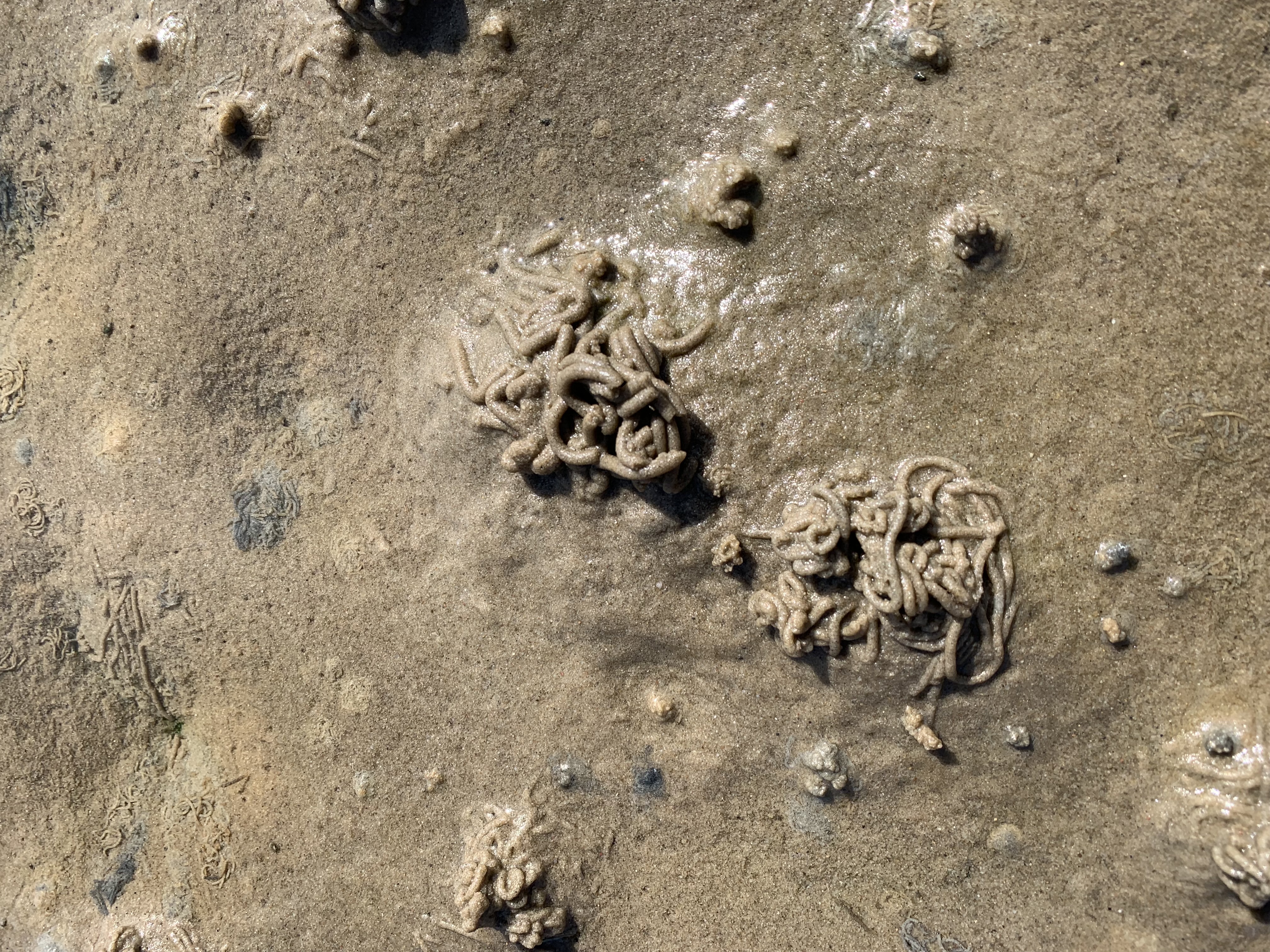
At the lowest tide, the islands of #amrum and #föhr can be reached by foot. The 8km hike is usually undertaken with an experienced guide lest the journey is mistimed and you are stranded midway with water rising all around. Andreas, our guide, jokes that mudflat tours are sometimes cancelled because of the weather but mostly because he has taken a precursory look at the group and deemed that they are incapable of finishing the hike. Bright in a yellow windbreaker, he hums old sea shanties and complains about people from Föhr. The rest of us plod gingerly around jellyfishes and shells and crabs and crab carcasses. A dad makes a joke about how the coiled castings of lugworms look like spaghetti and the son says “ew” and contorts his face. Fiona is quite some distance away. She turns back and we wave.
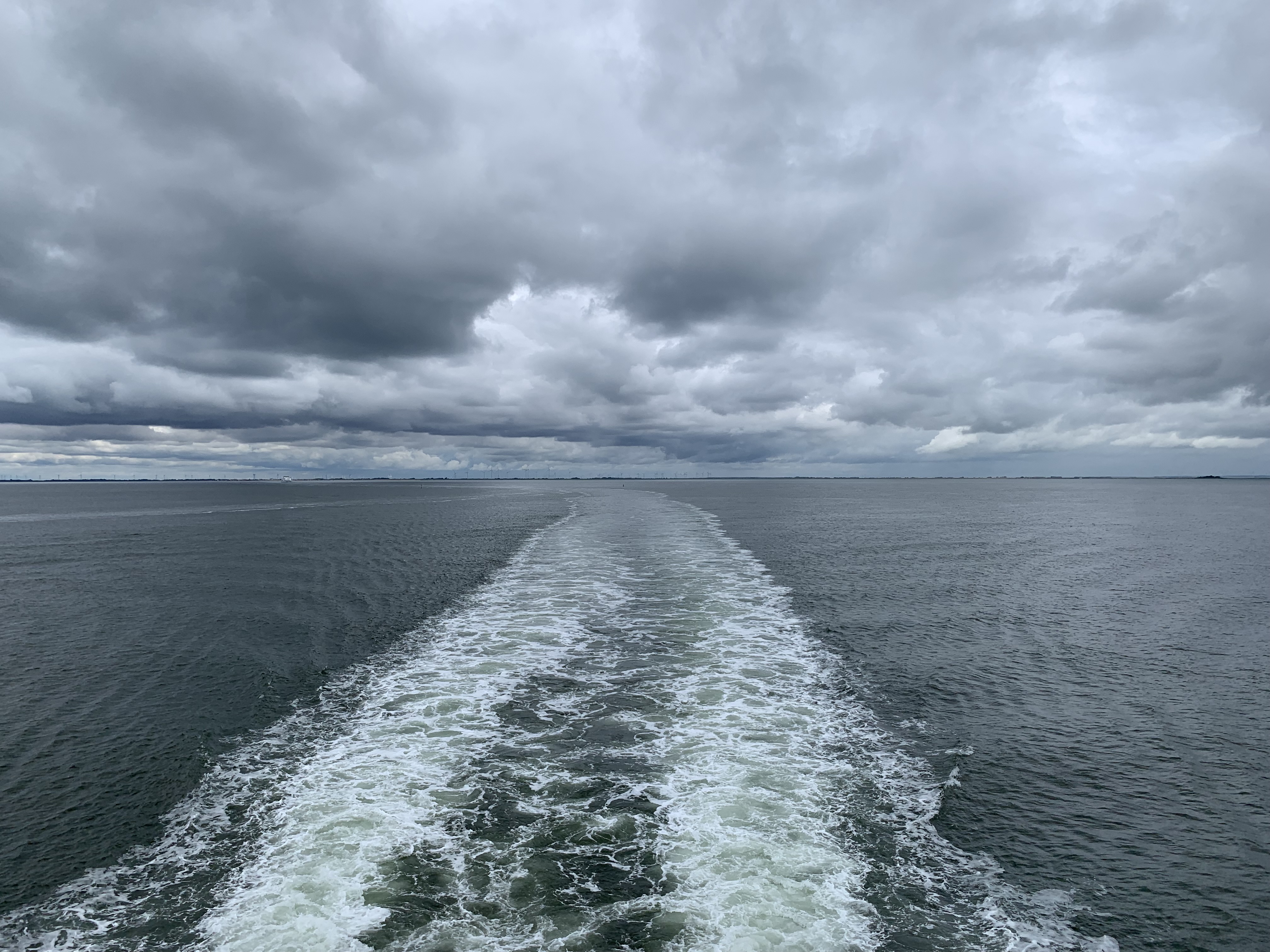
On the wooden path, kapuzen flapping in the wind. A rabbit skittles away, dust in its wake. Dark coniferous clouds, orange-lined. Nothing in sight but the end:
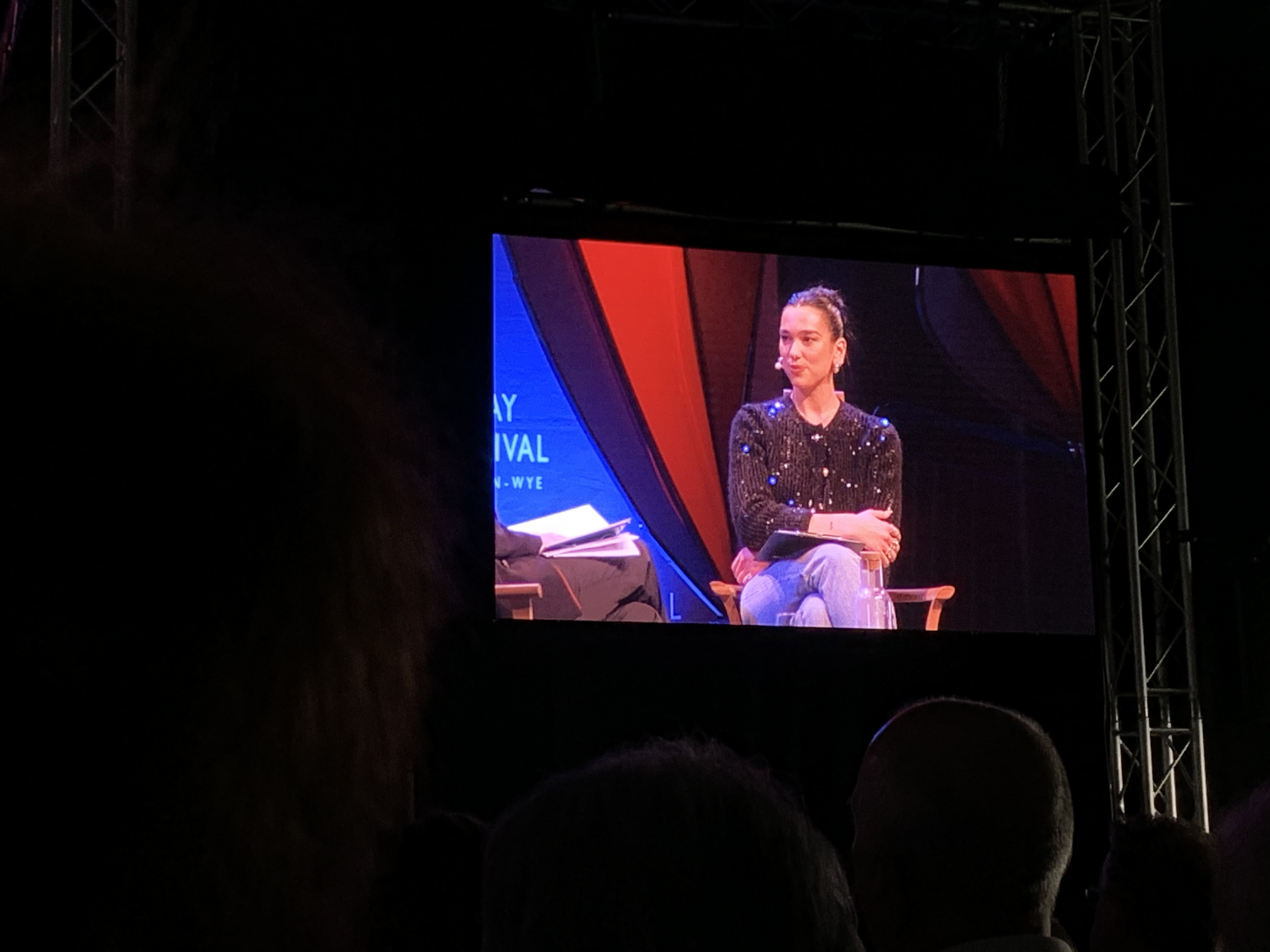
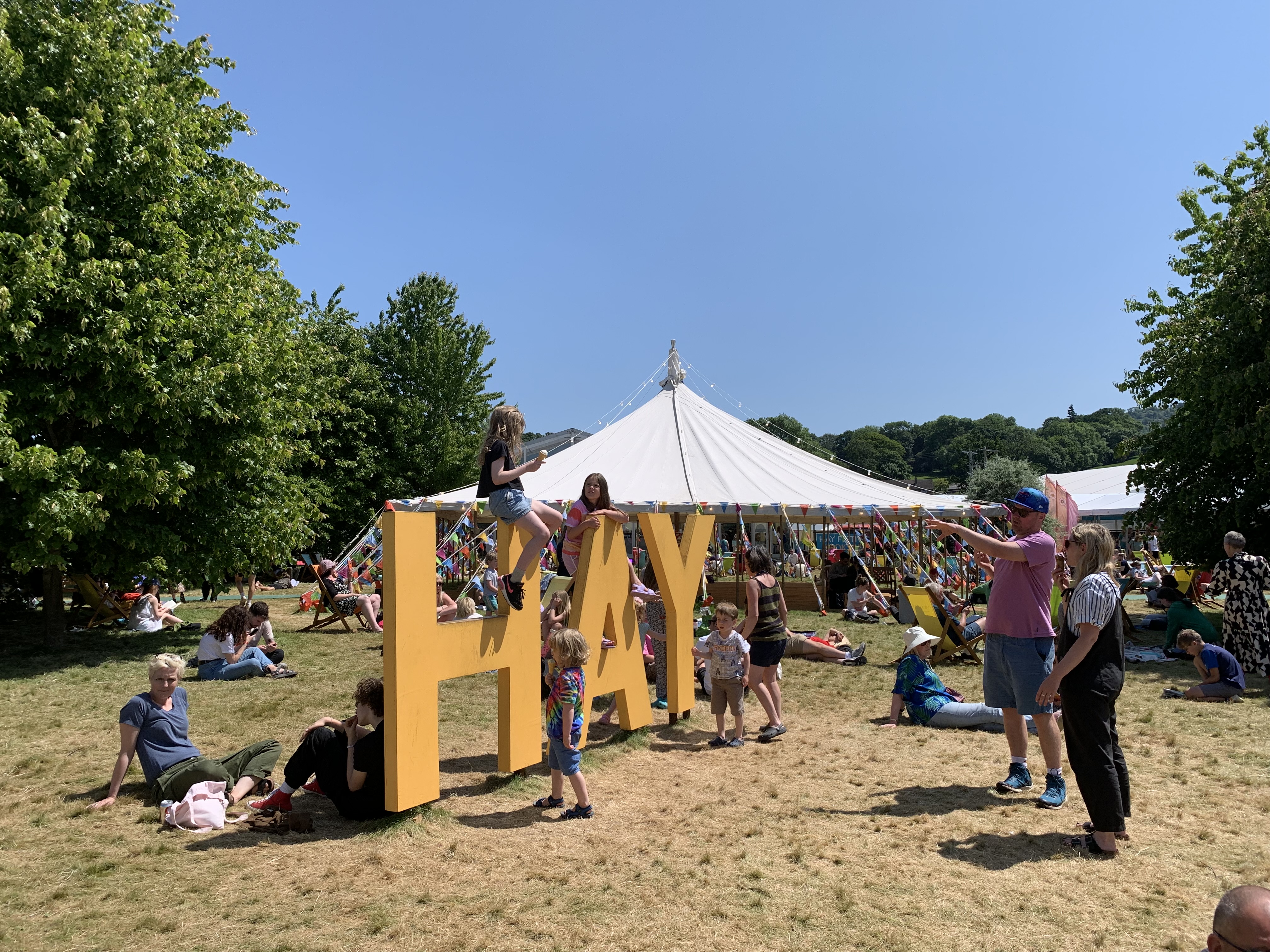
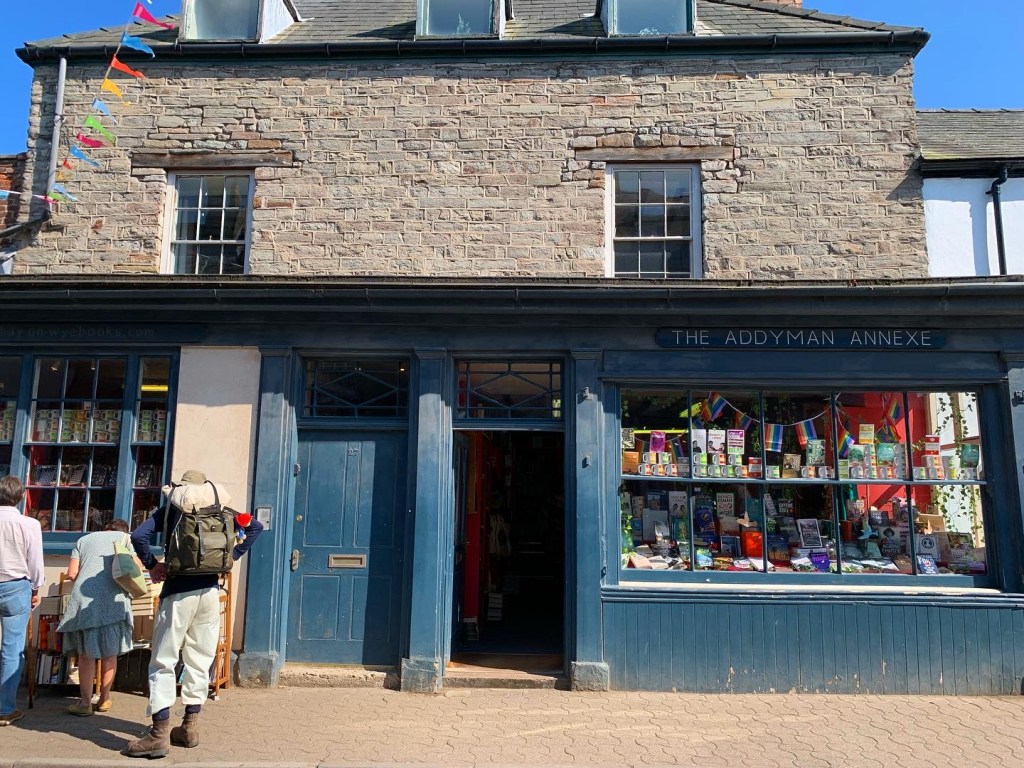
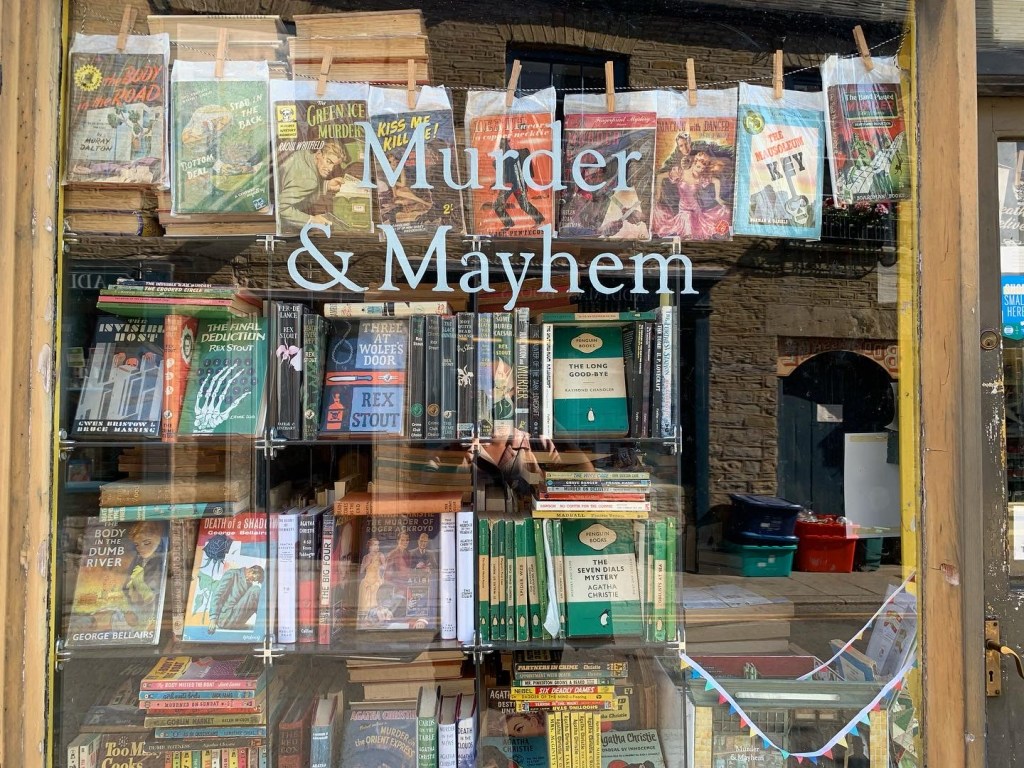
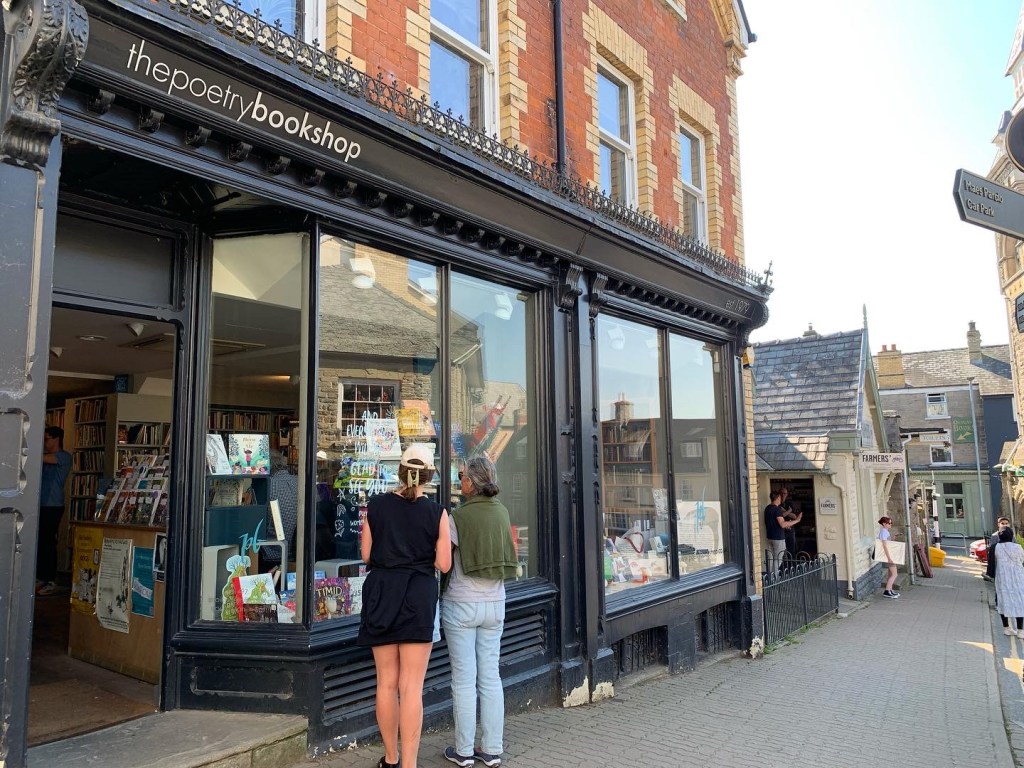
Hay-on-Wye greeted me with the smell of manure which wafted intermittently into my psoriatic nostrils as the bus careened through the Welsh countryside, Gran Turismo style. I was here for the last day of Hay Festival, tantalisingly termed by Bill Clinton as “the Woodstock of the mind.” Dubitable quotation source aside, there’s really a lot to like about Hay, a literary festival that combines the alacrity of summer camps and the finesse of interior thought: sweaty bodies meet fluid minds. Alongside tents, food stalls and lounge chairs were NGOs set up in flea market format doing donation and subscription drives: among a few, Greenpeace, theWI, Macmillan Cancer Support, and ShelterBox. People were middle class cordial – progressive and aware but also privileged to some extent. * At the Baillie Gifford Stage, Dua Lipa said that she has no plans to write a book, to the palpable dismay of the audience. But she is fully committed to her music (a new album), her podcast (“At Your Service”), and her book club (“Service95”). The interview, effortlessly and tactfully conducted by Gaby Wood (chief executive of the Booker Prize Foundation), offered an intimate insight into Dua Lipa not as global popstar, but as avid reader. It chronologically looked at various chapters of her life – moving to Kosovo, moving back to London, nascent music ventures – through literature: Malorie Blackman’s Noughts & Crosses, Jez Butterworth’s Jerusalem, Milan Kundera’s The Unbearable Lightness of Being, and Ocean Vuong’s On Earth We’re Briefly Gorgeous. It is a prime example of how when one holds up a book, one sees a part of themselves reflected on the pages. * After a satisfying keralan curry paired with a Welsh lager, I booked a 30-min massage with Jon (without the H, he insisted). Jon worked primarily on my lower back and noticed I had some issues with my shoulders. “Sitting all day in front of a screen is unnatural,” he admonished in a fatherly way. “So don’t forget to move.” With some vitality restored, I made my way back to the center of town.
While we were searching for Kierkegaard’s grave, Em asked if I already knew what I’d write on my headstone. Her question caught me by surprise, its sincerity and intensity doubled by Em’s foggy green eyes. I didn’t have an answer and so spent the rest of the afternoon morbidly scanning gravestones for inspiration, seeing in each of them, a small reflection of my own mortality. When we finally got to Kierkegaard’s grave, it was unassuming, weathered by the elements. Under his name the words of Danish clergyman Brorson were carved: “There is but little time/then I shall have won/then all the strife/will instantly have vanished/then I can rest/in petal-strewn halls/and ceaselessly to my Jesus speak.” * Though Kierkegaard was religious, he believed in the subjective truth of the divine, thus pitting him against a Christendom that was institutionalised and politicized. He was also depressed for most of his life, attributing this state to a Cartesian misalignment, “a suffering which must have its deeper basis in a misrelation between [his] mind and body.” The paradoxes of modern life did not stop him from publishing 38 completed works throughout his life, including the very influential Either/Or, a cornerstone of Western existentialism. Transcending the tyranny of binary, Kierkegaard seemed to suggest, entailed creating meaning as you pass through life: “If you marry, you will regret it; if you do not marry, you will also regret it.” Choices are not inherently wrong or right but objective artefacts imbued with subjective truth. Ultimately, even if life can be understood backwards, it can only be lived forwards (“Livet må forstås baglæns, men må leves forlæns”). * As we were leaving, we stumbled upon a pair of amorous lovers making out. I briefly wondered if their display of affection was amplified by their surroundings, if the absence of life had given a more pronounced present to the living and made them randy. I couldn’t figure out the answer to Em’s question in the end but I imagined it would be, if I choose to be buried, located either in marriage, or not.
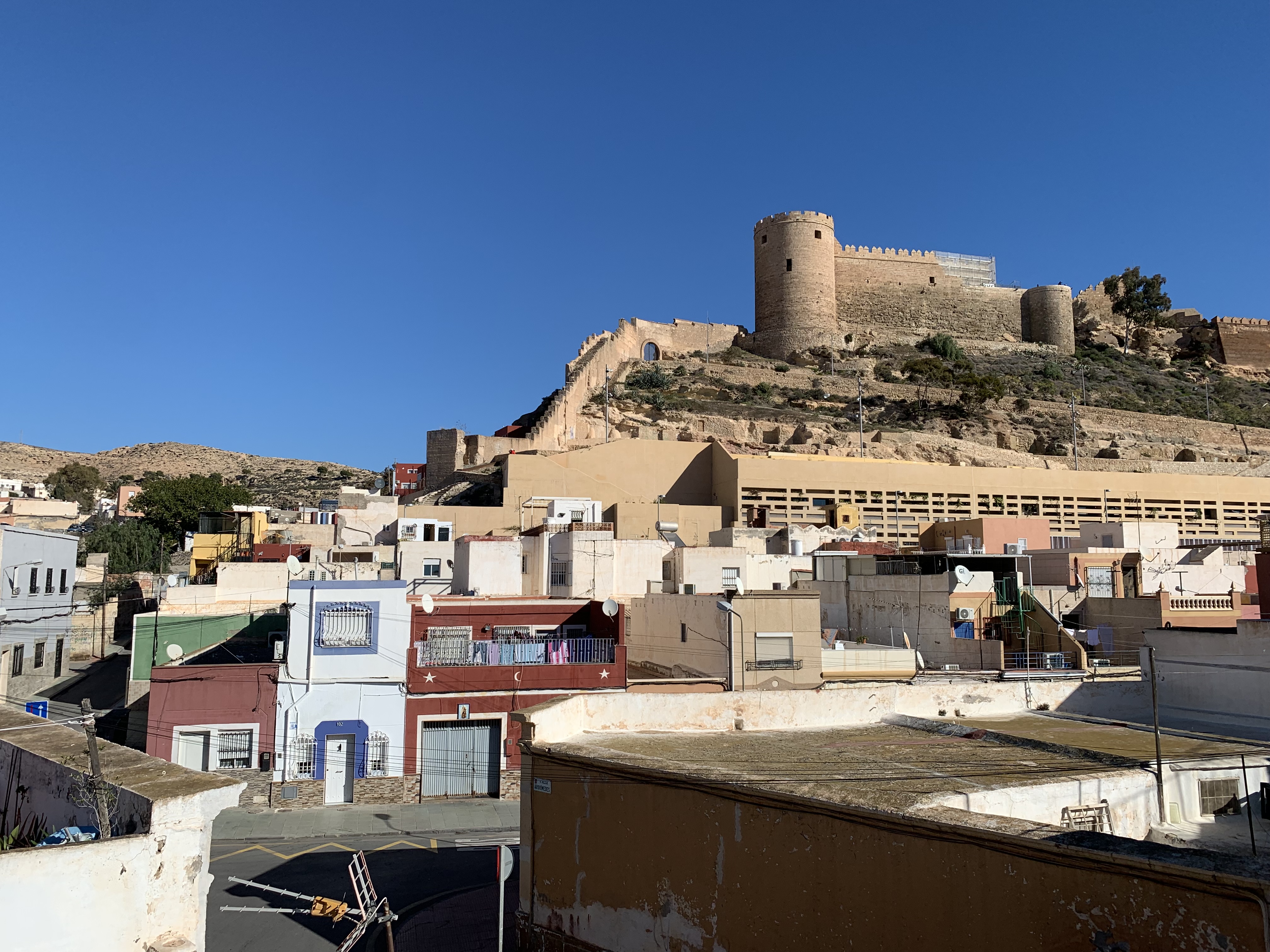
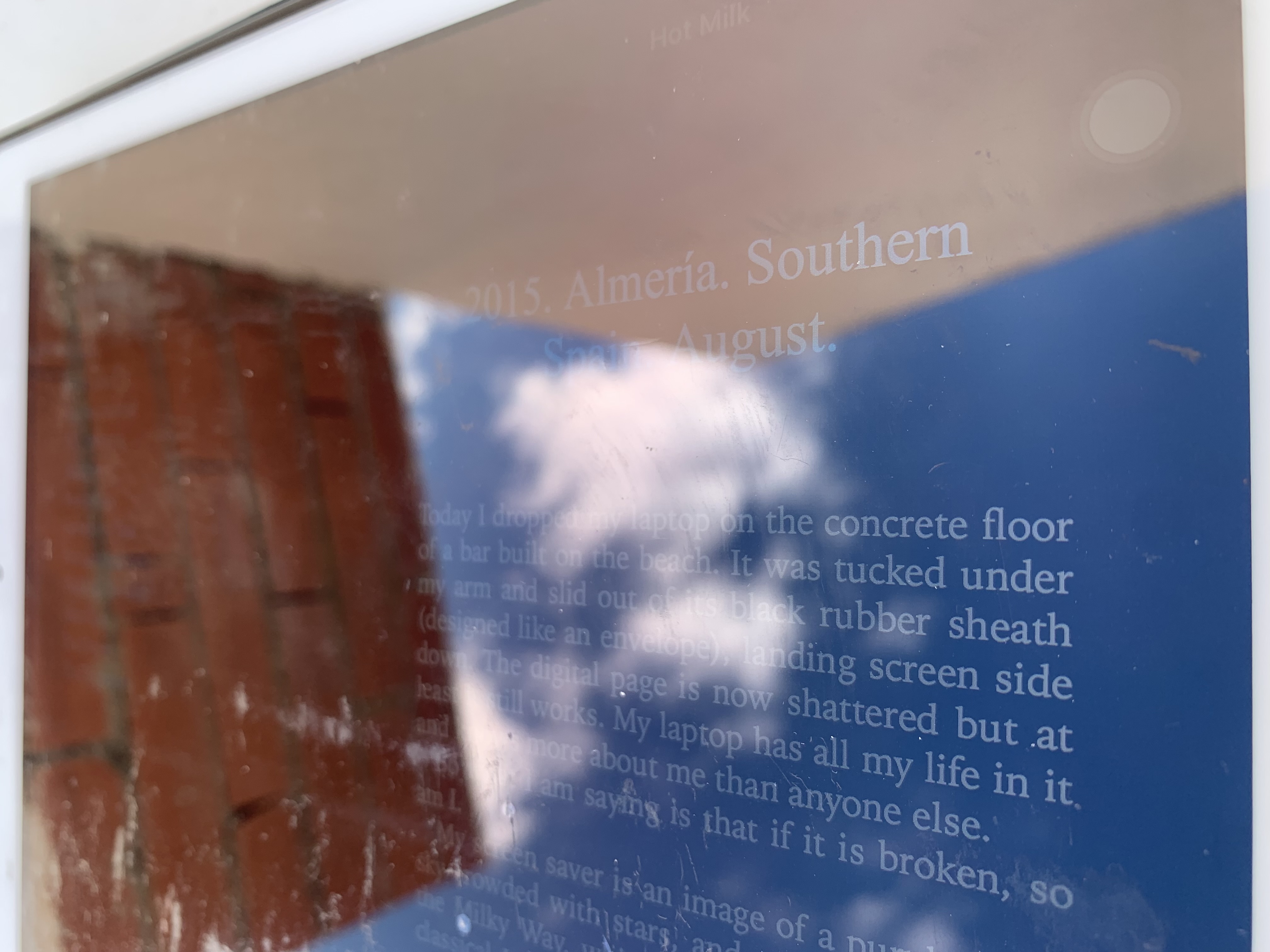
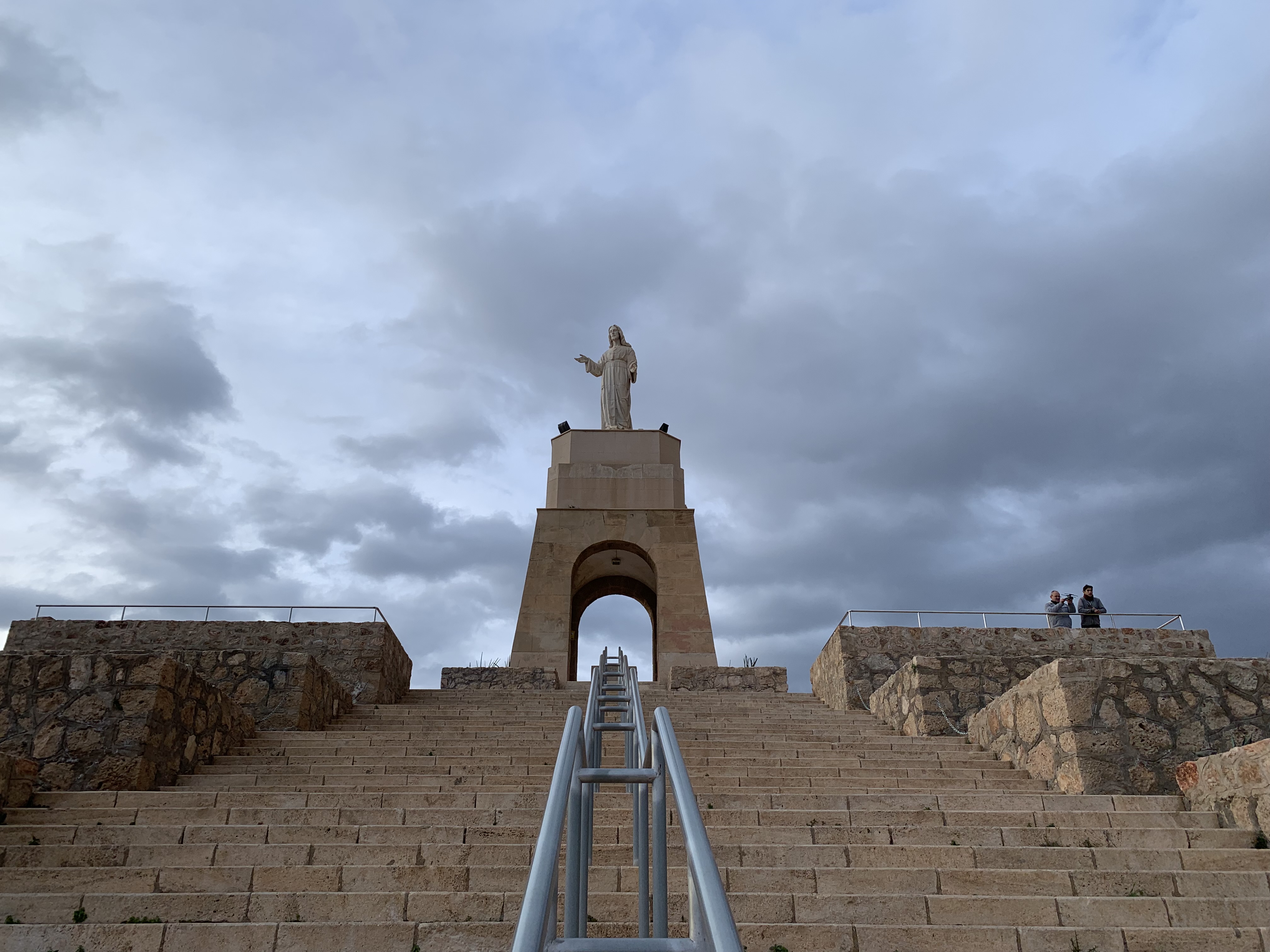
Hot Milk begins with a chapter in #almeria. It is with this book I start my day here, where I will spend the next few weeks under a blue sky that is reflected in my reading screen and the Alcazaba which casts its mournful eye over my sojourn. It is here I hope to be burdened with clarity.
"Today I dropped my laptop on the concrete floor of a bar built on the beach. It was tucked under my arm and slid out of its black rubber sheath (designed like an envelope), landing screen side down. The digital page is now shattered but at least it still works. My laptop has all my life in it and knows more about me than anyone else.
 So what I am saying is that if it is broken, so am I."
           - Deborah Levy, Hot Milk
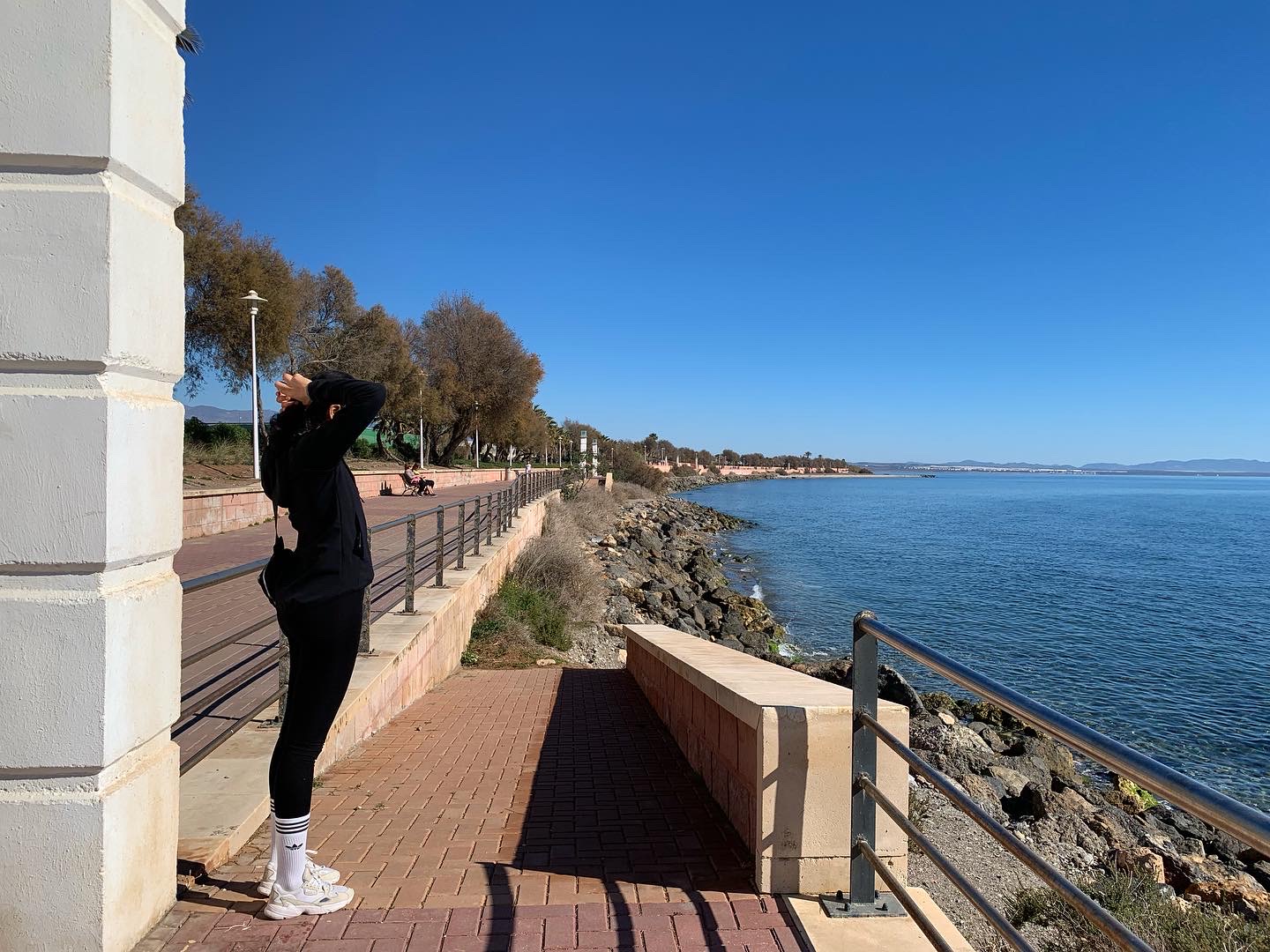
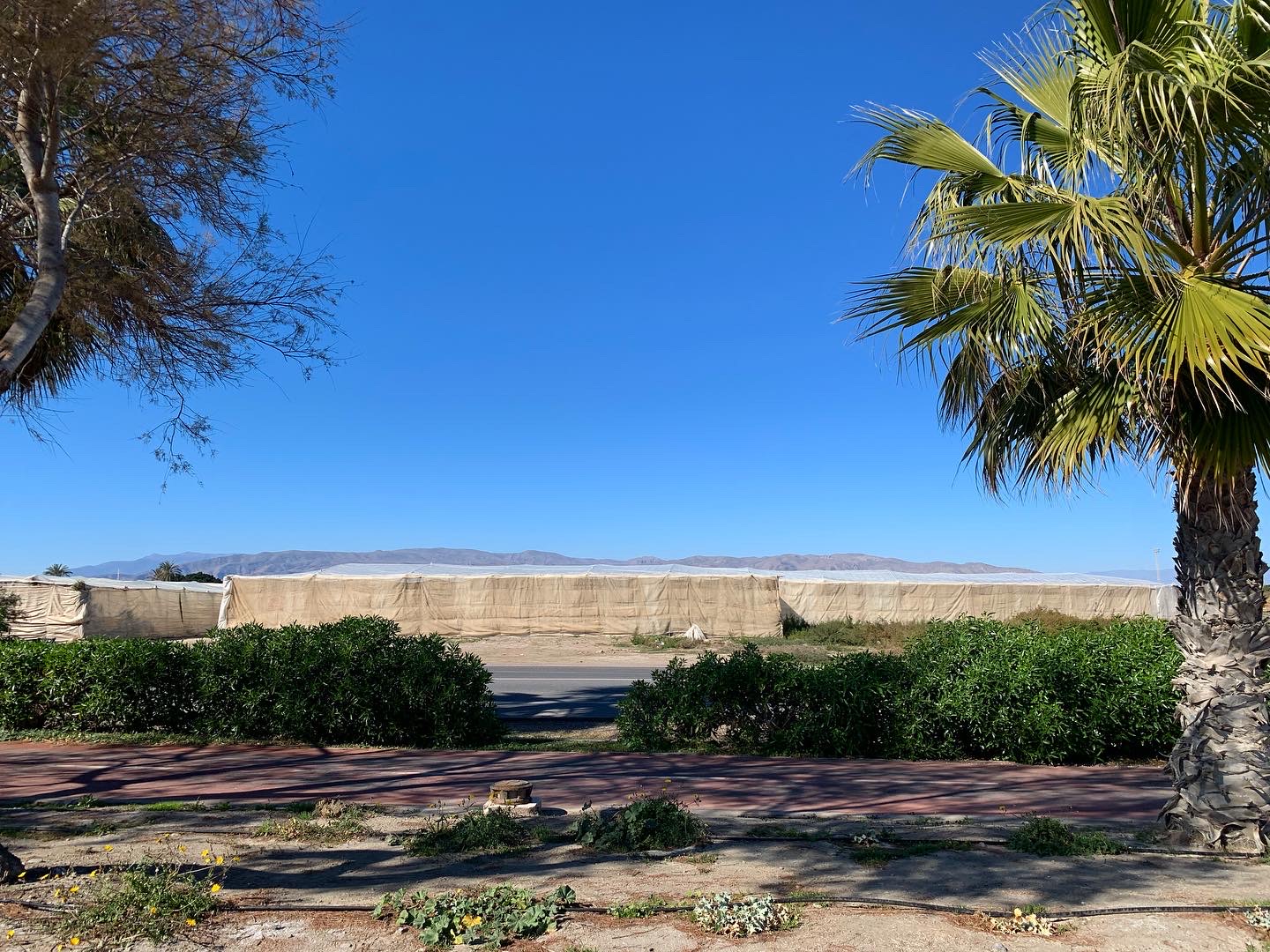
We walked to the university along Paseó Marítimo, a 6.4km stretch straddling desert and sea. On our way we saw white tarps plastered over the hills, greenhouse farms fielded by mostly underpaid North African migrants. “You’re gonna see a lot of them,” Ik said. “Agriculture is Almeria’s biggest industry. Most of Europe’s food is practically produced here.”
Every time I looked at her, Ik was always untying and tying her hair in slow, meticulous waves, mimicking the ebbing of the tides. The view, of two unrelated motions in sync, had an air of finality about it, just as the tomatoes will continue to be harvested and exported, and the workers exploited.
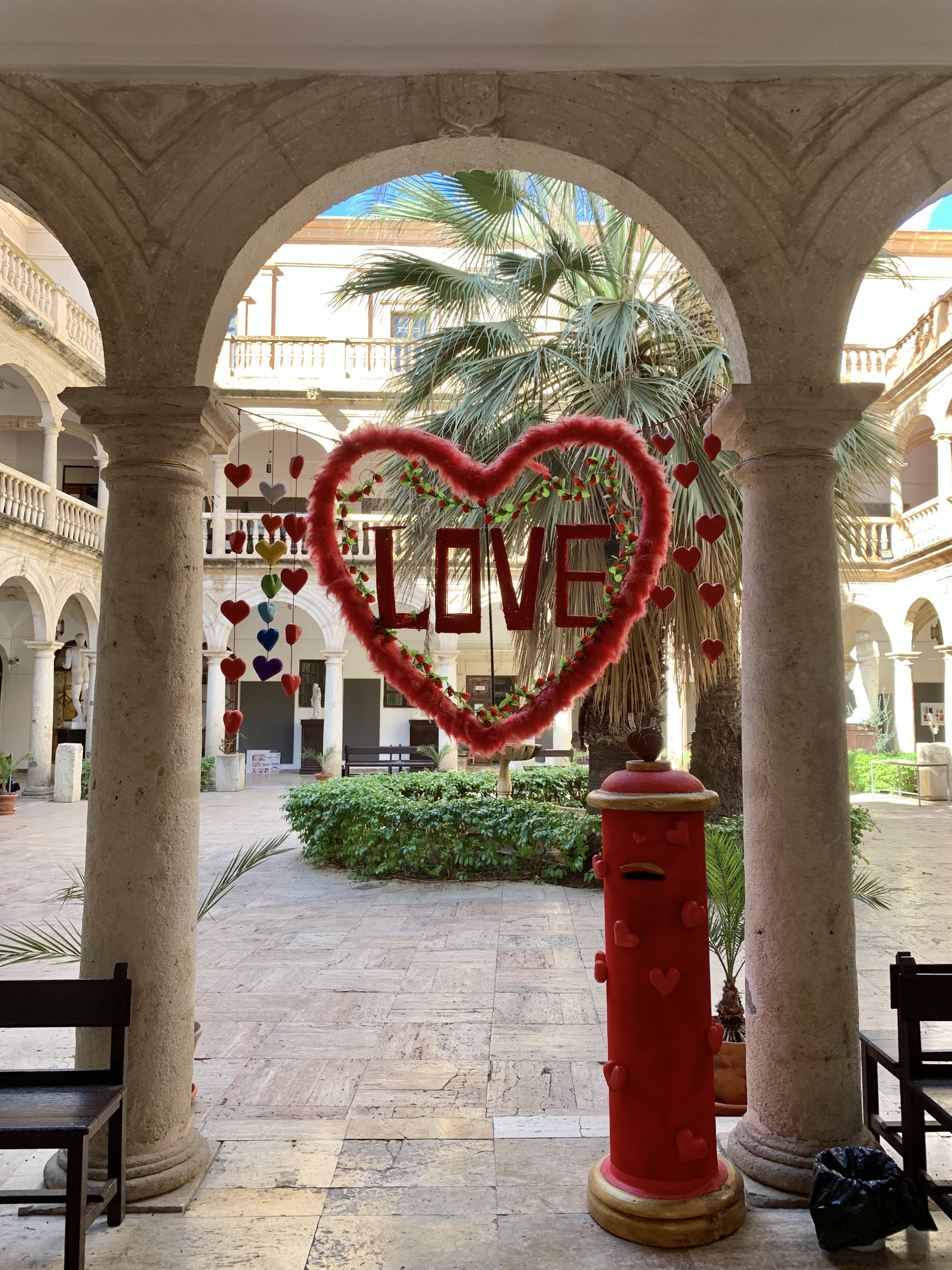
I’m thinking of love today partly because it’s Valentine’s, partly because today’s weather in Almeria is anomalously grey so I’ve been confined to an interior space, with news of global crises splayed out across B’s 65” TV like chaos incarnate and it left me wondering if heart-shaped chocolates can save us.
I’m thinking of love today because it is someone’s death anniversary, near or far, and while we are often bombarded with pictures of love being jovial and amorous, we often forget that grief is also an expression of love, and an expression we wear more often, and I’m trying to remember if it was Spanish philosopher, Miguel de Unamuno, who said that love arises out of shared suffering and compassion for others?
I’m thinking of love today because Moth taught me about penguin pebbling and gave me insights into neurodivergent ways of loving and how during our trip to a stationery store they had seen me eye a green-leathered notebook and bought it for me in secret, around the same time I had seen them marvel over a book-shaped wooden box and bought it for them in kind, after which we got coffee and headed down the Paseo to visit an Asian supermarket where I spoke Mandarin with the shopkeeper.
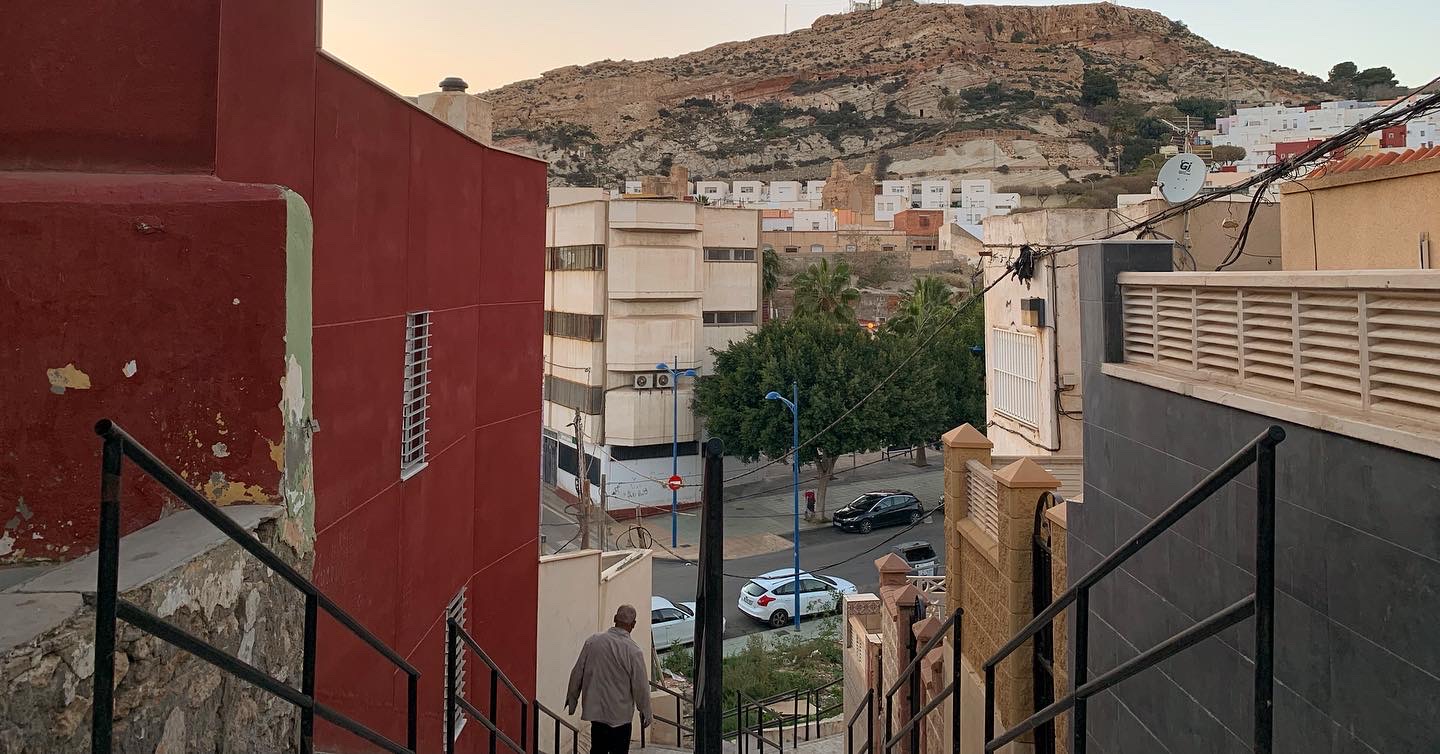
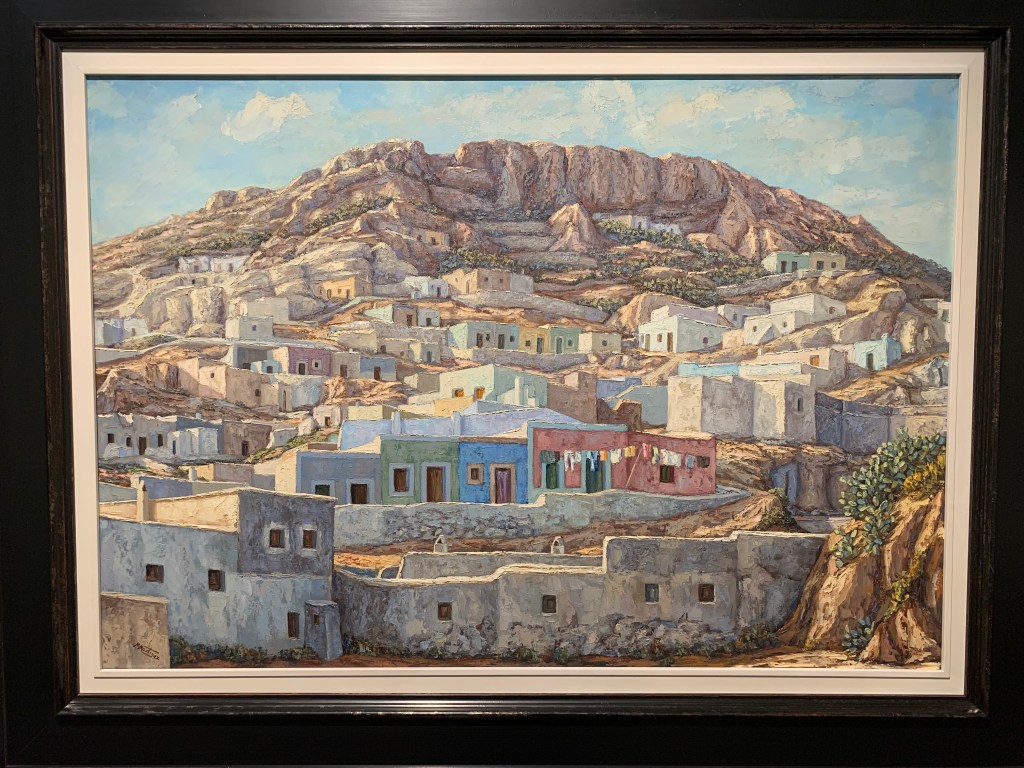
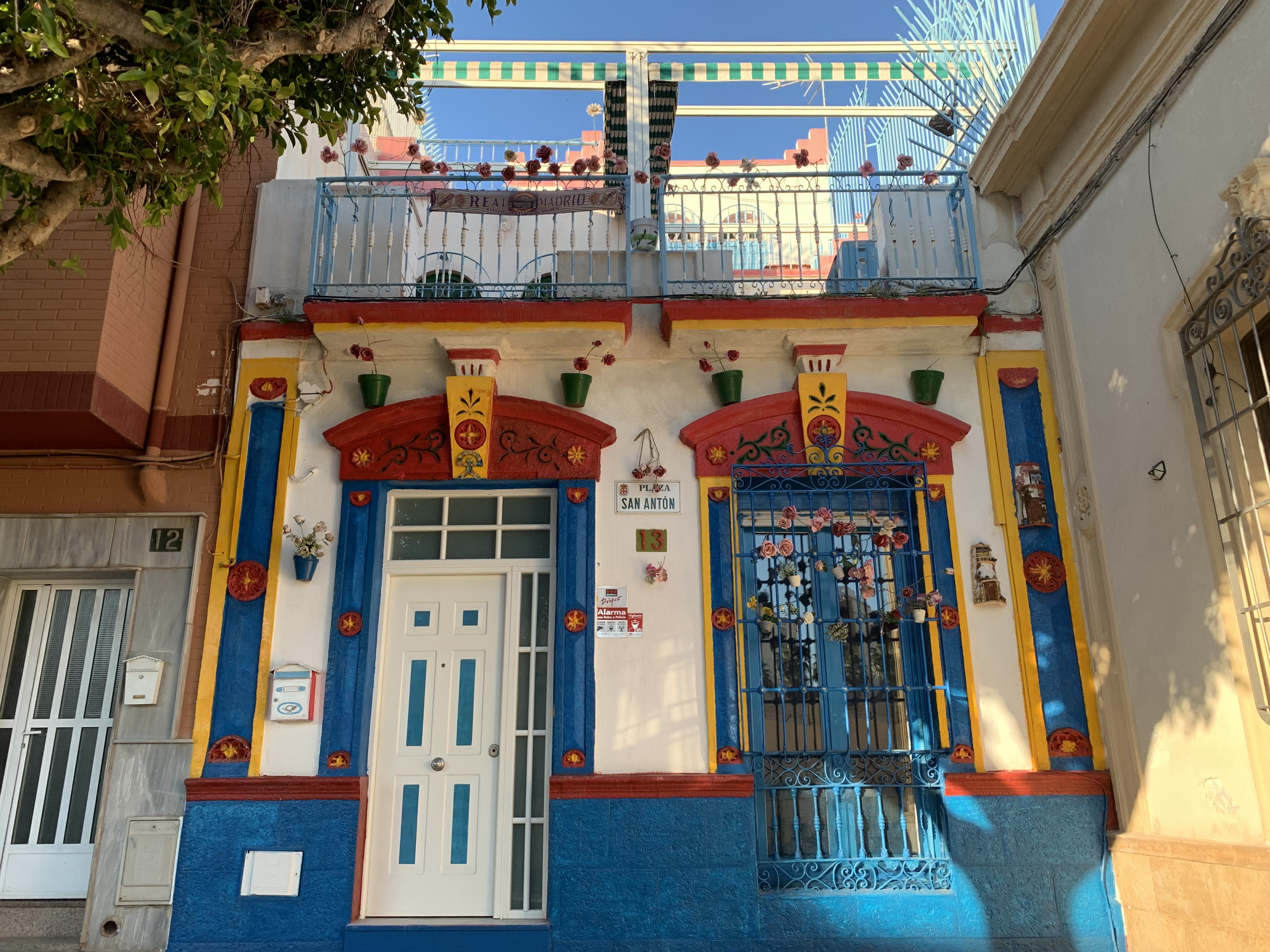
A metal walkway separates B&H’s neighbourhood from La Chanca, a commune carved out of the Colonia Morato caves, home today to fishermen, gypsies and Moroccan migrants. Its colourful facades obscure its impoverished state, its steep streets strewn with rubbish and improvised promenades, refused to be reached by city services except for a bus line that runs reluctantly through every half an hour. Yet life thrives, through various corner stores pedaling different wares, boisterous kids kicking balls about, residents under fig trees seeking refuge from the heat.
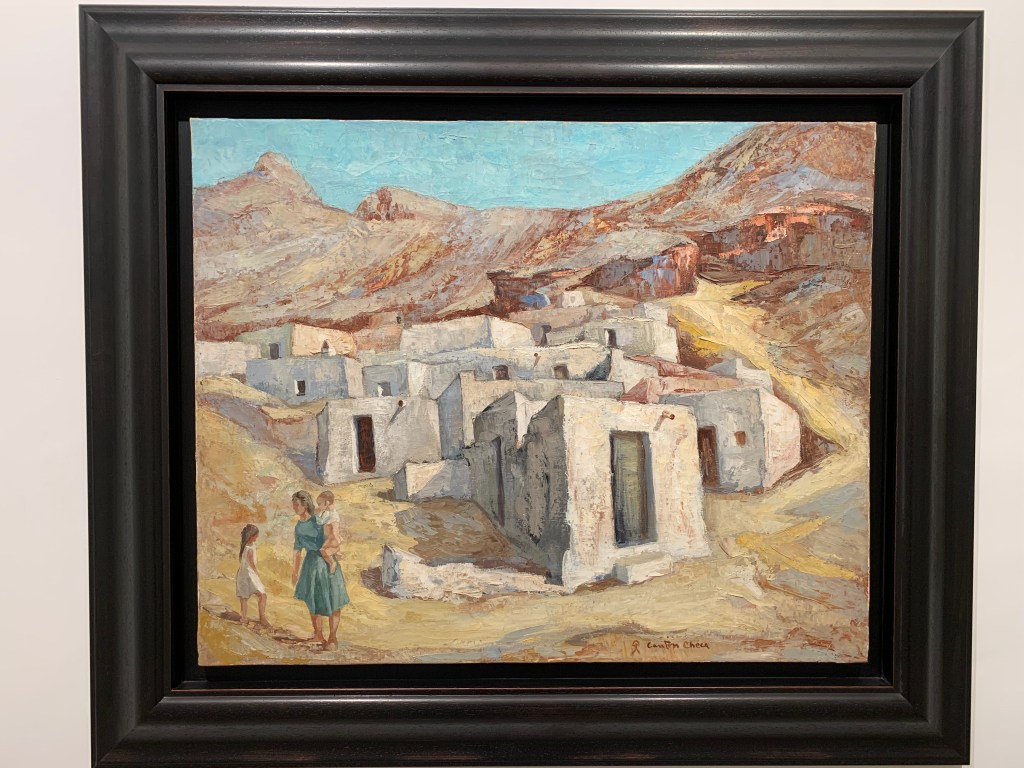
In his eponymously titled novel (1962), Juan Goytisolo marvels at La Chanca’s “[overwhelming] geological violence, the nakedness of [its] landscape…” Downtown, at the Museo de Arte Doña Pakyta, which houses a permanent exhibition for Almeriense art from the 1880s to the 1970s, La Chanca was a recurring motif. Through Goytisolo’s words, I can see why La Chanca has captured artistic imagination across the ages: the sublimity of its hazardous beauty, the resilience of the people who call the hills home, like sprouting mushrooms at the end of the world.
Miguel Cantón Checa (Almeria, 1928 – 2004)
Chanca
1965. Óleo sobre lienzo / Oil on canvas
Miguel Martinez Gómez (Almeria, 1920 – 2003)
Belén Almeriense (La Chanca)
Circa 1980. Óleo sobre lienzo / Oil on canvas
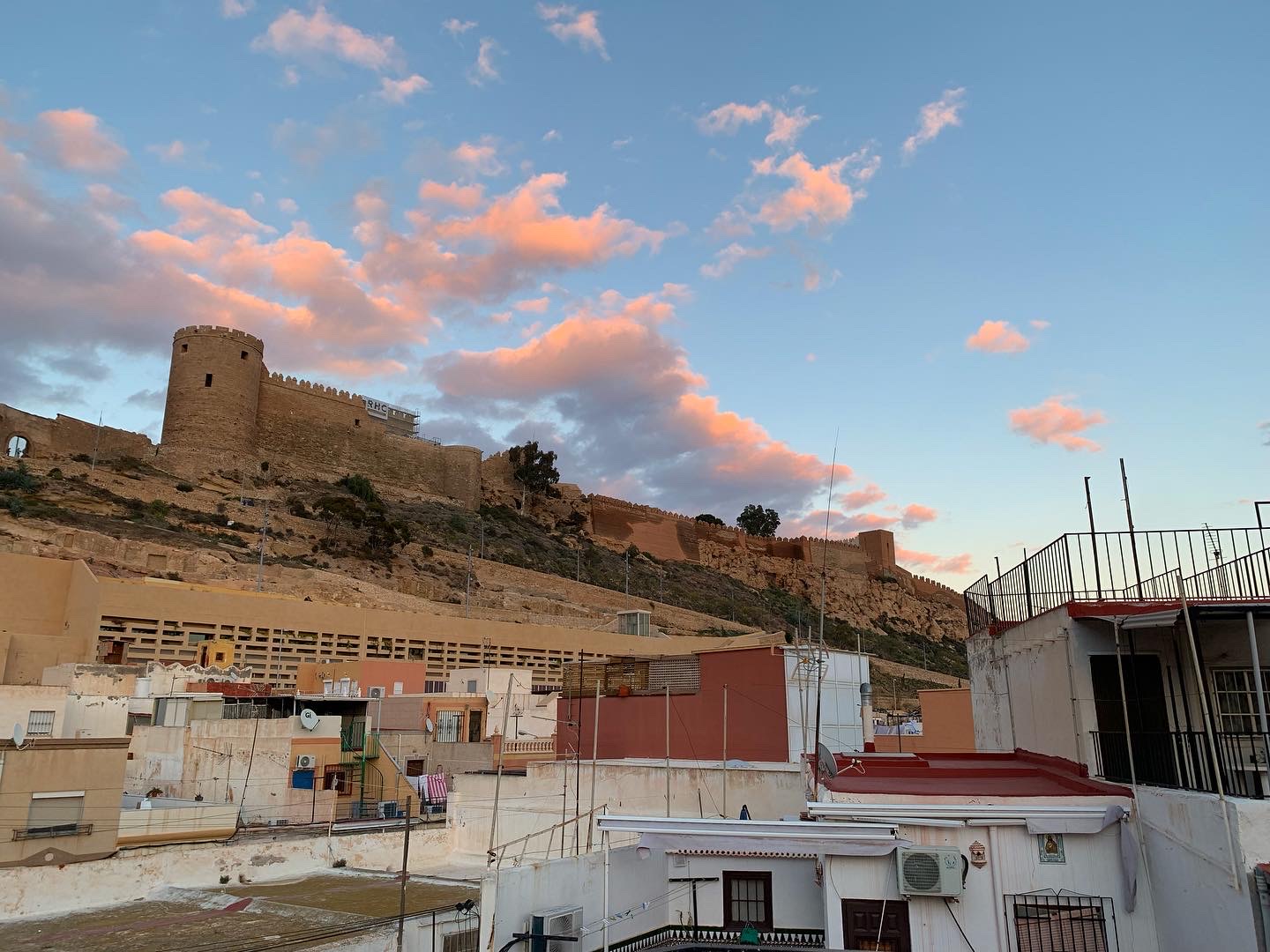
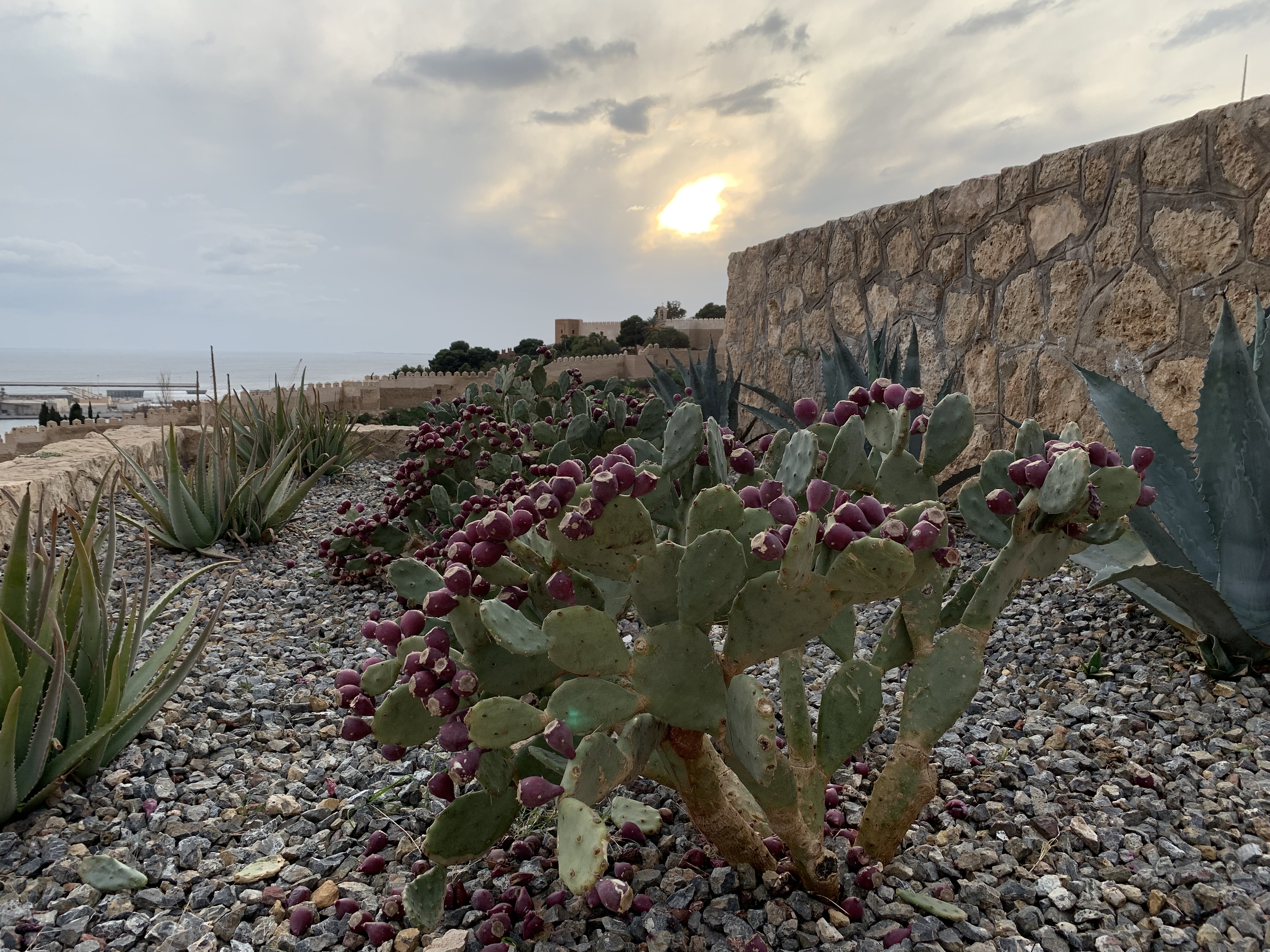
Around 6pm, the murmurations begin, over the port which is visible from B&H’s sunroof. On the other side of the roof the Alcazaba stands. Every day, it faces the rocky hills from which its walls are made, a moody child separated from its natural environment: dignified on a clear day, solemn in grey. Today, the sky is dusted pink.
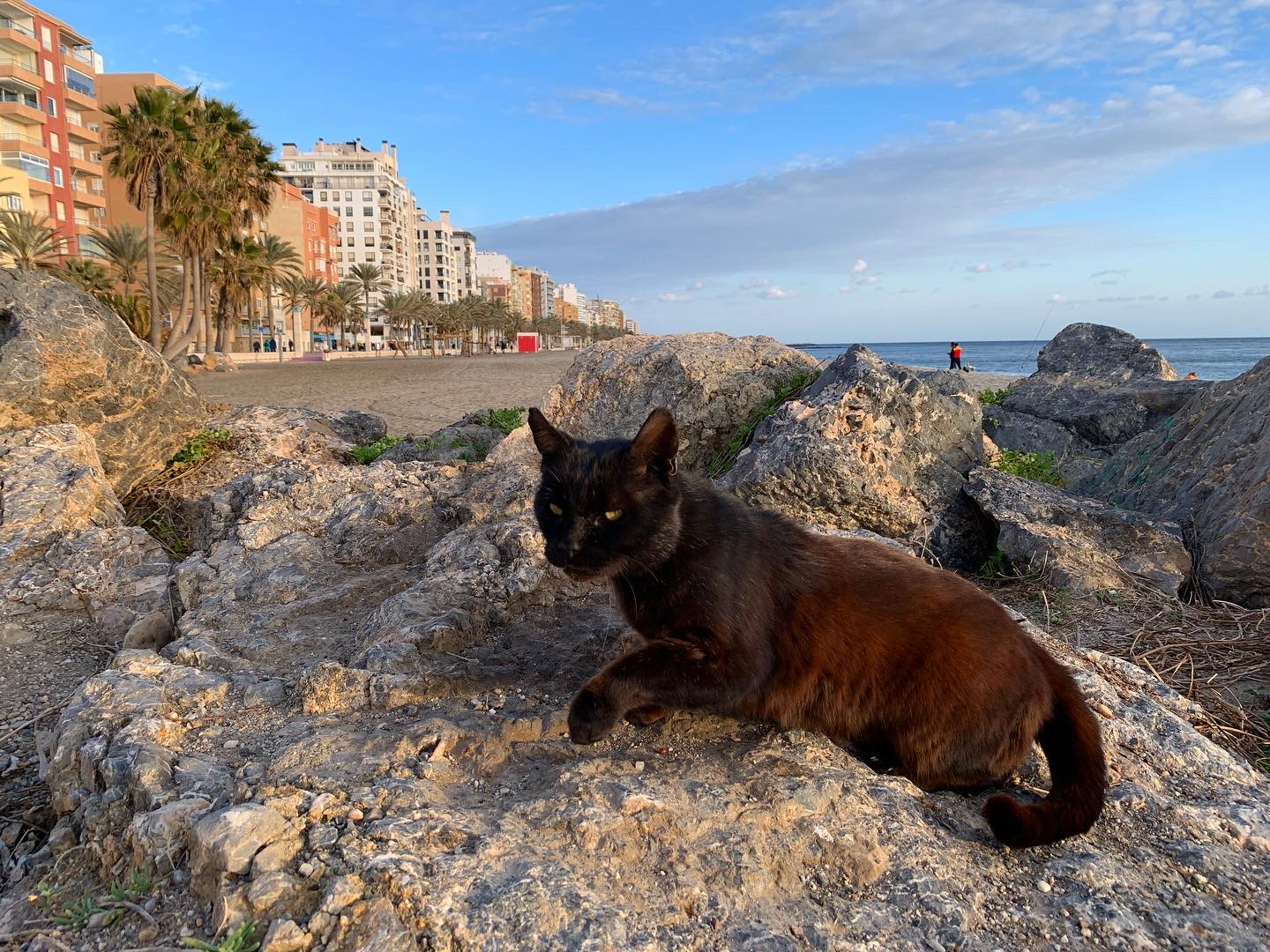
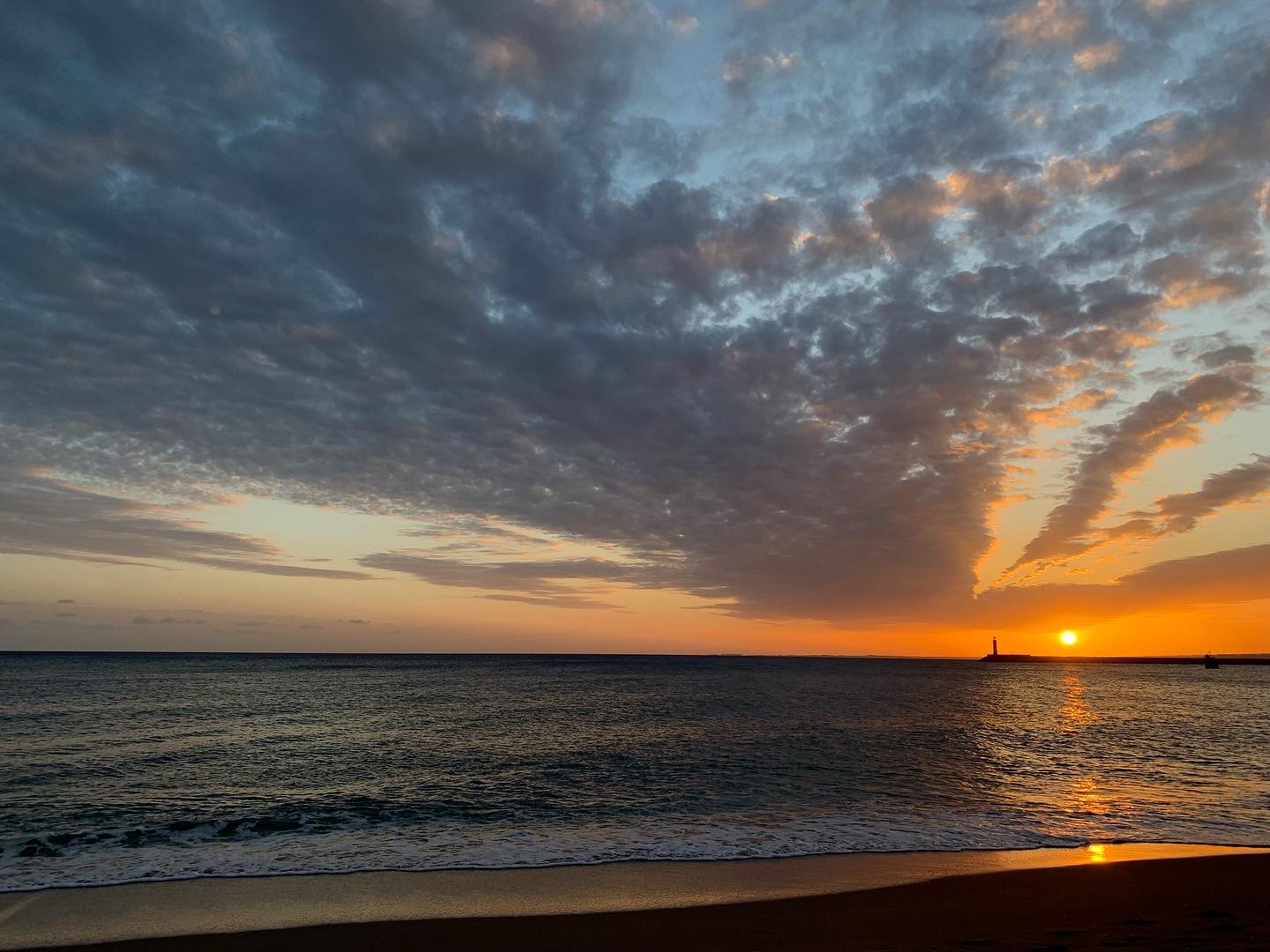
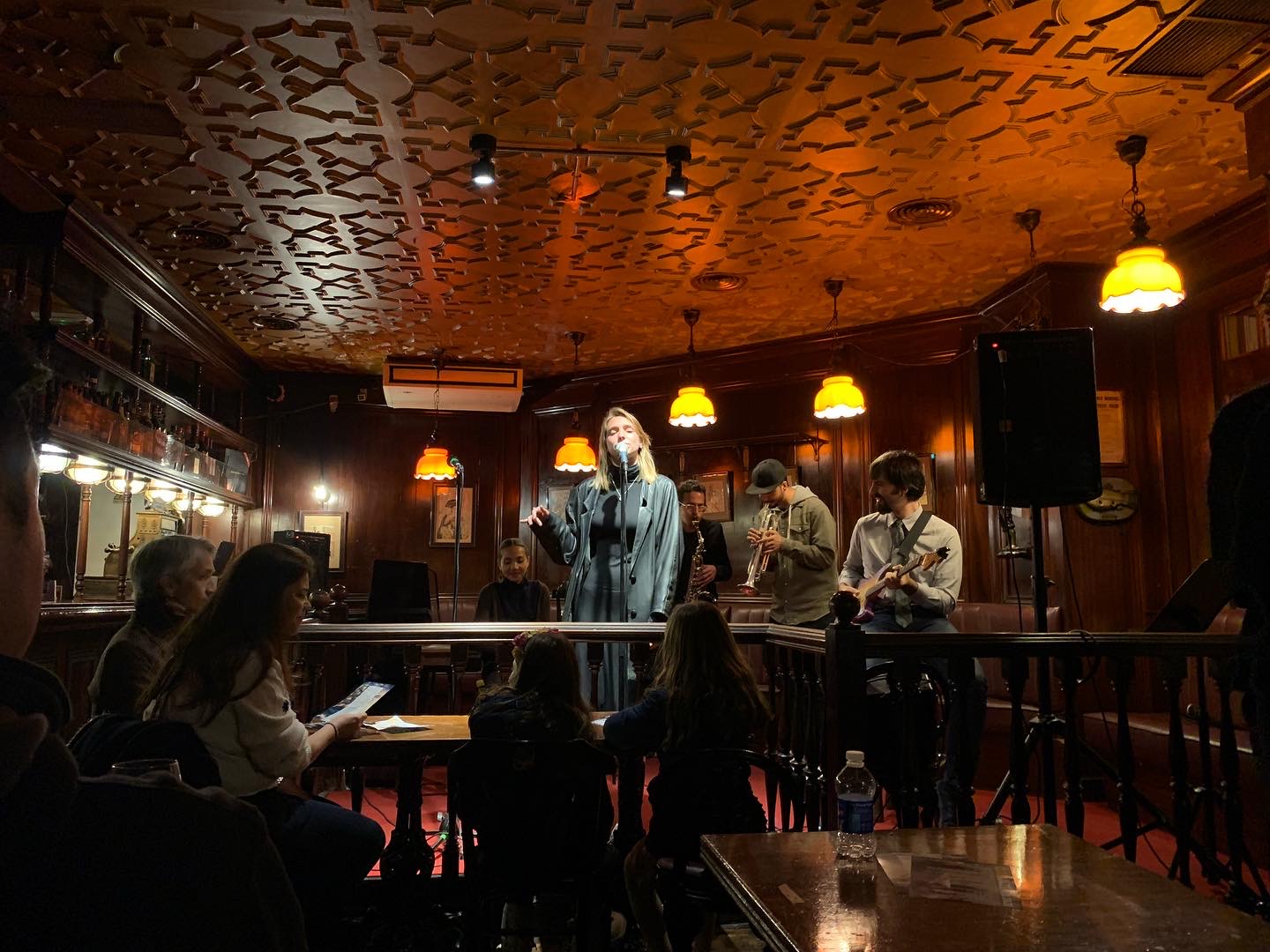
I have not quite decided on what to do with my evening but I already know I will make the 20-minute walk to the beach where horse-cat will greet me with its hoarse meow and the sun will take its time to set, like an overdramatic actor exaggerating their exit scene. When it is finally dark and the streets slowly fill up with expectations, I will make my journey back, past the Moroccan teahouses on quaint alleys, past the jazz bar mounted with a Big Mouth Billy Bass, past gossiping neighbours seated on big plastic chairs. I will open the front door to the smell of homemade tortillas and watch a horror movie over vermouth and crunchy noises. I will remember that notions of home are like sea tides, cascading layers of waters gently beating the sand into formlessness.










 Chan Wai Charles Wong