All Life Long

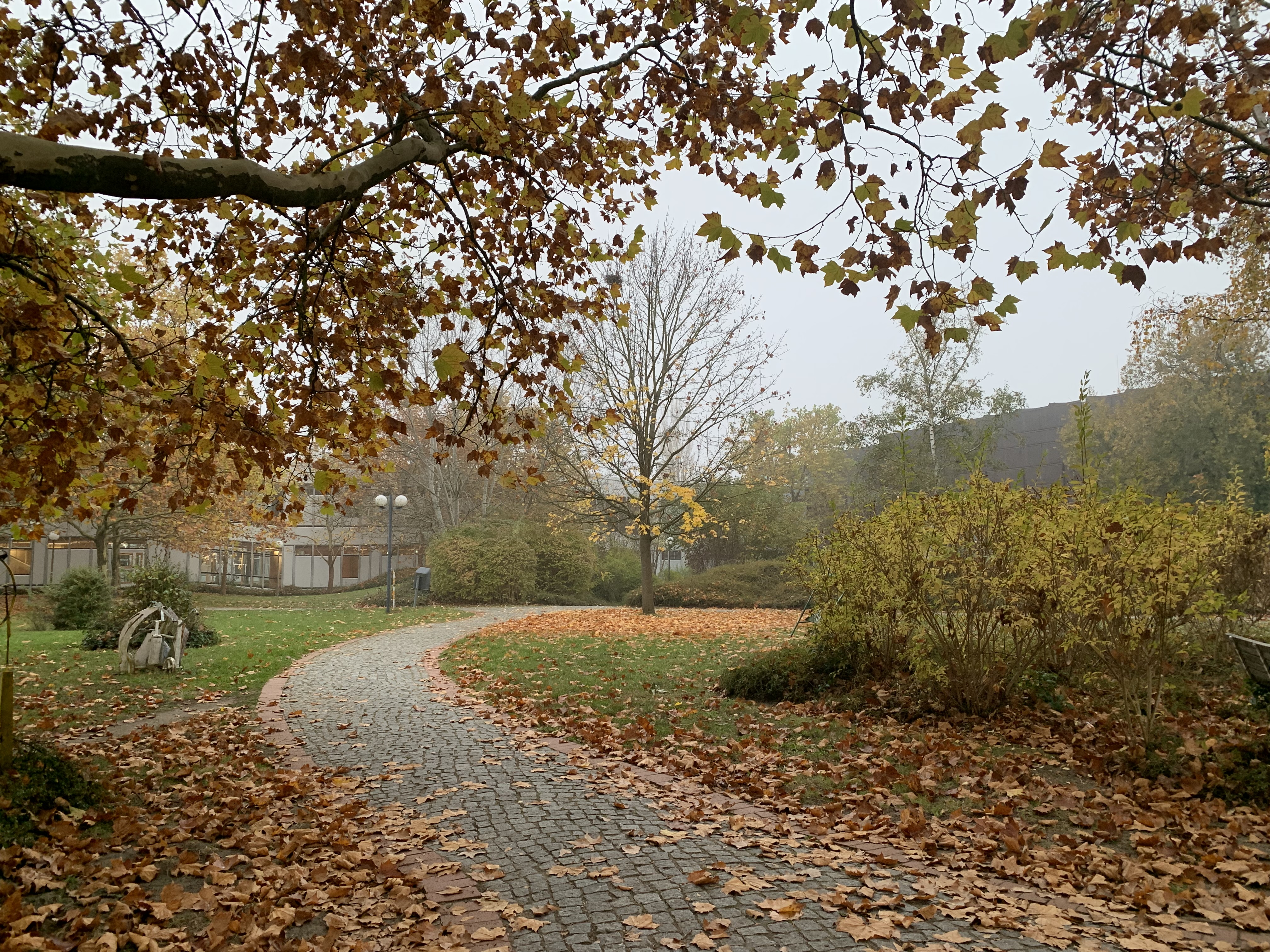
A thin fog descended as I was emerging out of the station at Dahlem, adding a veil to a day that had already attained a darker tenor from Trump’s reelection, a topic which later too coloured most of my conversation with my doctoral supervisor, who was coincidentally, supervising my project about boring apocalypses. What would the world look like when it ends? In fire and brimstone? Or a mundane descent into darkness? These scenarios clouded my head on my way back to the station as I dug my hands deep into my jacket pockets to brace myself against a sudden gale of air that portended an extra cold and gloomy winter.

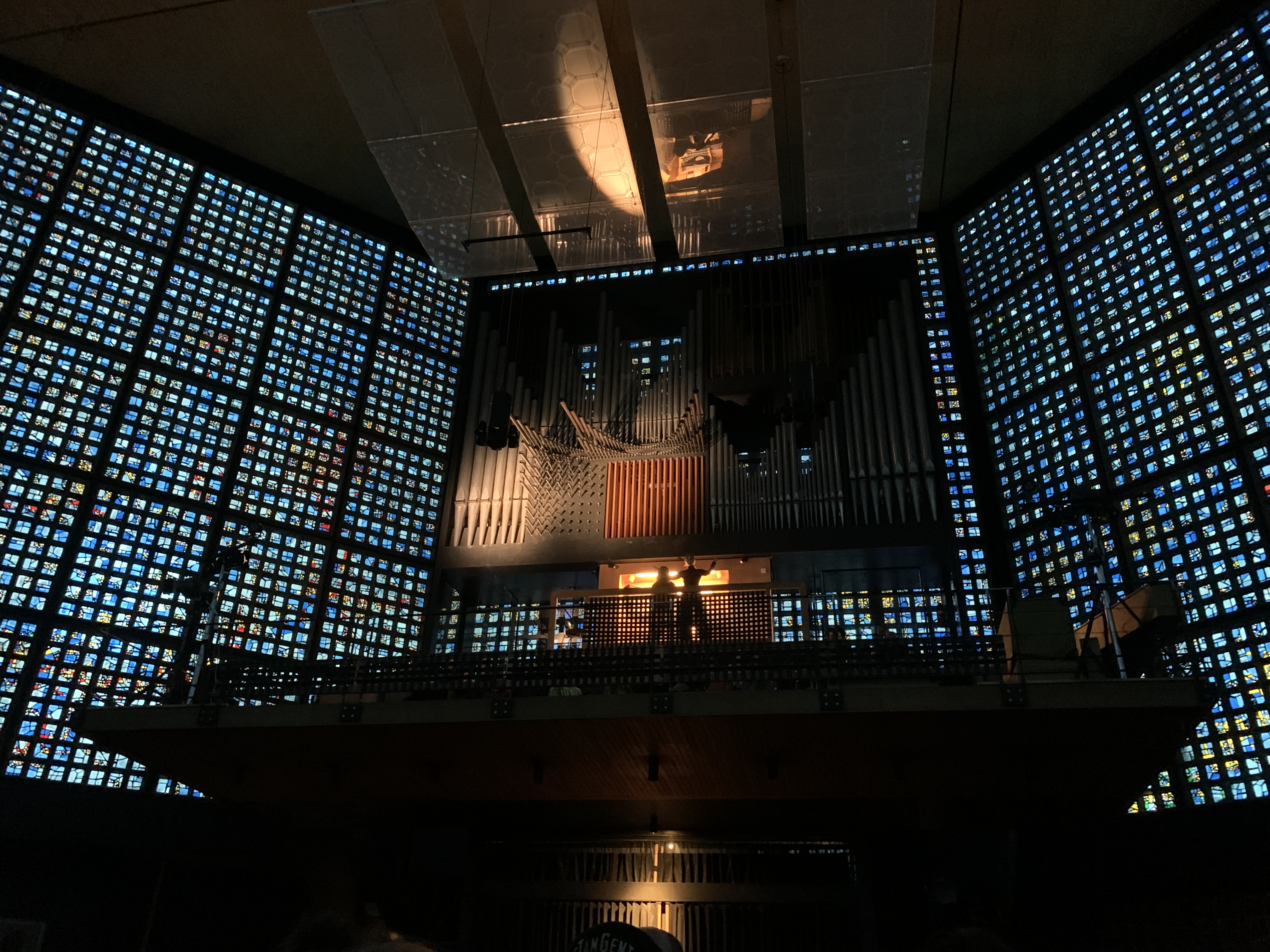
Later in the evening, on the hallowed ground where the Kaiser Wilhelm Memorial Church stood, it was perhaps fitting then that Kali Malone’s concert prolonged my considerations of doomsday’s advent. There were to be no revelations from her extended organ chords, no angel heralds or Christ-like saviours. The music droned on mournfully, almost endlessly, one long note leading to the next, between silence, hushed murmurs, a cough or two. For an instance, I couldn’t tell if these were the voices from the church or from her music, the hypnotic collapse of dichotomies, between the sacred and the profane, between the apocalyptic and the ordinary, a mere constant of the human condition. In the cycle of repetitions, I was suddenly reminded of Beckett’s plays and his adage that there is “better hope deferred, than none.”
Ghostly Kisses

My compendium of sleepless nights is mostly febrile, drenched in wiki-dumpster diving and inchoate thoughts, relieved only by brief moments of clarity. In one such moment last year I discovered the music of Ghostly Kisses, named after a line in William Faulkner’s poem, Une ballade des dames perdues: “And brush my lips with little ghostly kisses.” The debut album – Heaven, Wait – was my entry point, waxing and waning between heavy synth beats and stripped-down classical arrangements to aestheticise the themes of transition and rebirth, written about reflecting on difficult times from a more grounded present. “Heartbeat” for instance captures the insecurities of young love; “Carry Me” looks at the people lost along the way.
/
I couldn’t sleep tonight. Margaux’s ethereal voice continued to hang softly in the air long after the concert ended. But as dawn broke, I sensed the trees shiver with the anticipation of spring.

Echoes

Heat and humidity conspired to wake me up at 3am, where lying on my sweat-soaked sheets as a thunderstorm lurked outside made me feel like I was lying on my bed not in Berlin but in Singapore. The maudlin meteorological conditions, coupled with the recent passing of the summer solstice, gave me a sudden urge to cocoon myself under my duvet with a book and some tea while music played softly in the backdrop and the room smelt faintly of burned sandalwood.

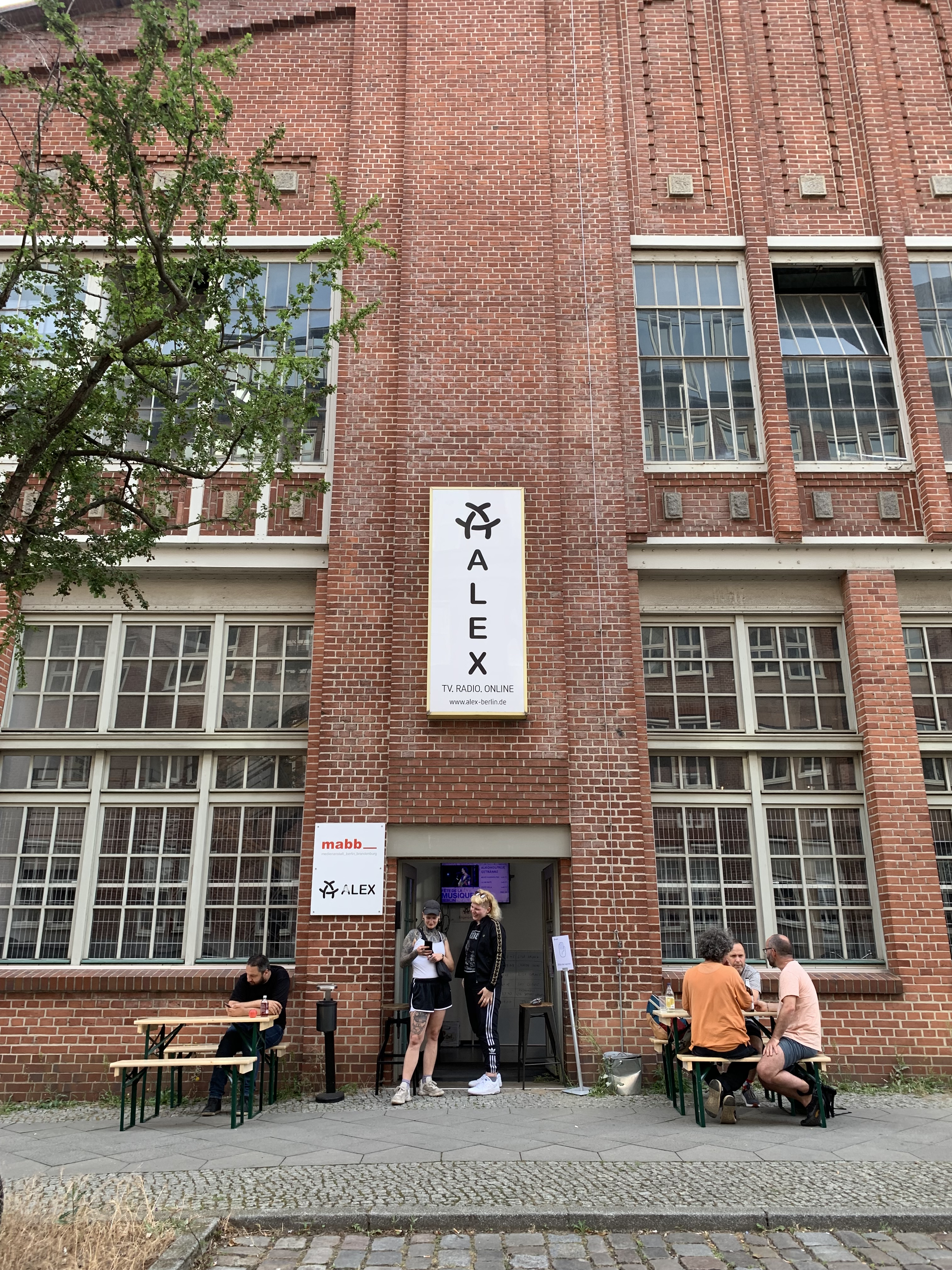
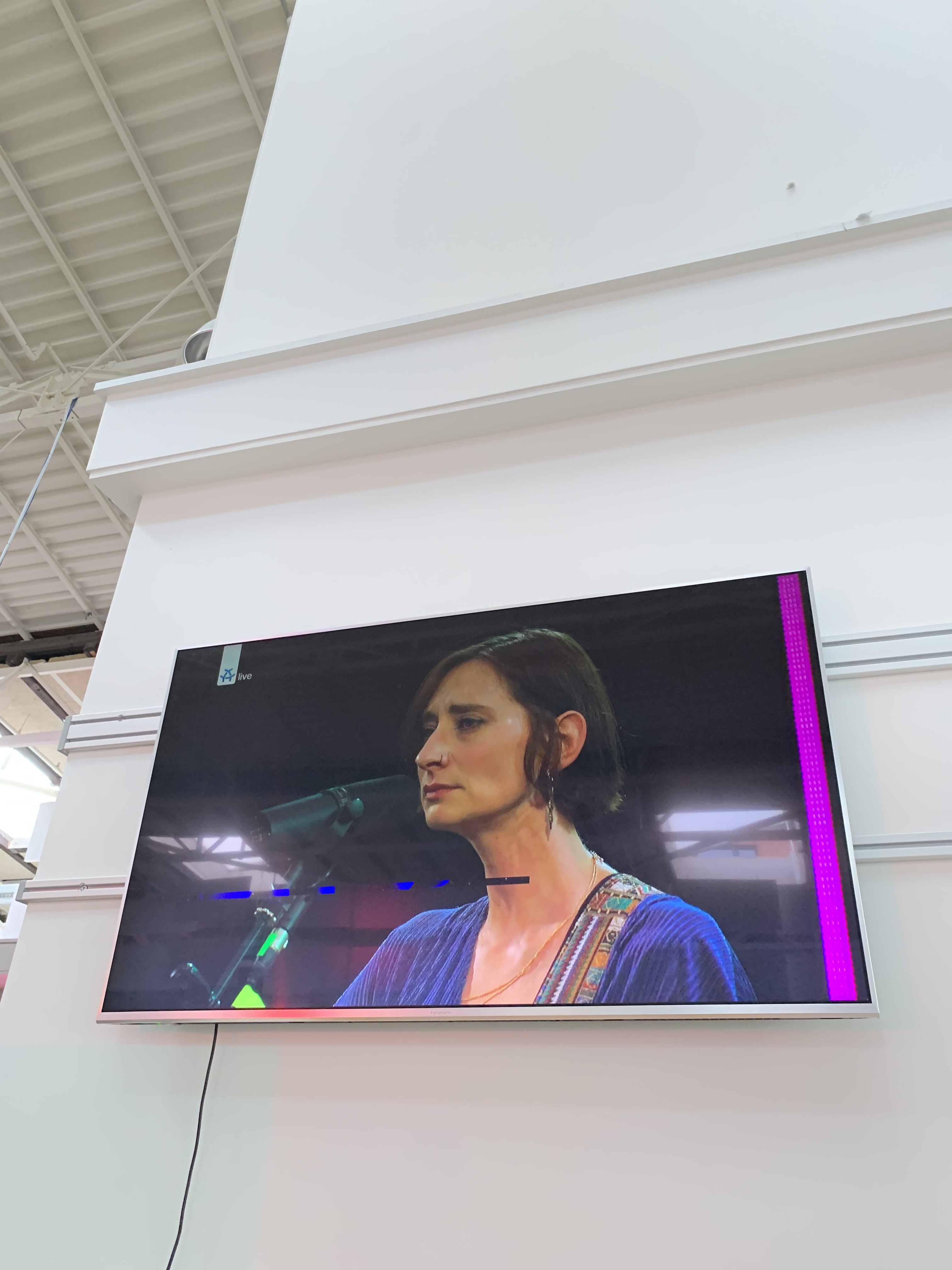
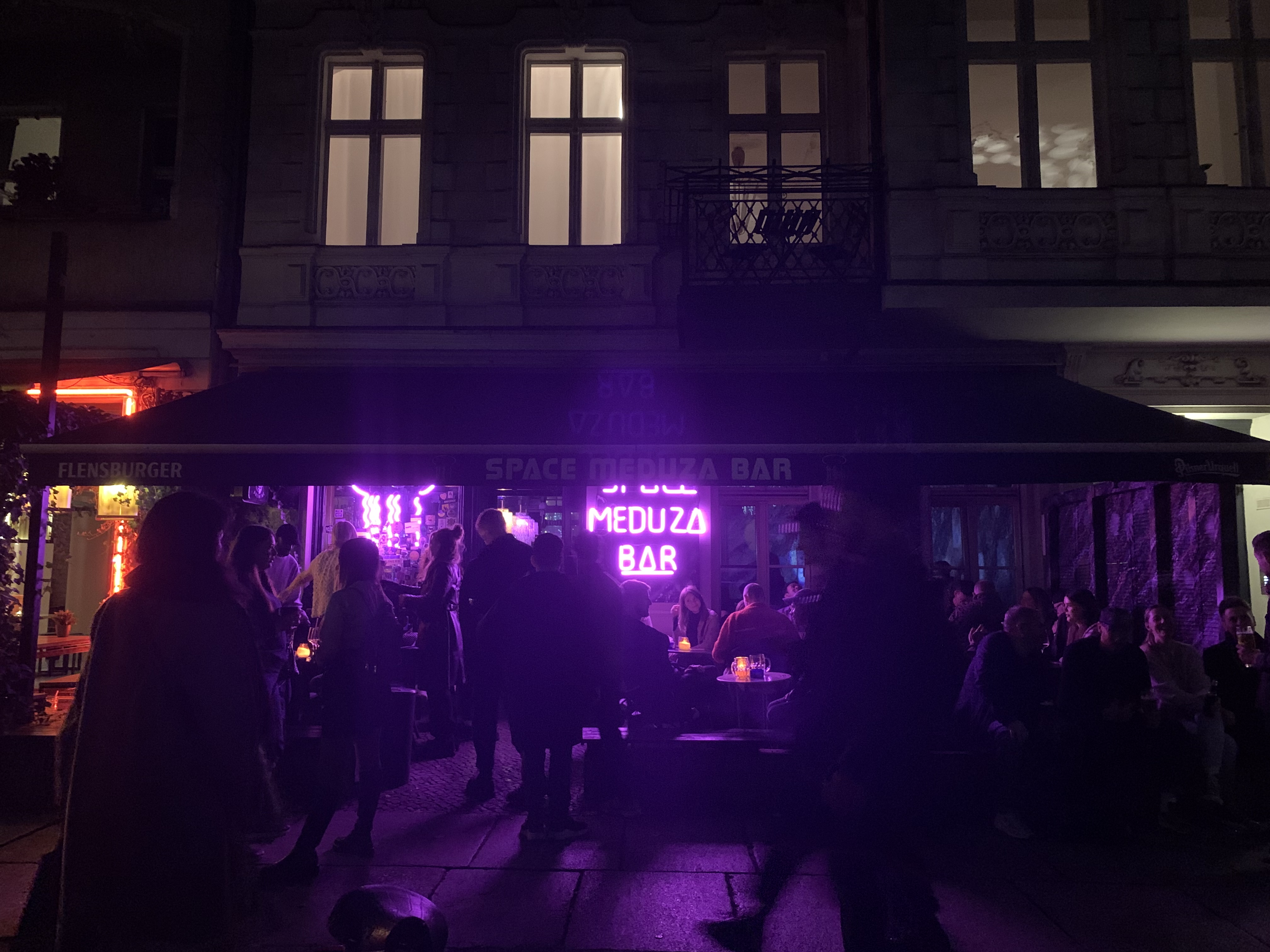
At Fete de la Musique, I was lucky to hear @lisaakuah perform songs from her debut album, Outgrowing Nymph. I met the psychedelic folk singer about 2 years ago at Space Meduza, where I was immediately entranced by her voice which seemed to expand endlessly into the neon-lit interior of the bar. Though Alex offered more of an industrial setting, the effect remained the same, her voice reverberating through bricks walls and steel beams to project an acoustic center into an abstract, cosmic space: “worlds endlessly wide,” as she would sing in “Dancing Trees.”

On a night where the past echoed into the present, and the wind outside stirred storms in my heart, I found Lisa’s music more penetrating than usual.

I’m close to the earth
I breathe in the world
Lying down on the ground
That’s how I came to see
In the breeze, the dancing trees

Lisa Akuah

Mid-Spring

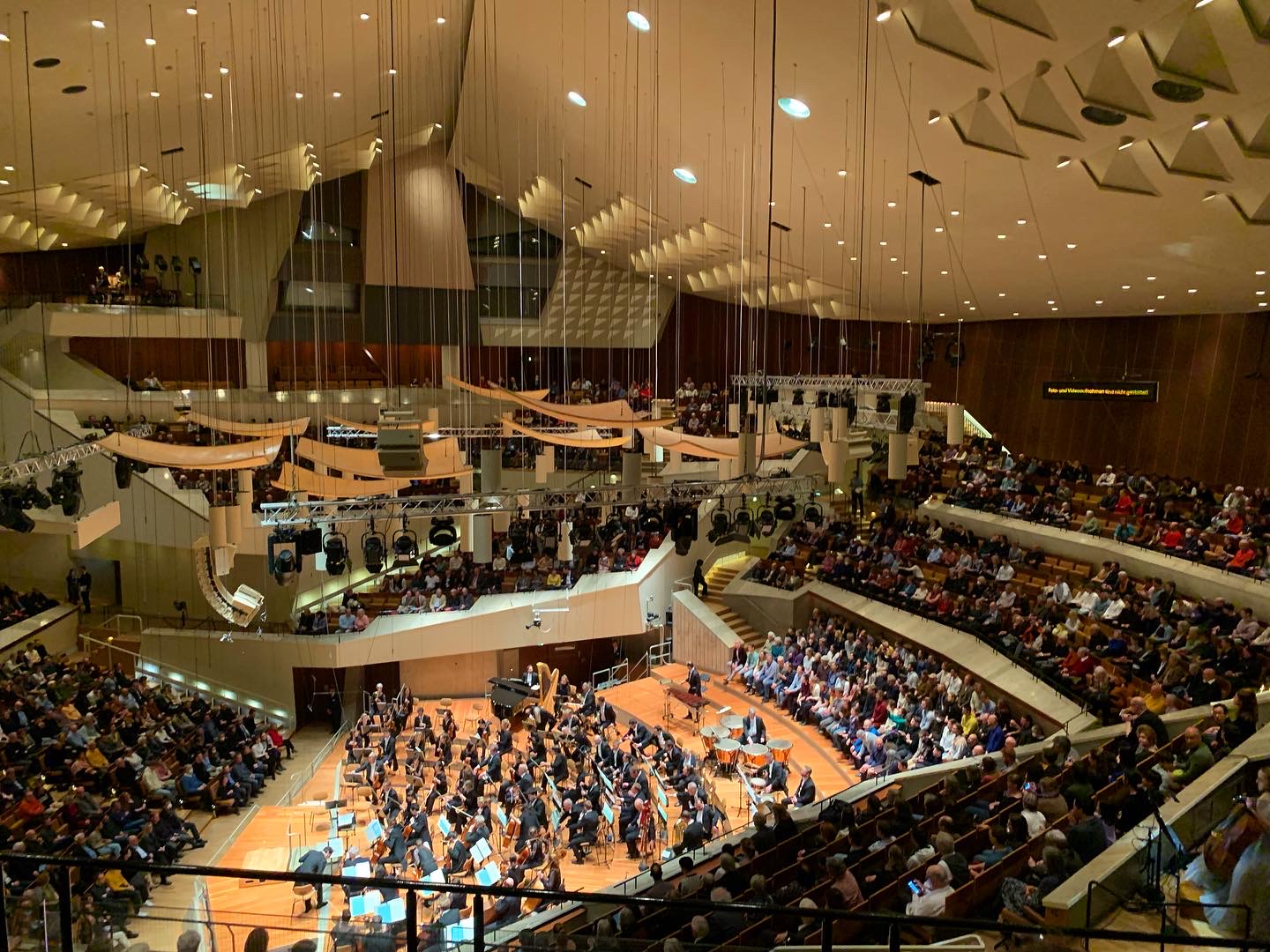
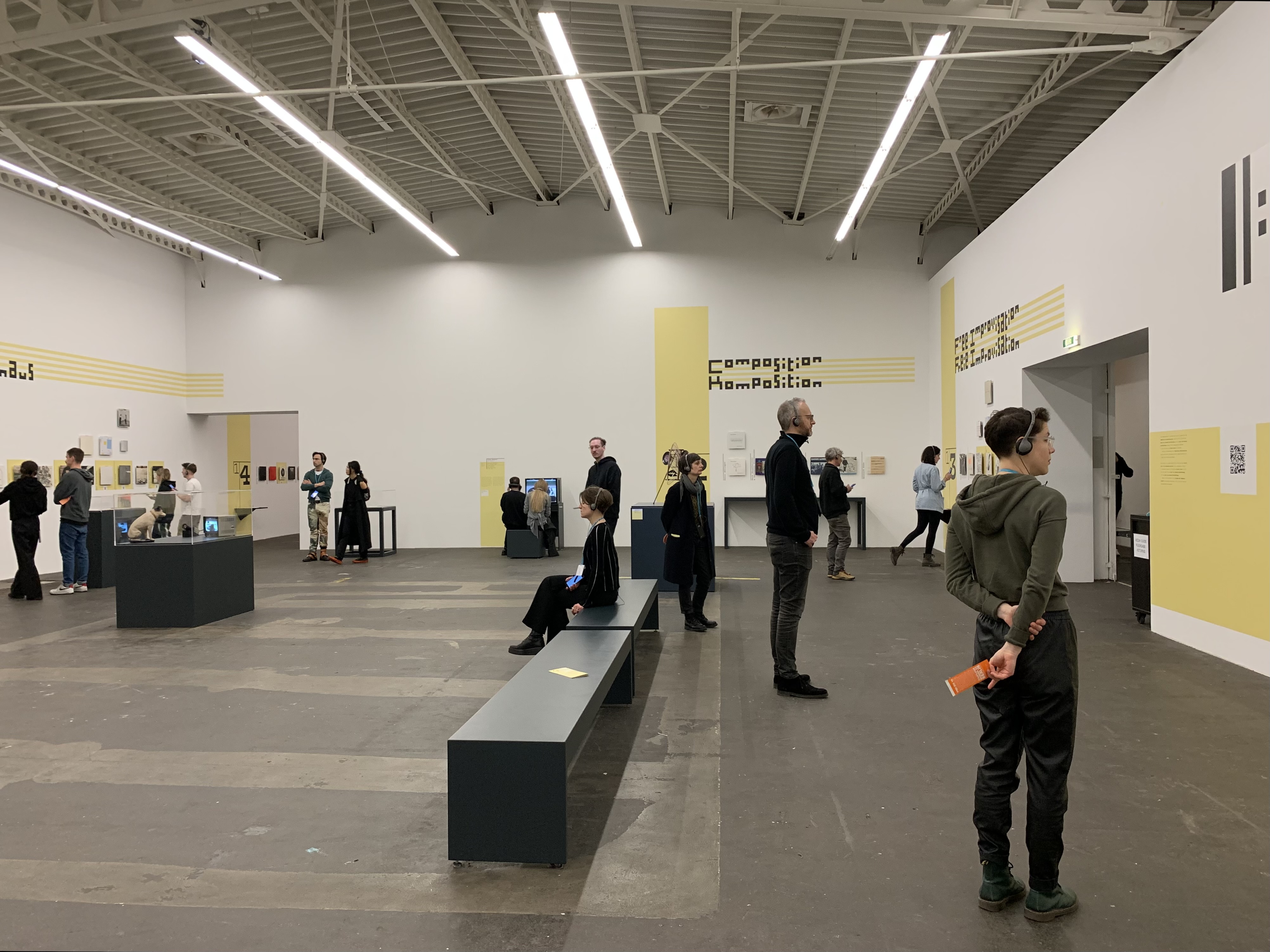
Monday’s weather continued from the weekend’s, the sky forlorn, the rain speckled. After Gil and I parted ways at the Berlin Central Station, I was assailed by a revelation of the emotional fullness of the days, which had began Saturday night with Elgar’s elegaic Cello Concerto at the Philharmonie, later reiterated on screen in the movie, Tàr. With Elgar’s melancholic strings still percolating in my head, I slept fitfully, then woke to go to Hamburger Bahnhof for the abstract, but in my head at least, tortured figures of Christina Quarles’s paintings. I ventured deeper, into a separate exhibition on broken music, charting the history of experimentations and innovations in music for the past few decades. A free audioguide is passed to you, on which you can scan QR codes to listen to the sounds from various curated themes in the exhibition – minimal/maximal music, techno, artists’s labels. I was immediately drawn to John Giorgio, who founded the Dial-A-Poem telephone service at the height of the 60s counterculture movement where a random poem is selected for the caller, usually poems with leftist leanings – anti-Vietnam war, pro civil rights, anti-capitalist. Eventually, it got shut down by the FBI in the 70s, not an unusual act of censoring materials that did not fit the status quo. In the Suicide Sutra, inspired by Buddhist chants, Giorgio’s voice is overlaid several times, each phrase, an echo of the last: “you can’t remember, you can’t remember, where you are, where you are, you have forgotten, you have forgotten, who you are, who you are.” Returning to the Central Station, Elgar’s contemplative tune was acoustically superimposed onto Giorgio’s mournful poetry, along with the visceral visuality of Quarles’s paintings. The overall effect was heavy, not the lightness of being of love and sex and living in the moment, but the vague feeling that all of these things have happened to you before, in a past life or an alternate reality. I took that feeling to Beate Uwe, where I met Fiona for the first time, and danced my heart away.

For Fuchs’ Sake

Every 2nd S̷a̷t̷u̷r̷d̷a̷y̷ Sunday of the month, in a dingy Neukölln bar, the convivial fox gathers its skulk for a night of music and storytelling.

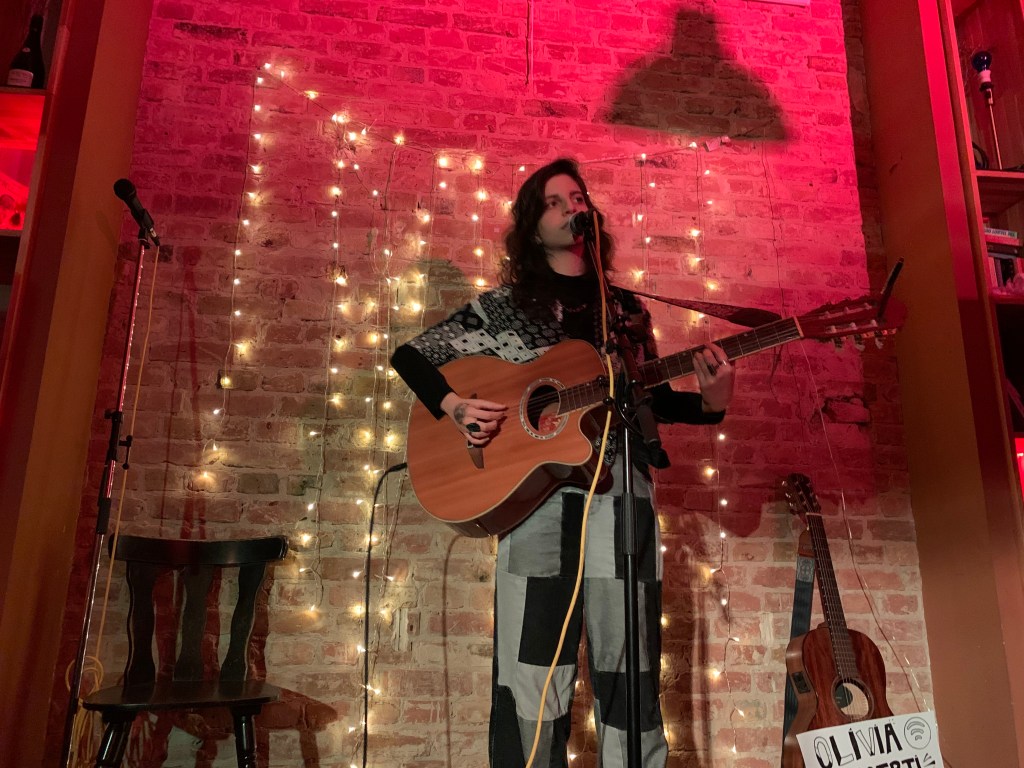
The night begins with Olivia Mamberti. The Berlin-based artist from Rio sings of past selves and past love. Her presence is airy, her voice tastes of half-melted gelato on a warm summer day.

Pause, 5 mins. 5 mins to recover from youthful reveries.

Marina Reza goes next. Brazilian summer retreats into New York winter. Blending Moshfeghian ennui with catchy Burnham-esque axioms, her poetry provides reprieve of some kind in an age of “we’re all f-ed in the b.”

Pause, again. We are reminded to use the restroom and tip the bartender, who is working alone tonight. There are thirsty cubs to feed.

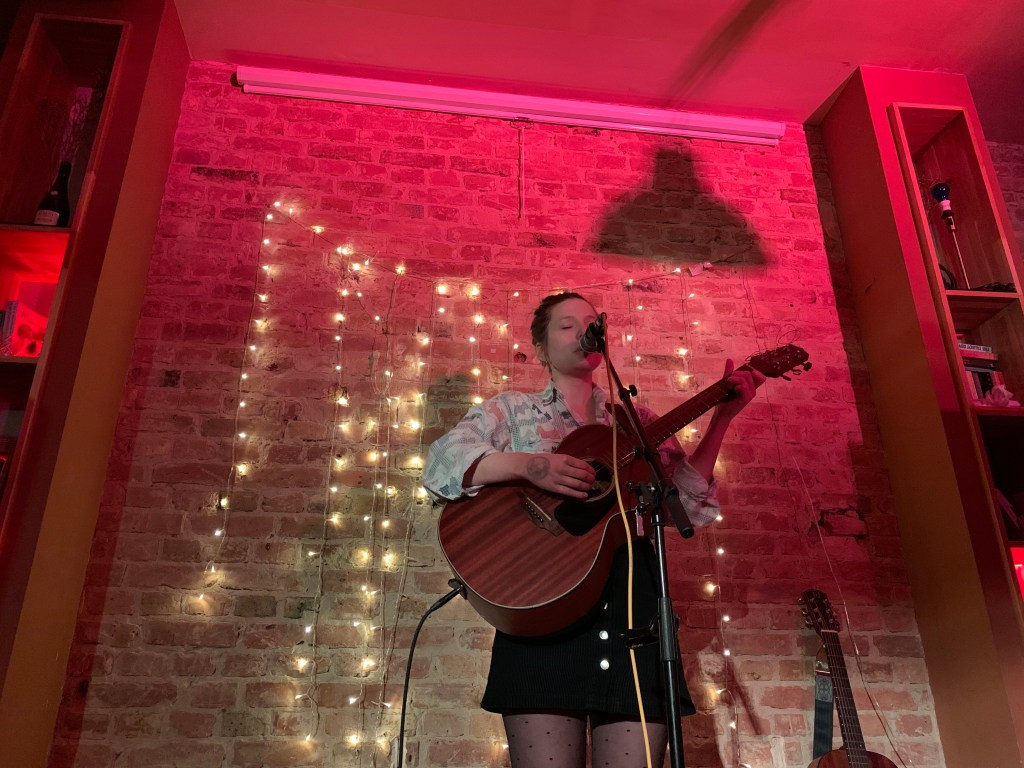
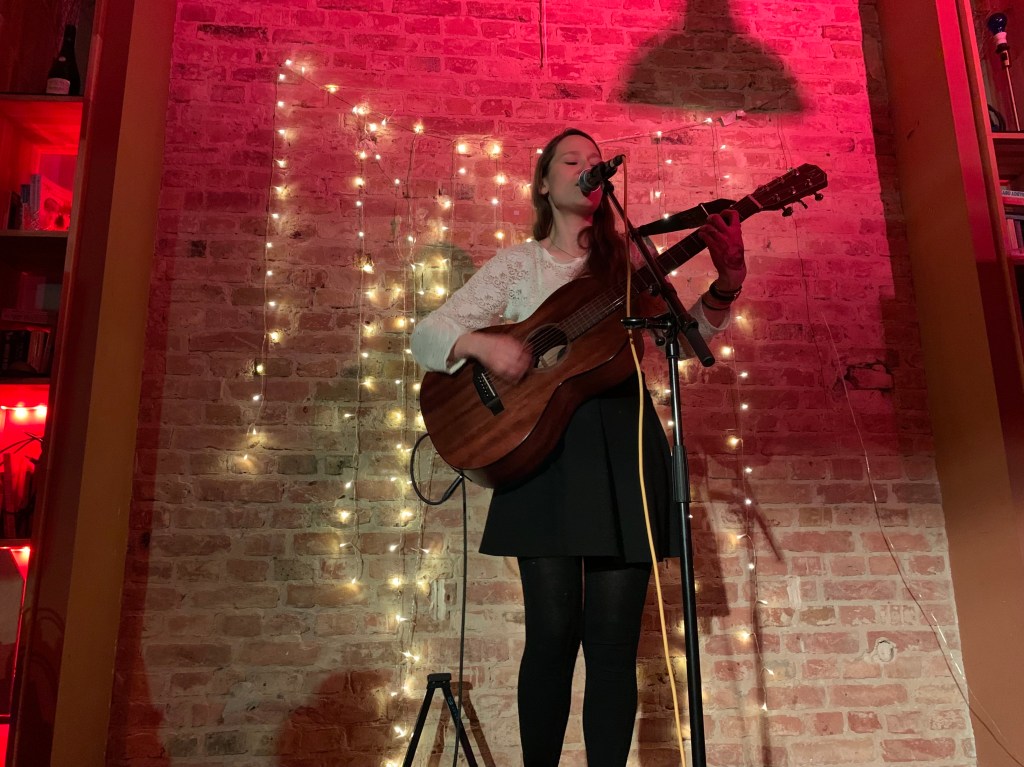
Louise Mathilde falls into place on the stage. Her voice perforates. “Septembre” relates a terrible month of loss: the days get shorter; a lover leaves. As “que s’endorme le chagrin” is quavered, I feel her chagrin. 

Pause, one last time. I’m on my third Radler. I’ve tipped the bartender.

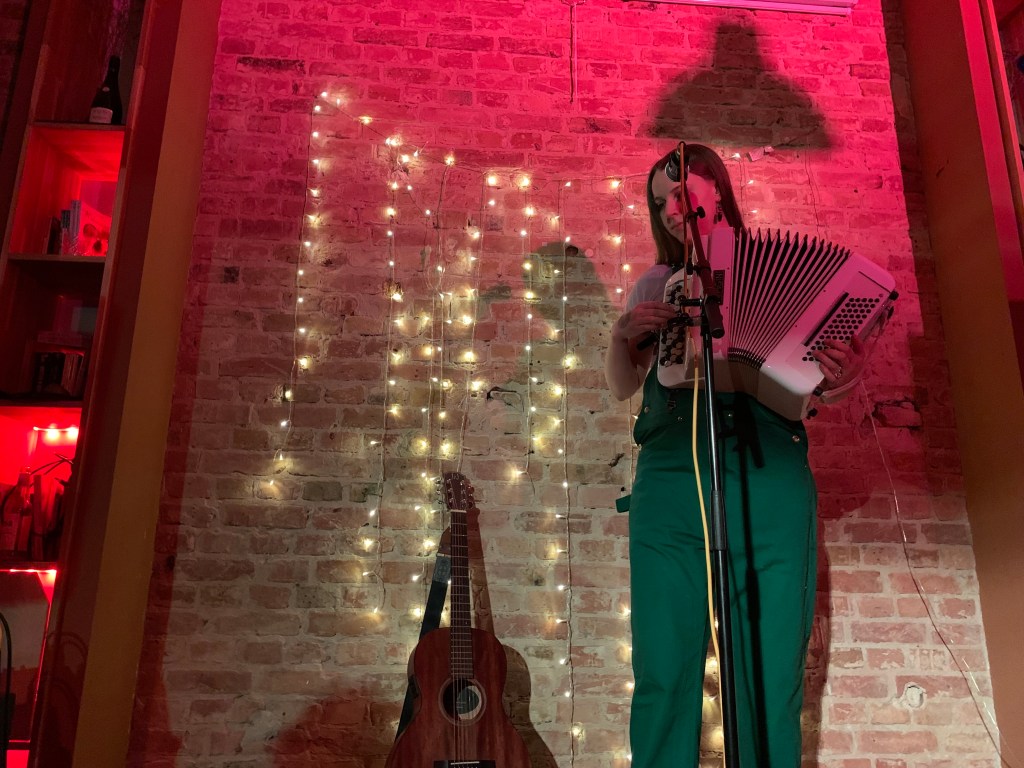
Anna Pancenko comes on, spring in her steps. She juggles between guitar, accordion and harmonica. A deluge of genres – indie, folk, blues – is backed by quirky details from misbegotten adventures.

We near the end.

The night is rounded up by the charismatic Ella Fuchs. The colours of four seasons fade back to reality. It is a blank slate, the morning before the daily grind: you wake up, you break down, you put on some makeup.

For Fuchs’ Sake is a monthly event curated by singer-songwriter, Ella Fuchs, showcasing four artists every 2nd Saturday (sometimes Sunday) of the month. It has been on hiatus since 21 August 2023 but you can follow updates on https://www.instagram.com/for.fuchs.sake.berlin/.

Slow Pulp

Pandemic, about 7 months in. The days accumulate, buried under browser tabs of Covid coverages, JSTOR repositories, Wikihows on dealing with loneliness. Youtube is stuck on perpetual autoplay: sad music, ads, sad music, ads, lofi beats for studying.

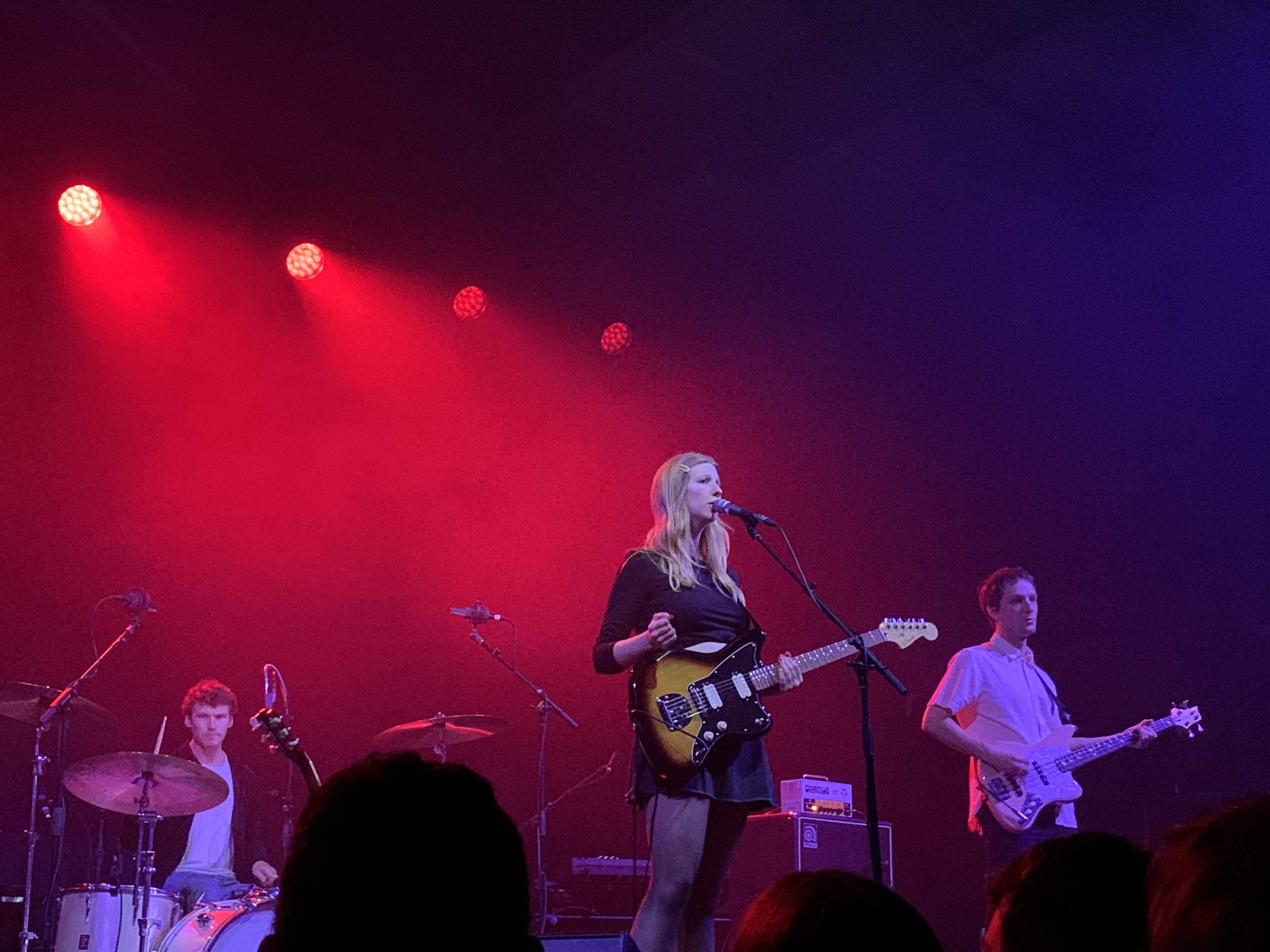
Around this time I discovered Slow Pulp, more specifically their KEXP at Home performance, recorded not long after their debut album, Moveys, was released. Guitars are softly strummed, tambourine and drums merge in beat, Massey croons mournfully. In many ways, the album’s about moving, consciously or circumstantially. Idaho for instance references a mistaken sojourn, Falling Apart tracks life paths sometimes irreversibly altered by the unforeseen.

3 years later, they are touring Europe for the first time. When it was announced, my phone buzzed twice: once for Death Cab for Cutie then for Slow Pulp, hot (sad) music in your area. It’s probably the first time I’ve bought a concert ticket with the opening act also in mind. Listening to Moveys again brought back the feelings of ennui and nihilism that had accompanied lockdown but it also reminded me of the quiet hope and movement you make amid nothingness and despair. Towards the end of New Horse, Massey sings: “I know I’m still getting better/I might come back/I’ll hope for that.” Me too.