Kahnawá:ke

I am told that jetlag hits harder the older you get so I accepted my lack of sleep on the day of my presentation without much protest, the entire night a feverish array of tossing and turning, multiple restroom trips, the shuttering of the eyelids and their eventual rising when the light filtered through the curtains and I spotted with my crusted eyes, A.’s meditative silhouette in the corner of the hotel room.

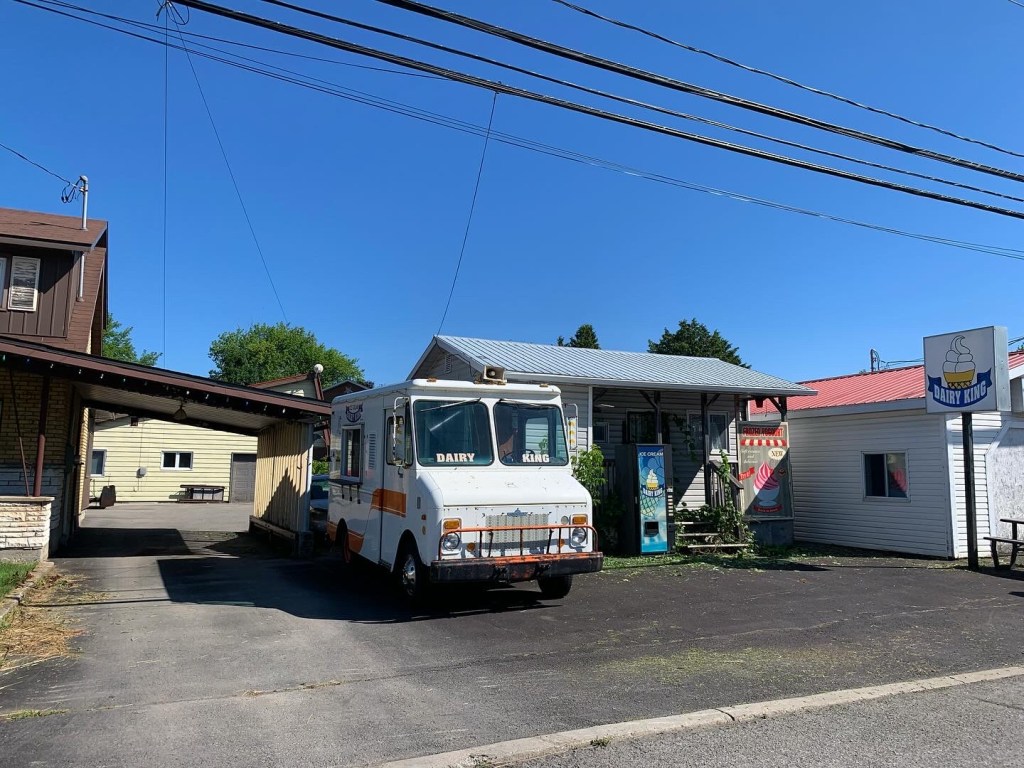
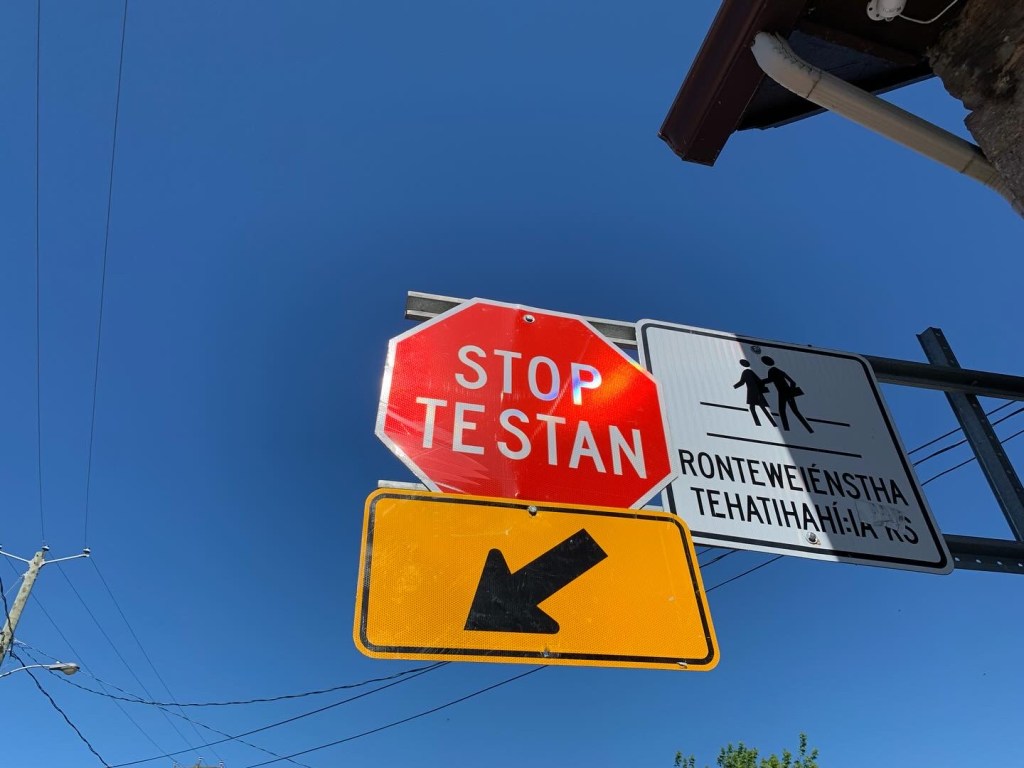
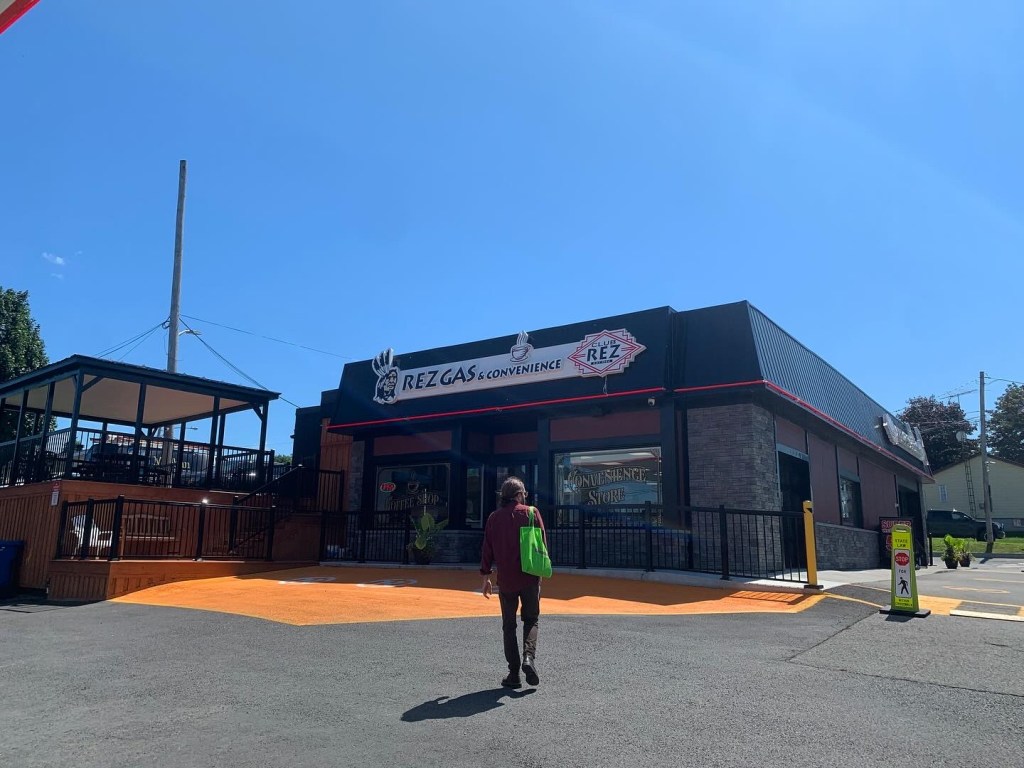
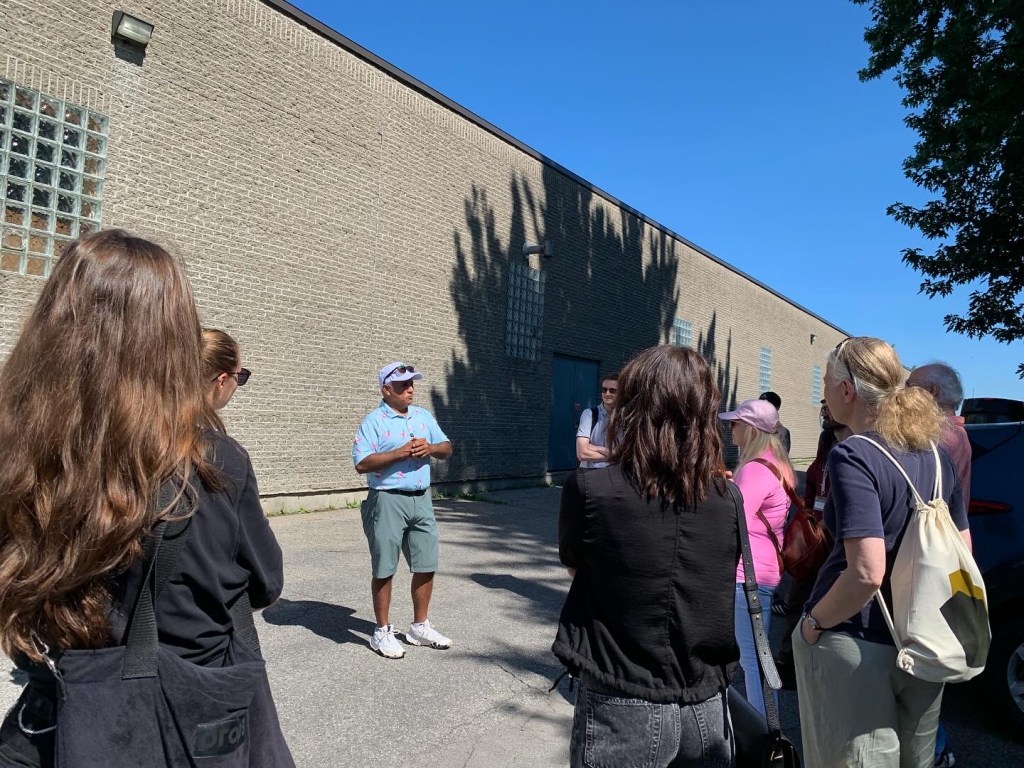
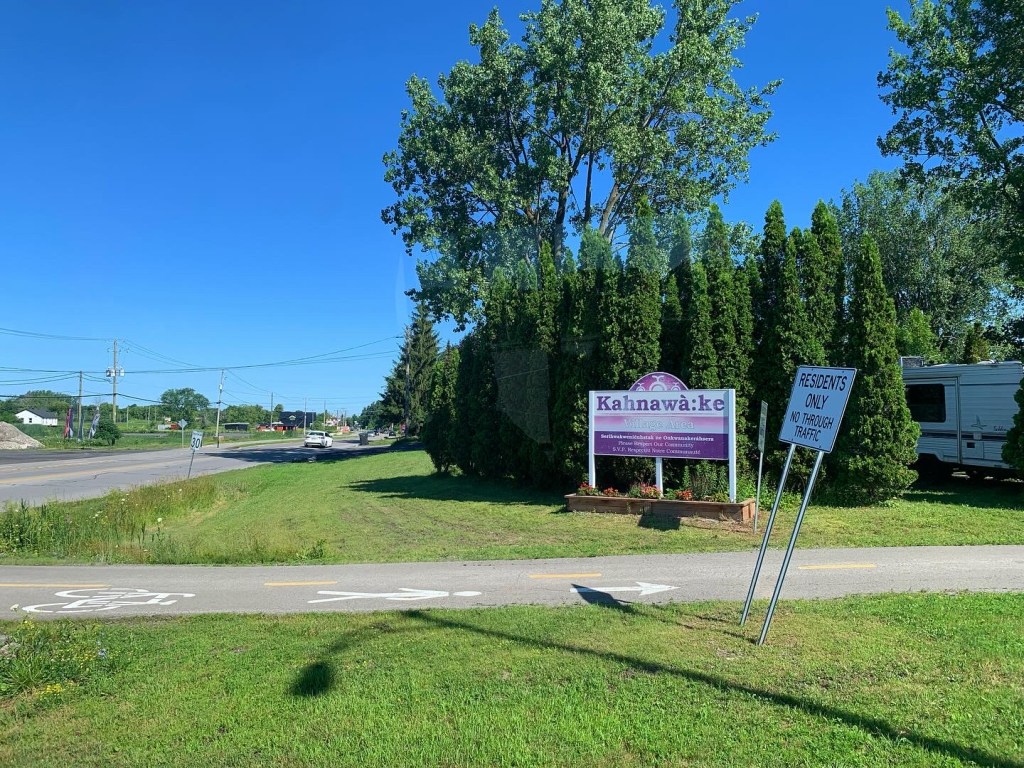
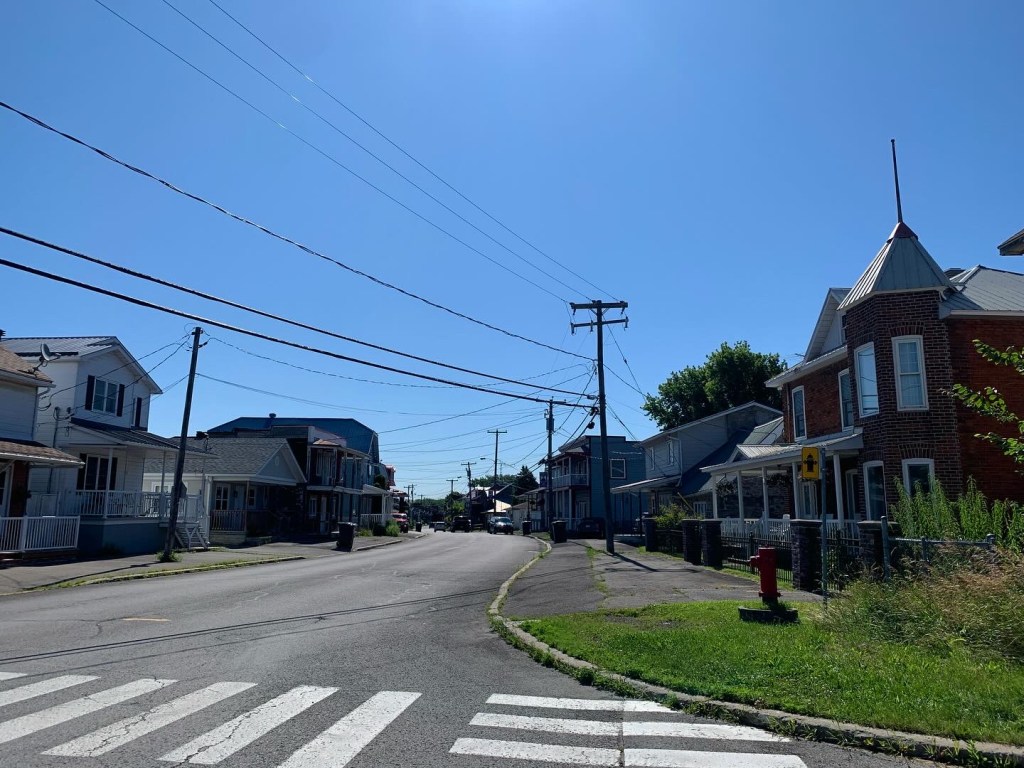
On the day I was due to present, my giddy anticipation before the presentation had to be tempered by a sobering trip to Kahnawá:ke, a First Nations territory located on the southern shore of Québec’s St. Lawrence River. Dwayne, a history teacher turned education consultant and our guide for the day, spoke somberly about the history of the Iroquois, a history of immense loss and the long, ongoing process of reconciliation. I thought I detected some chagrin when Dwayne said that he sees himself as a “floater,” someone who is in-between, having not adopted the Catholicism brought over by French colonizers nor fully reconnected with the dispossessed Longhouse culture of his people. But I also thought that I sensed some pride when Dwayne said that his daughter speaks better Kanienʼkéha than he does.

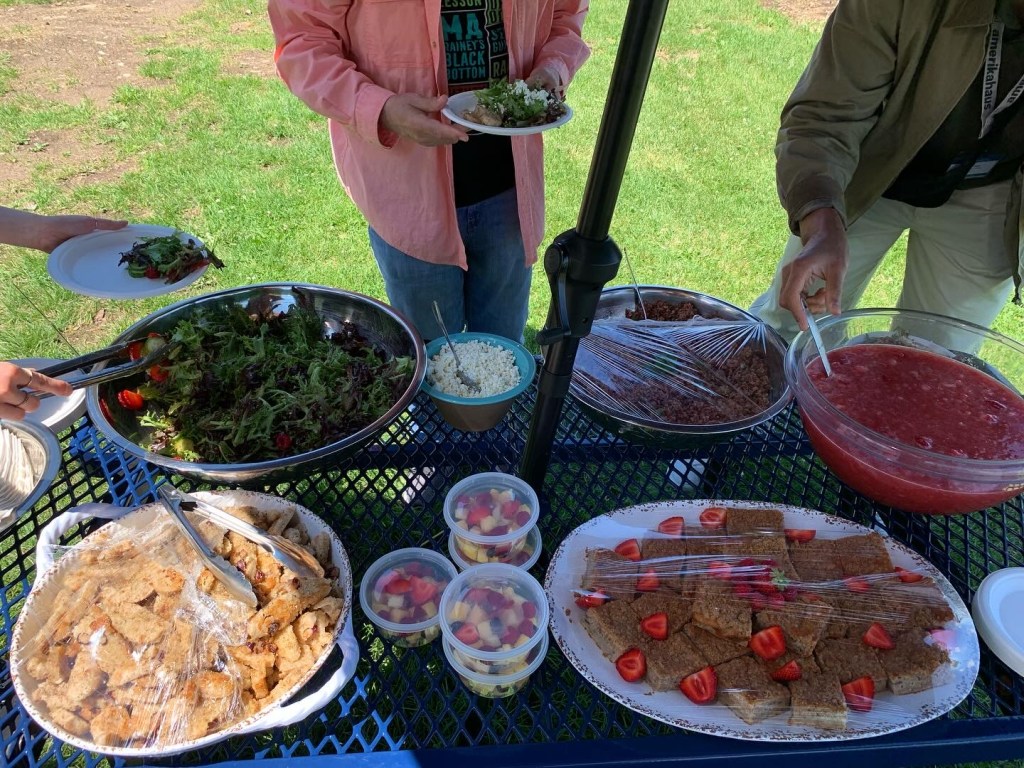
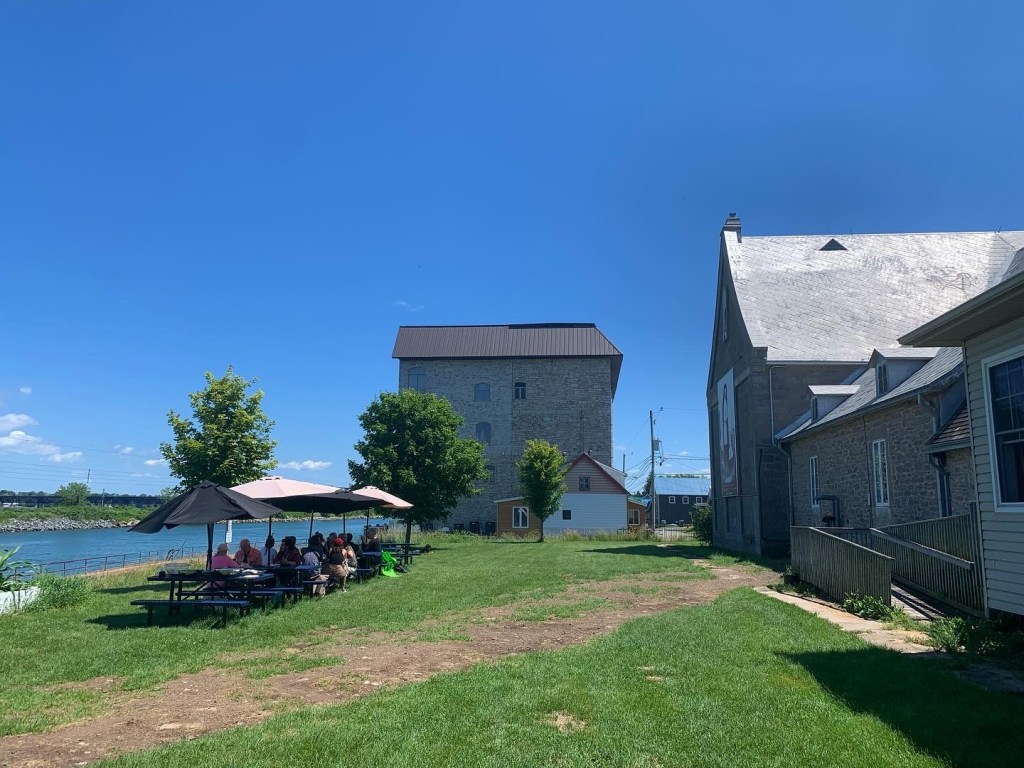
By late noon I was awake for over 16 hours. A catered picnic lunch offered a brief respite: cornbread, goat cheese, wild rice salad, and watermelon ice under patio umbrellas overlooking the river. I combed through some of the notes I jotted down:

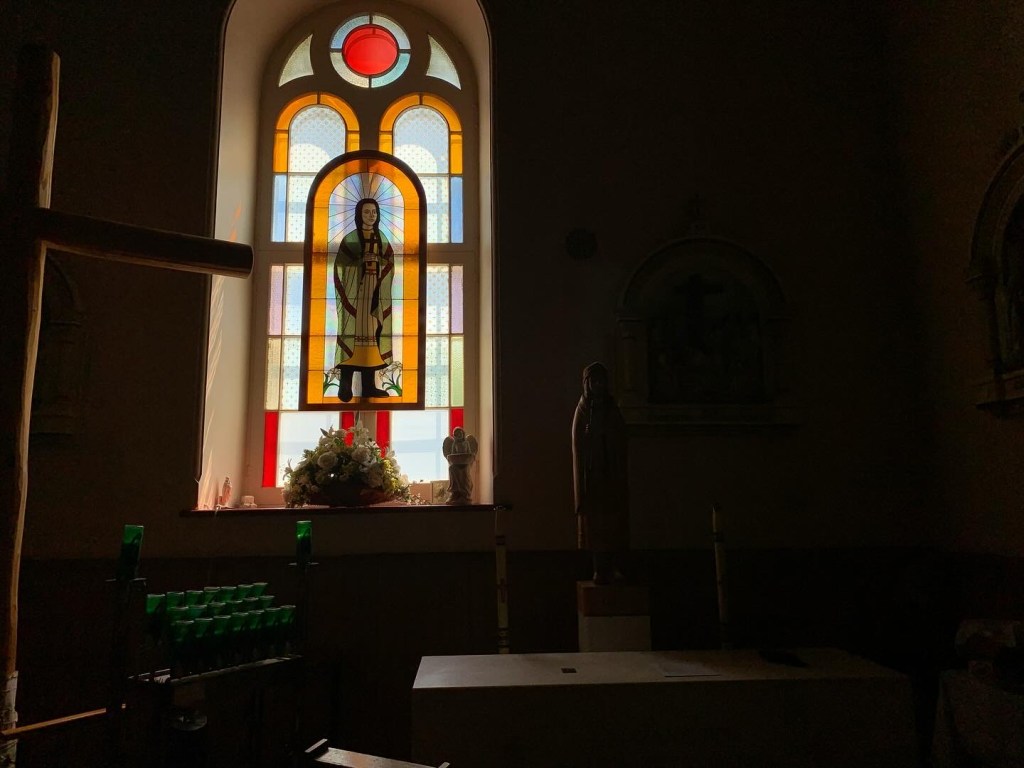
The Truth & Reconciliation Commission of Canada was formed in 2008 to rectify the legacy of residential schools, a legacy that involved taking kids aged 4-17 away from reserves so that they could be assimilated into “Euro-Canadian culture.” The last federally funded residential school closed in Canada in 1997. In 2021, 215 possible unmarked graves were discovered under a former residential school in British Columbia. A memorial site in Kahnawá:ke was set up. People left flowers, bears, and children’s shoes.
Montréal

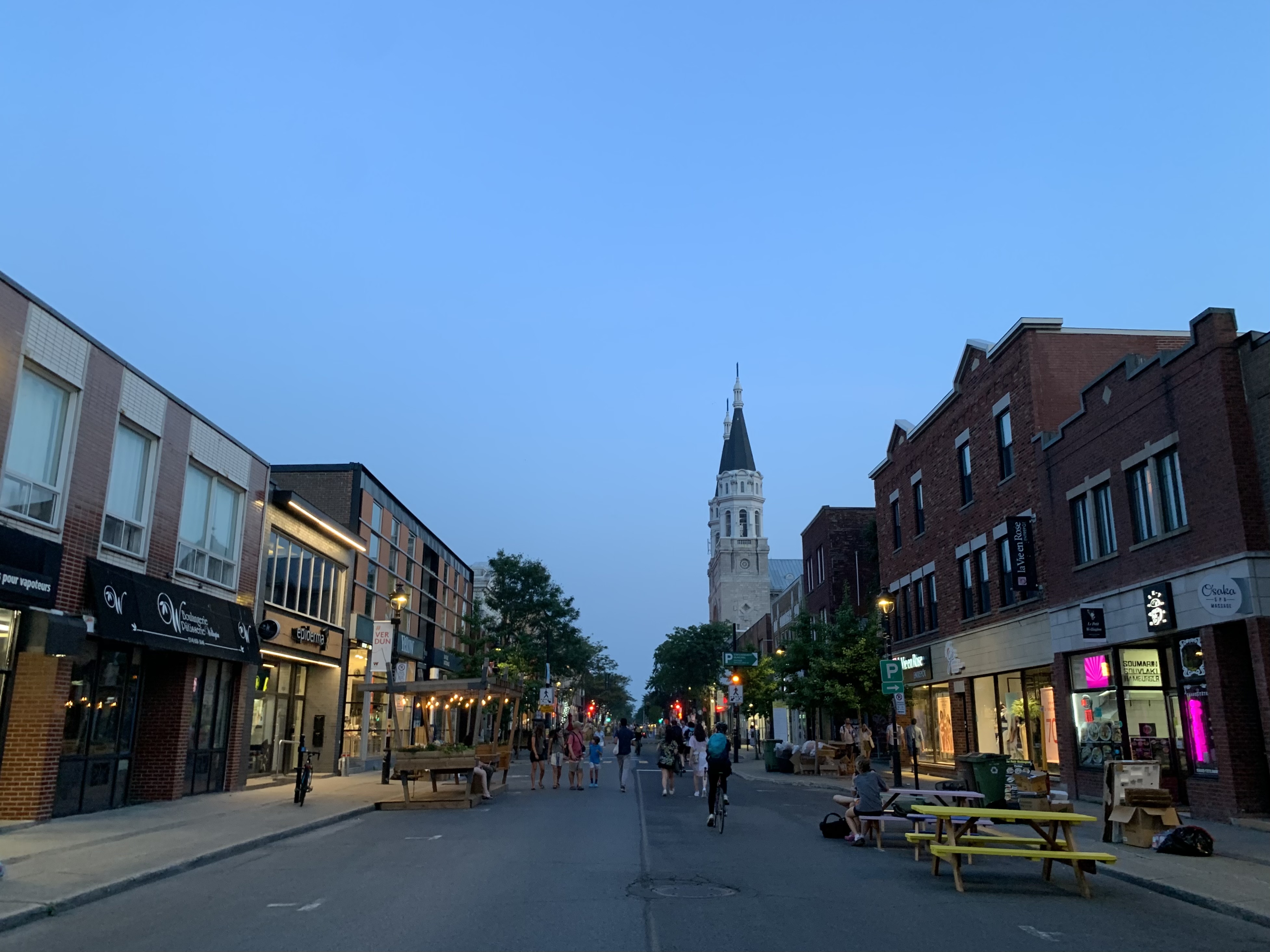
I am back from Canada and will attempt to organize my thoughts chronologically, though it might be an impossible endeavour, the dizzying effects of jetlag and a week that has unfolded like a dream. The evening we landed we took a cab to Verdun, where our first hunt for poutine was a failure, after the restaurant owner convinced us that poutines were “tourist traps” and we were better off having smash burgers for just a couple more Canadian bucks. Sleep was fitful that night: I closed my eyes and opened them again, at various hours.

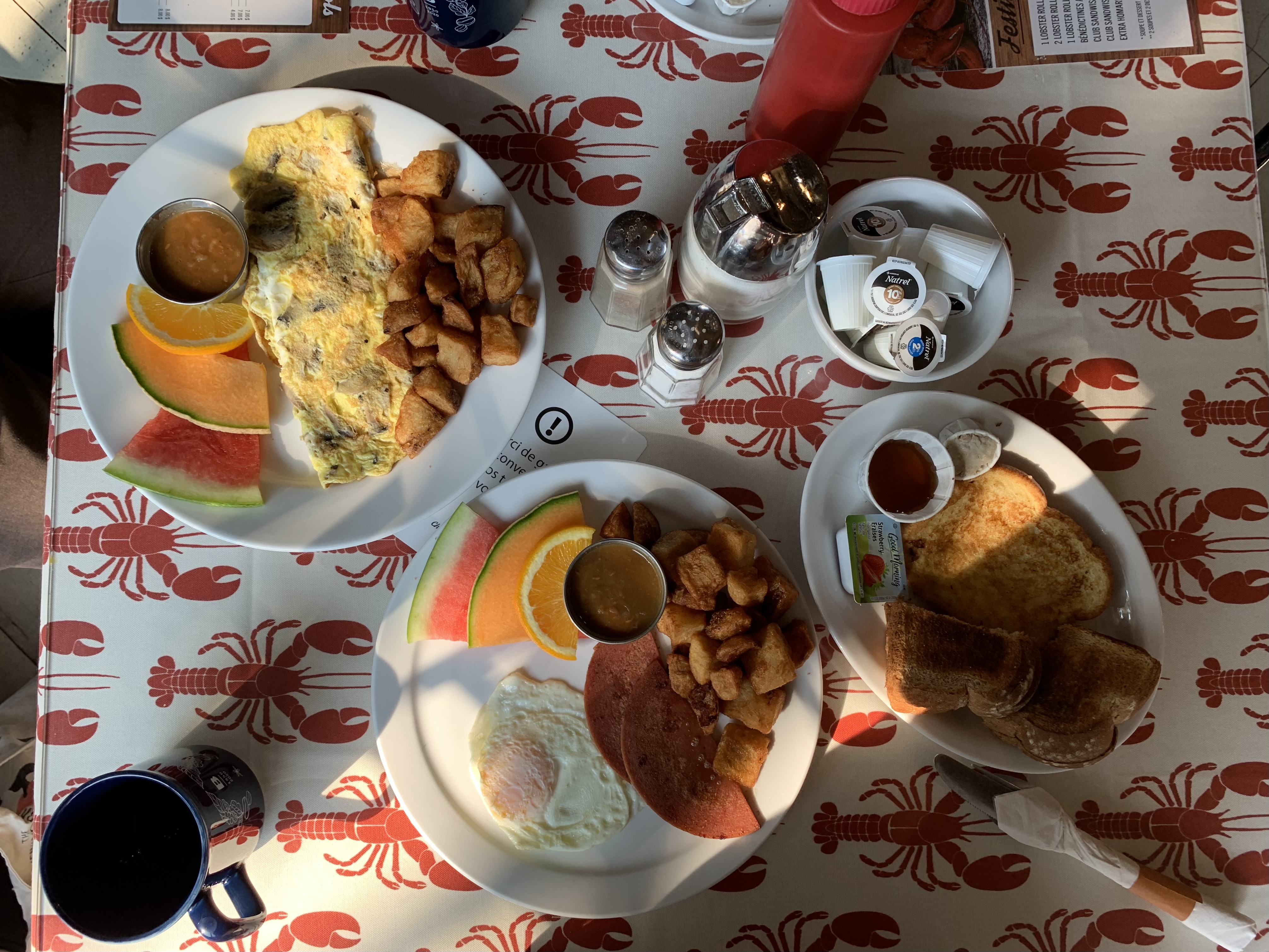
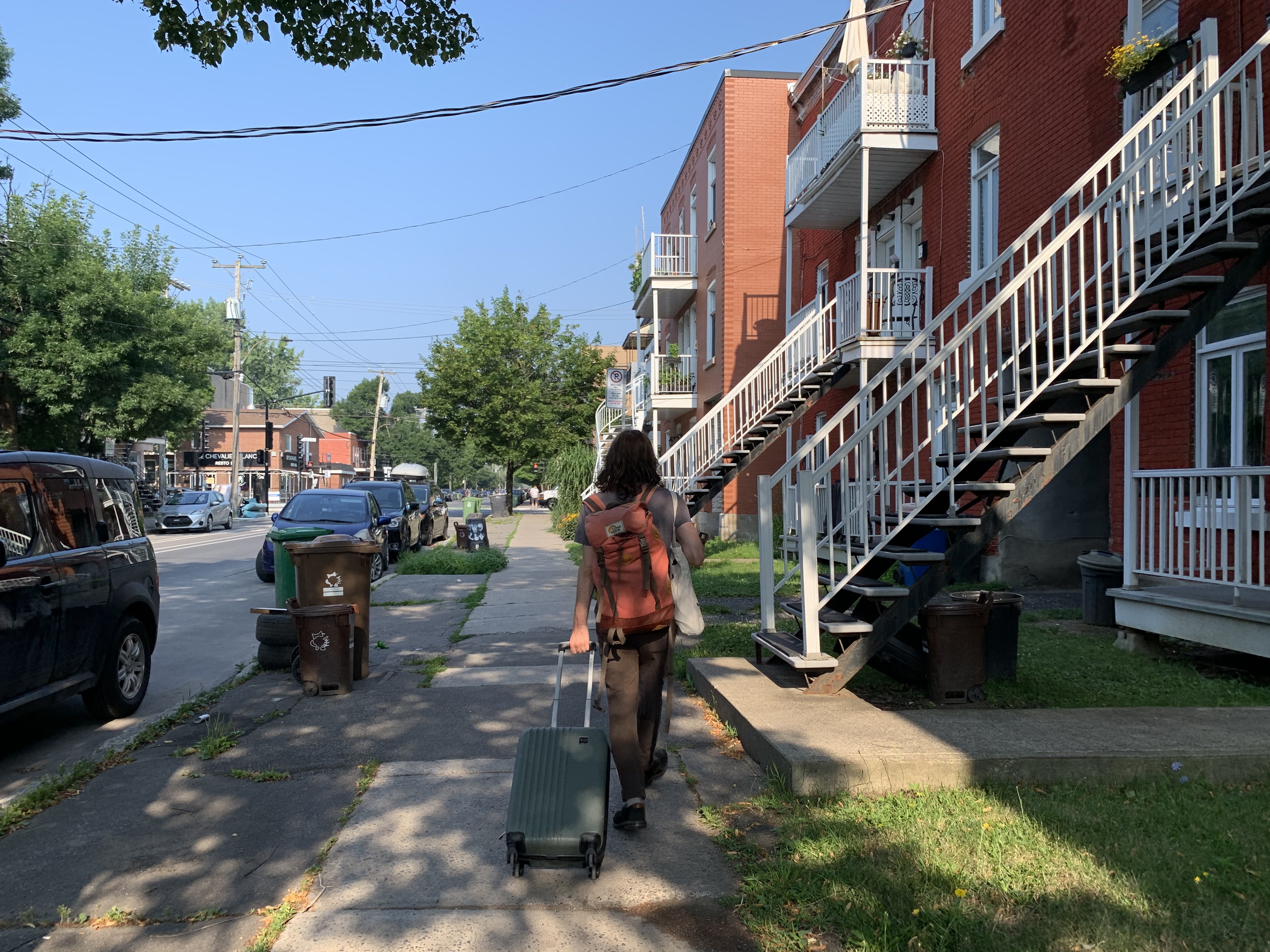
In the morning we said goodbye to our temporary flatmates, a group of Indian friends, and found ourselves practising French at a diner with the stale smell of grease and waitresses who called you honey, saying “deux” everytime our coffee had to be refilled. I heard someone at the next table say that they fish the lobsters out of St. Lawrence, “not the river but the gulf.” At another table, a kid asked for more bacon. We continued our way north to go downtown, our suitcases straddling behind us on potholed streets like reluctant passengers. The sun glinted off the surfaces of skyscrapers.

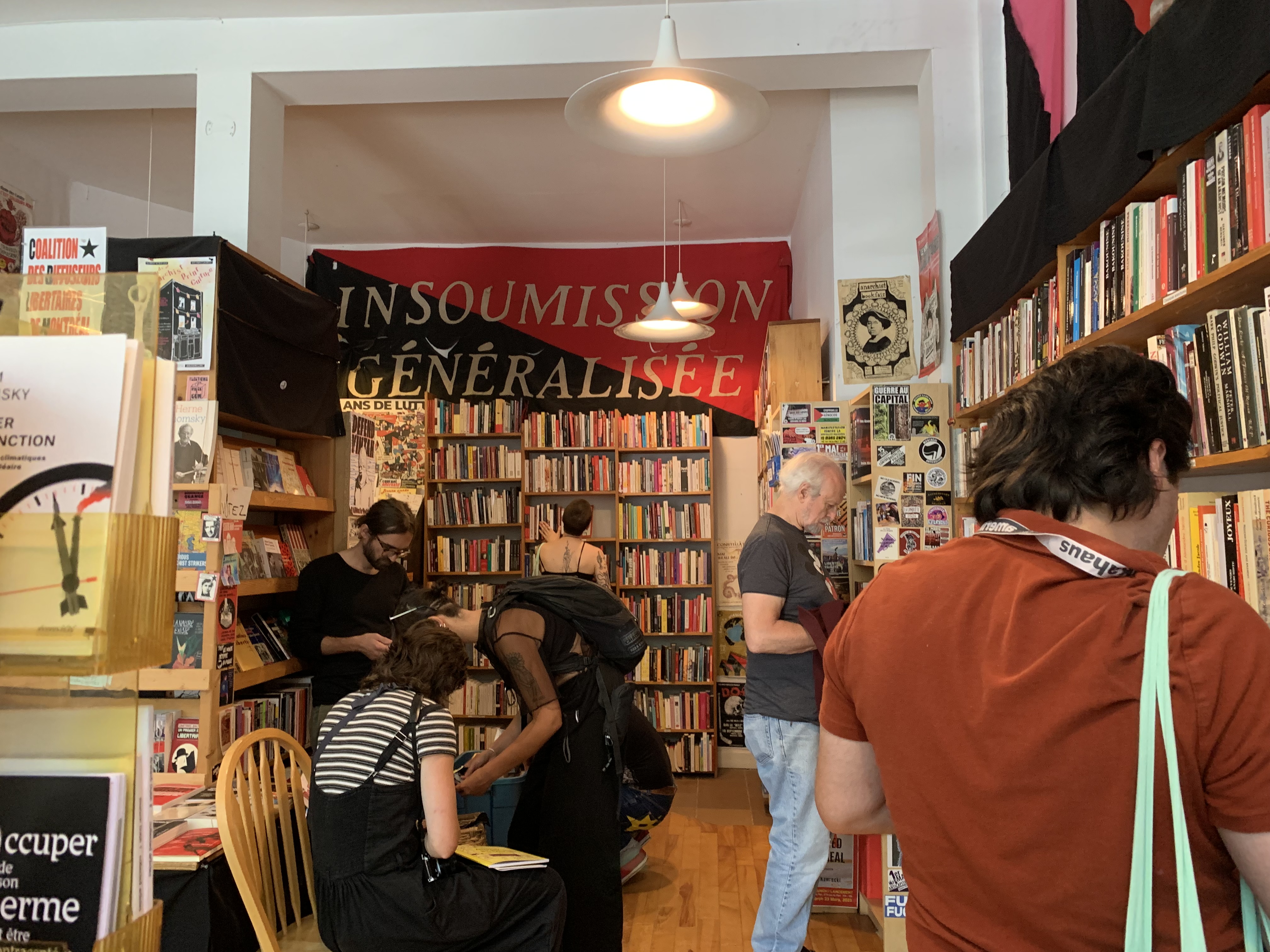
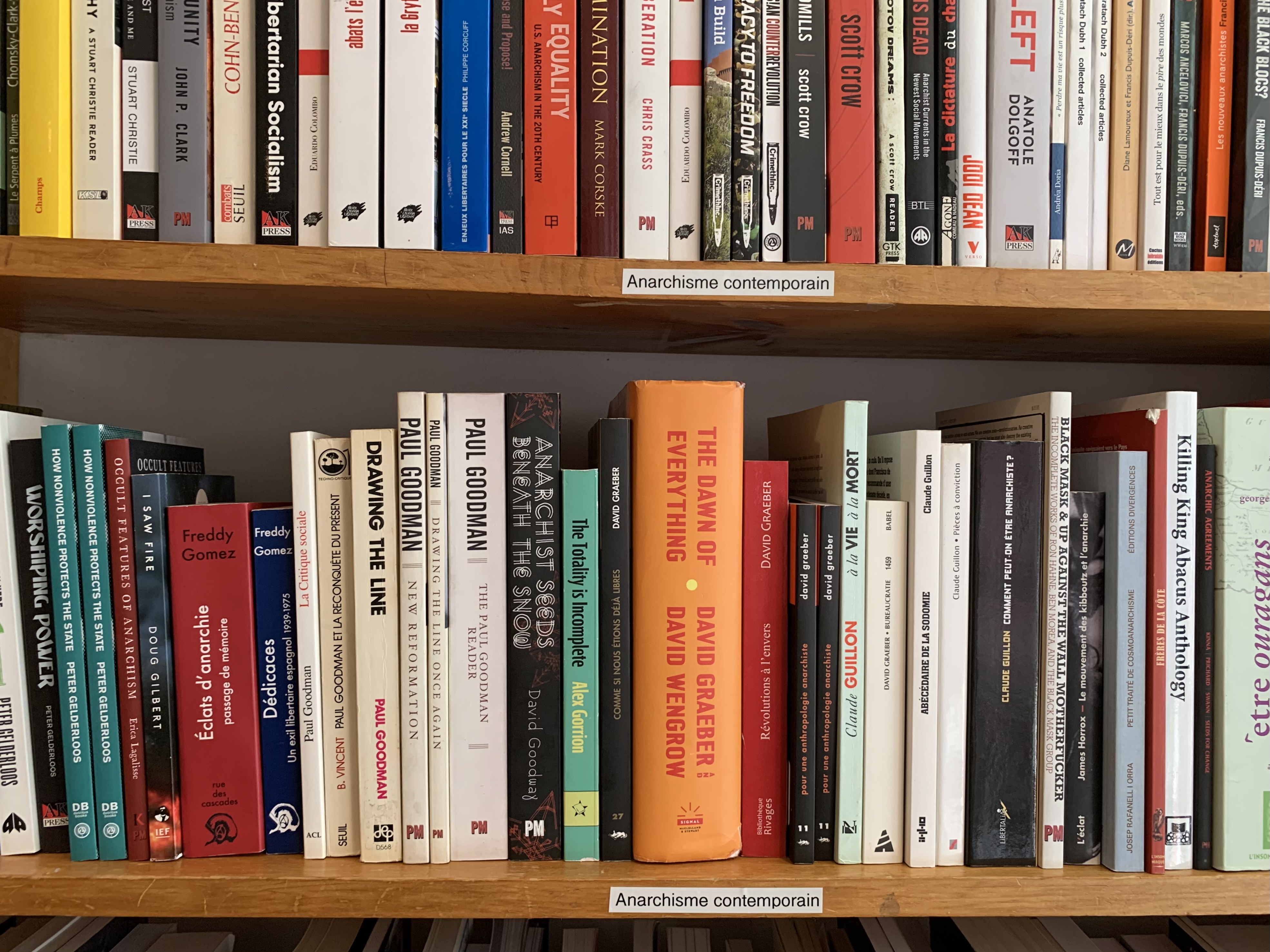
At the anarchist bookstore we were introduced to the various shelves – classic anarchy, contemporary anarchy, shelves that deal with class and race, shelves that imagine a future. Though anarchy was distant to me as a concept, I was surprised to find that I had read a lot of related books, that some of my academic research could perhaps even be considered anarchic work but without the activism (which was key). Liz, who gave us the tour of the bookstore, said that the work of ideas is important too, that “we need everyone.” I found her words consoling and learned later that she is the granddaughter of Ksawery Pruszynski, a prominent Polish journalist who was present at the Spanish Civil War to cover the work of anarchists resisting against the Franco regime.

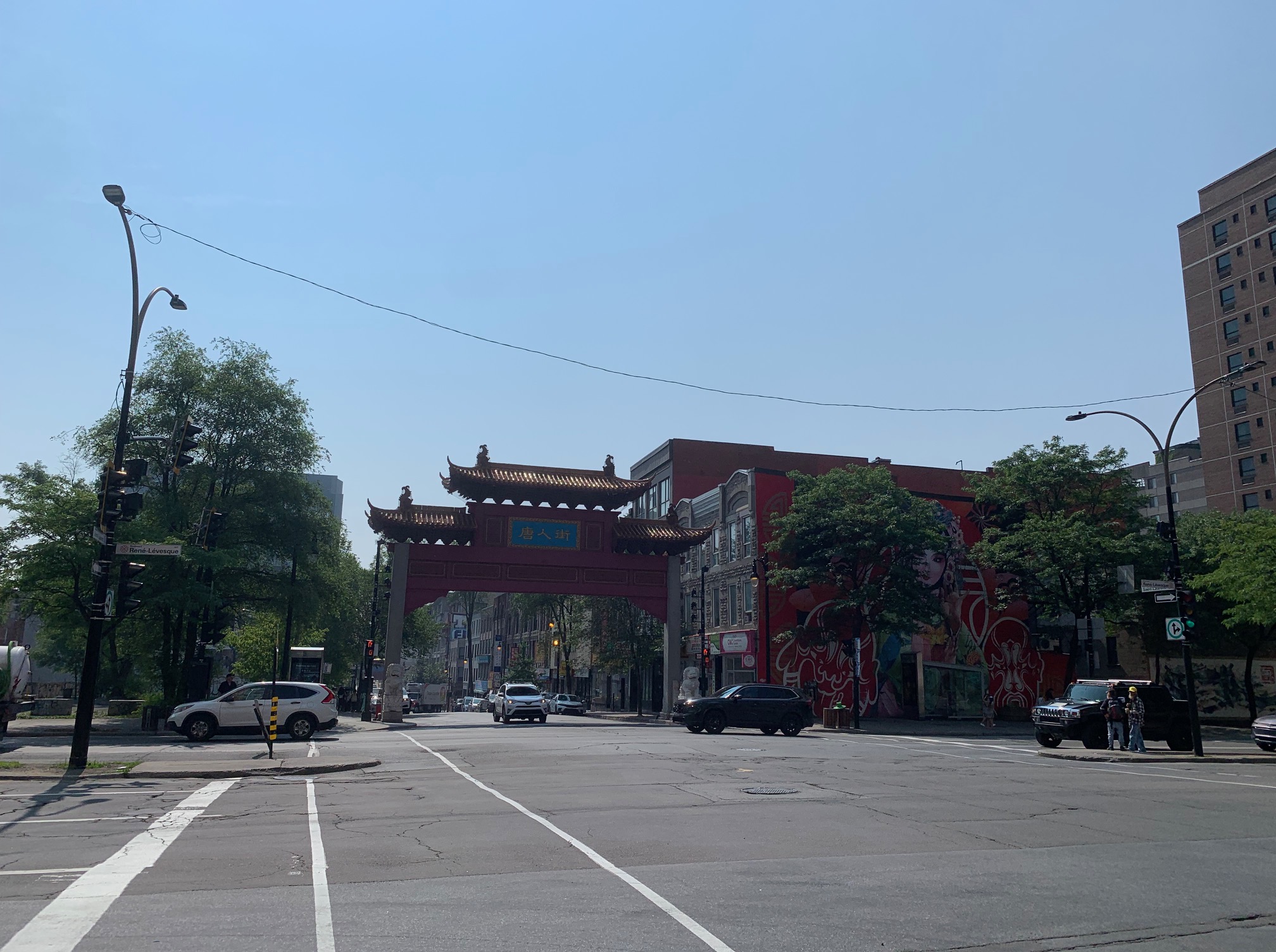
While A. checked in, I got a haircut in Chinatown. After exchanging pleasantries in Mandarin, the hairdresser asked if I was happy in Germany. I shrugged my shoulders and asked if she was happy in Montreal. She said no, but she had moved here 22 years ago for love, and it is home.