Montréal

I am back from Canada and will attempt to organize my thoughts chronologically, though it might be an impossible endeavour, the dizzying effects of jetlag and a week that has unfolded like a dream. The evening we landed we took a cab to Verdun, where our first hunt for poutine was a failure, after the restaurant owner convinced us that poutines were “tourist traps” and we were better off having smash burgers for just a couple more Canadian bucks. Sleep was fitful that night: I closed my eyes and opened them again, at various hours.
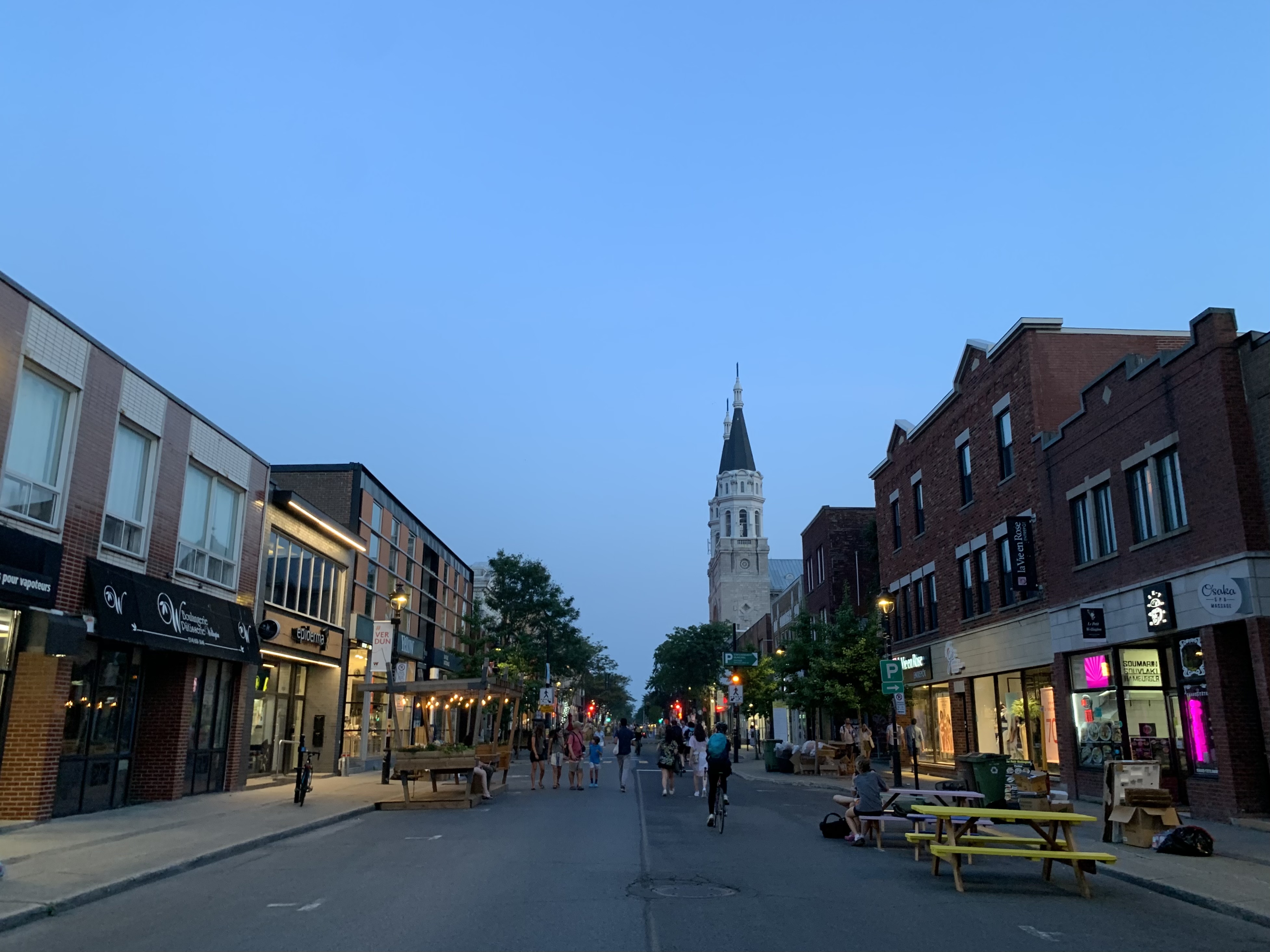
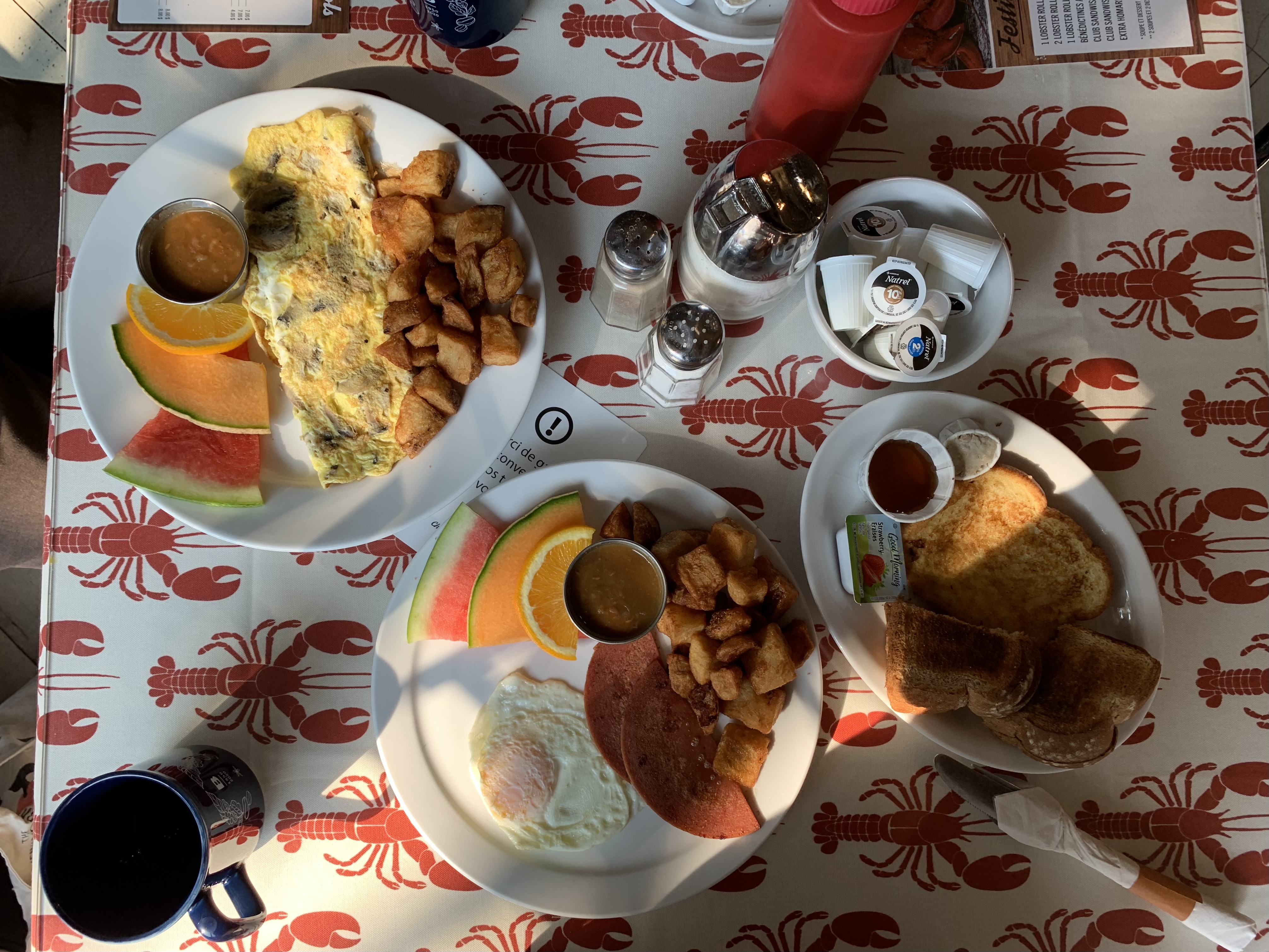
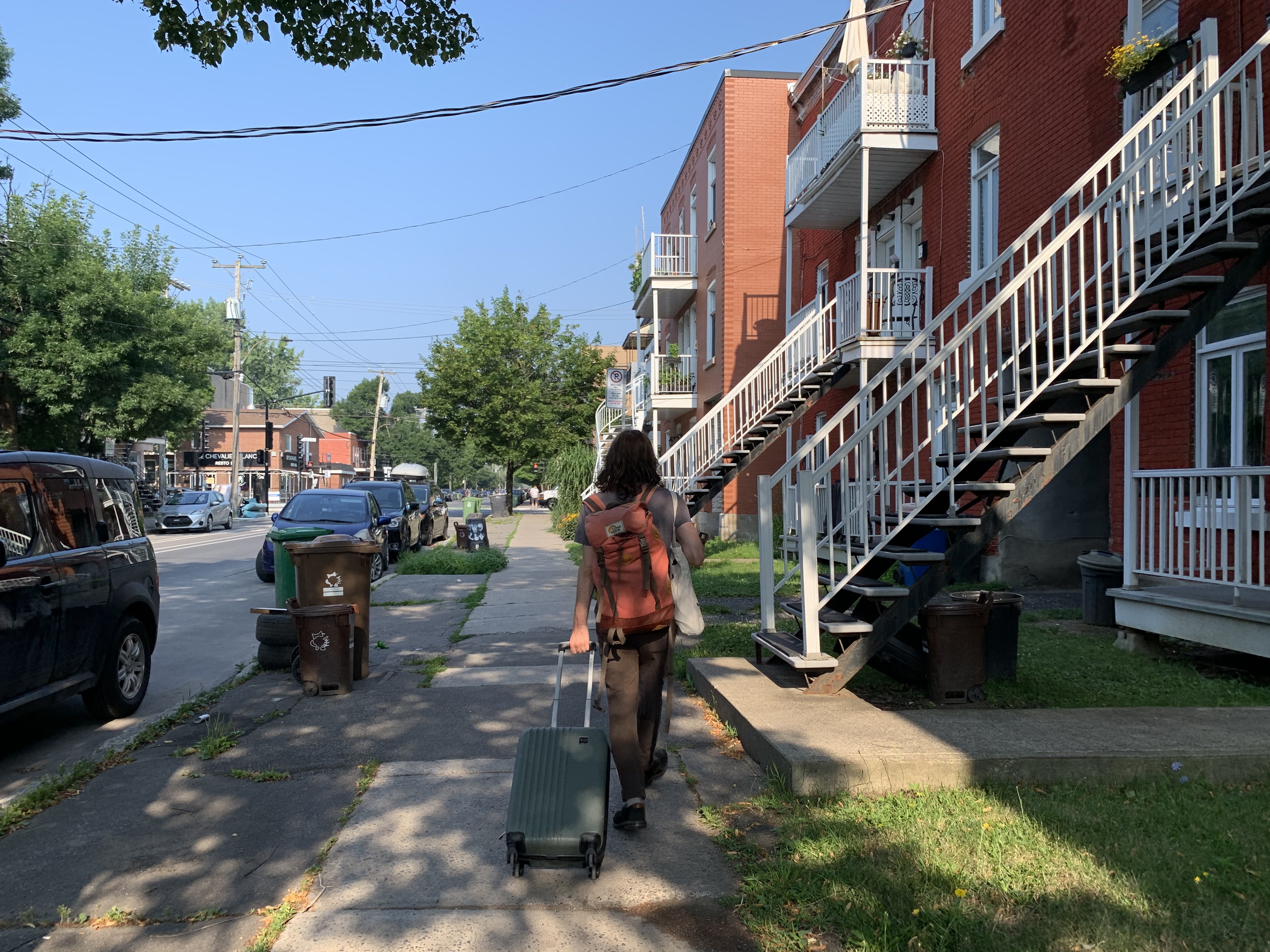
In the morning we said goodbye to our temporary flatmates, a group of Indian friends, and found ourselves practising French at a diner with the stale smell of grease and waitresses who called you honey, saying “deux” everytime our coffee had to be refilled. I heard someone at the next table say that they fish the lobsters out of St. Lawrence, “not the river but the gulf.” At another table, a kid asked for more bacon. We continued our way north to go downtown, our suitcases straddling behind us on potholed streets like reluctant passengers. The sun glinted off the surfaces of skyscrapers.
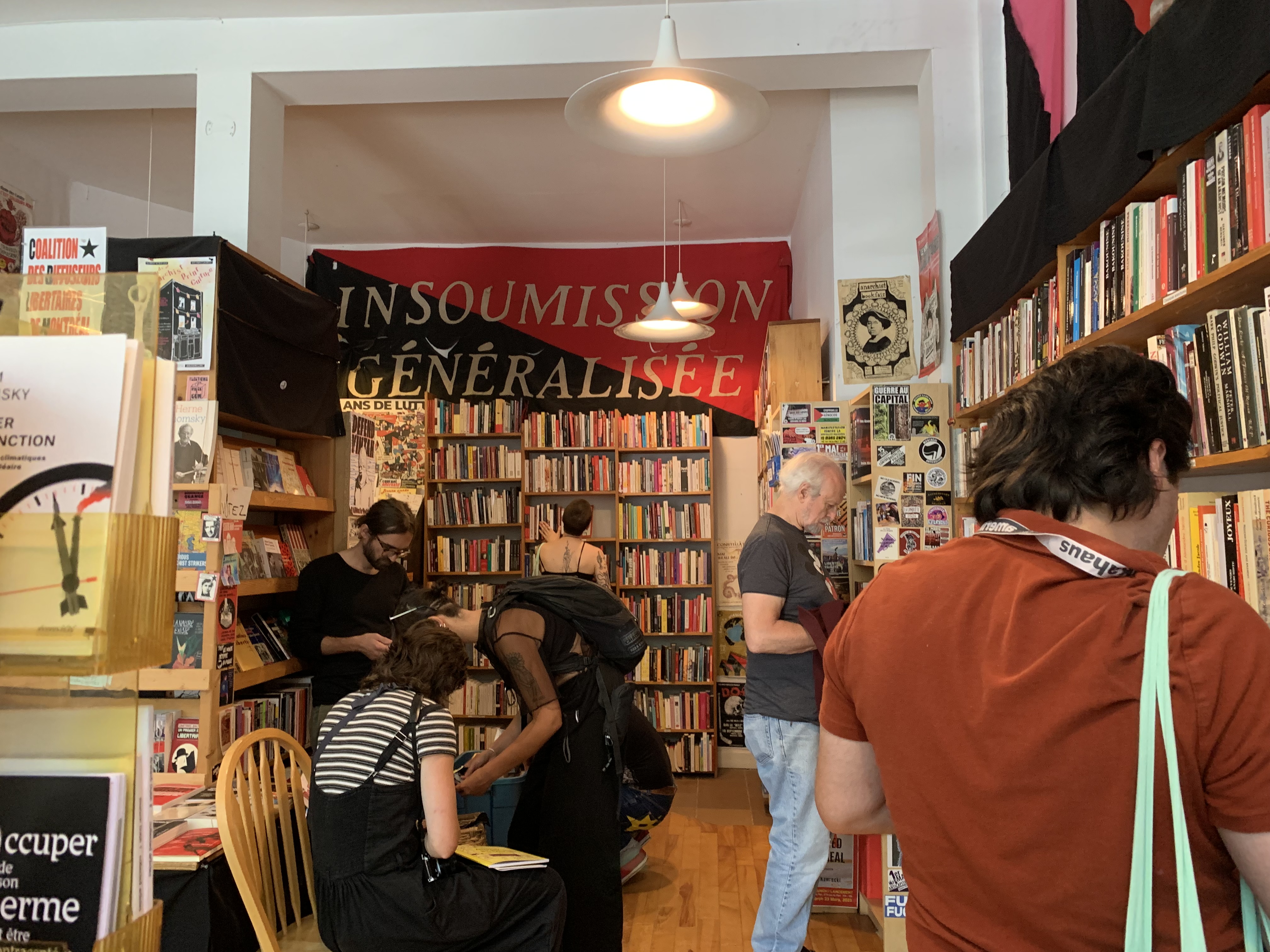
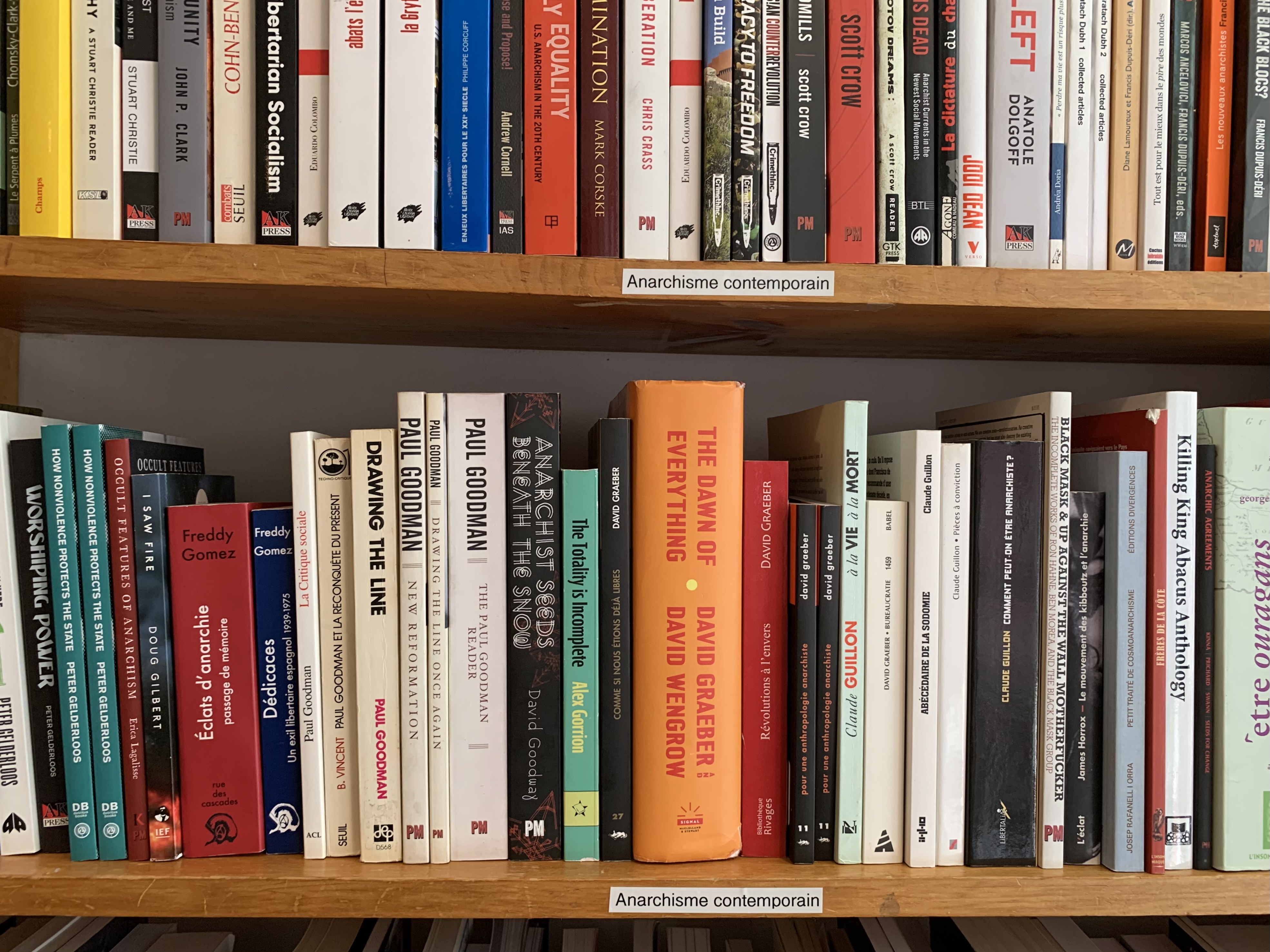
At the anarchist bookstore we were introduced to the various shelves – classic anarchy, contemporary anarchy, shelves that deal with class and race, shelves that imagine a future. Though anarchy was distant to me as a concept, I was surprised to find that I had read a lot of related books, that some of my academic research could perhaps even be considered anarchic work but without the activism (which was key). Liz, who gave us the tour of the bookstore, said that the work of ideas is important too, that “we need everyone.” I found her words consoling and learned later that she is the granddaughter of Ksawery Pruszynski, a prominent Polish journalist who was present at the Spanish Civil War to cover the work of anarchists resisting against the Franco regime.
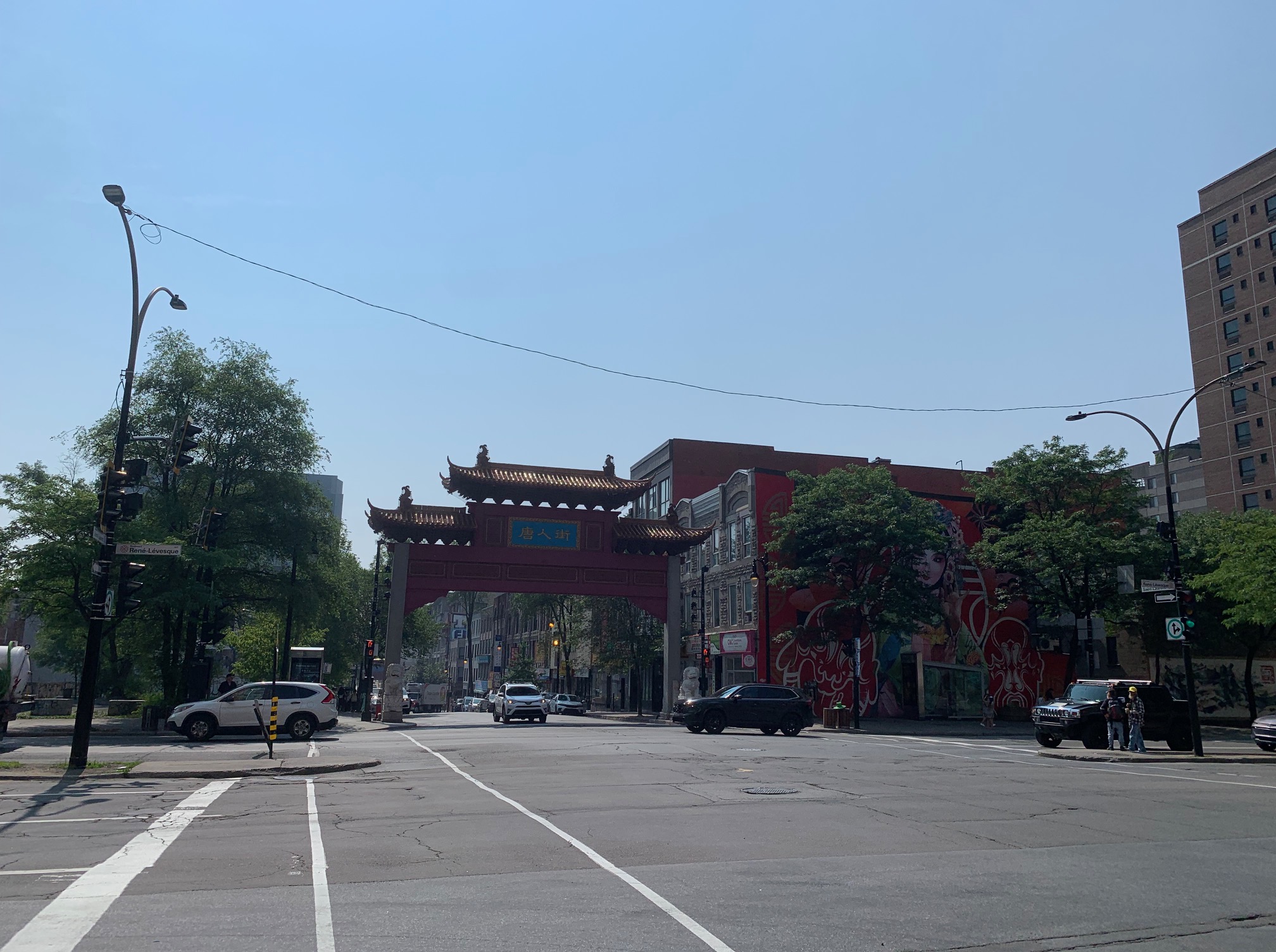
While A. checked in, I got a haircut in Chinatown. After exchanging pleasantries in Mandarin, the hairdresser asked if I was happy in Germany. I shrugged my shoulders and asked if she was happy in Montreal. She said no, but she had moved here 22 years ago for love, and it is home.
Letters from Erlangen

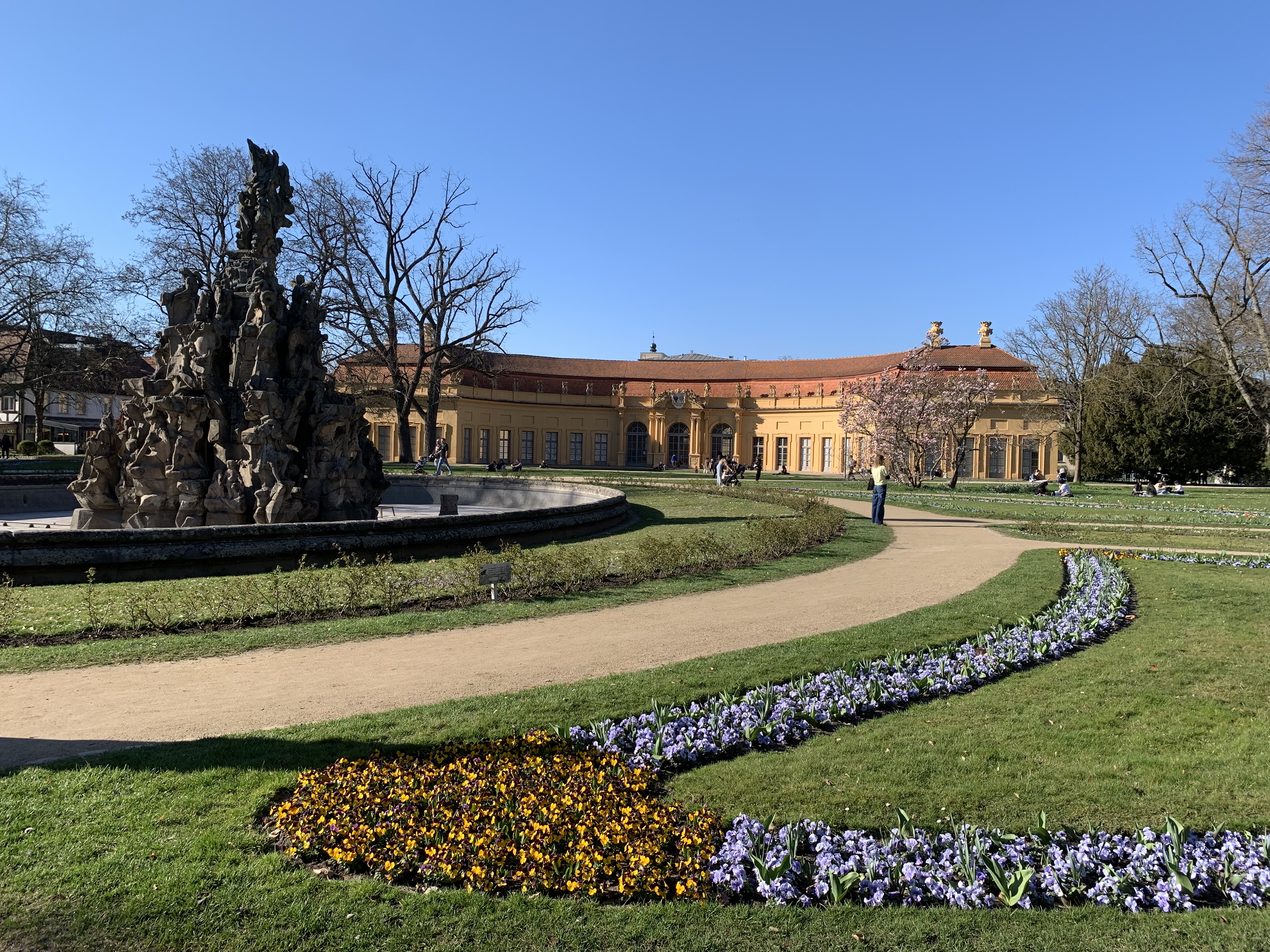
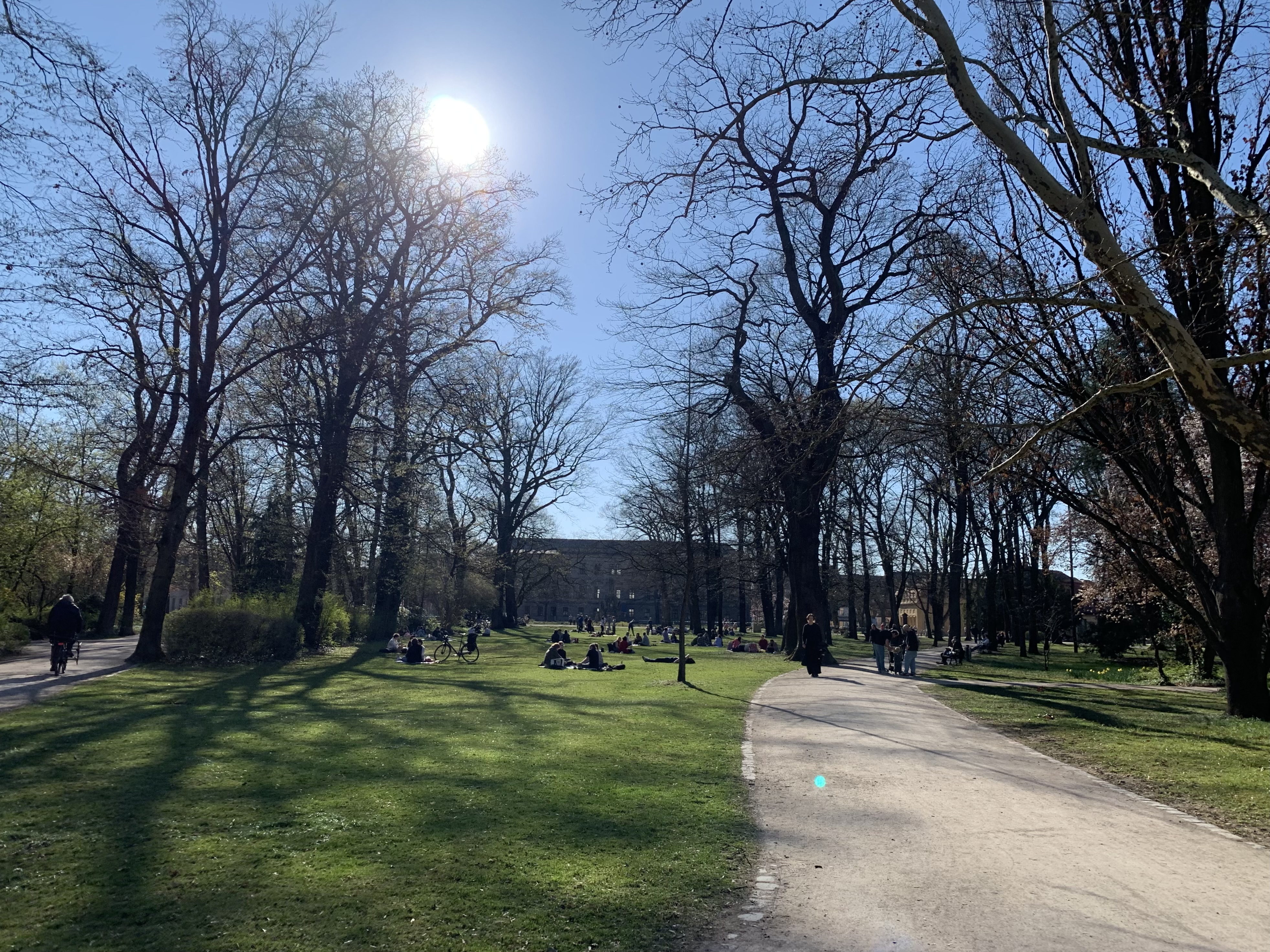
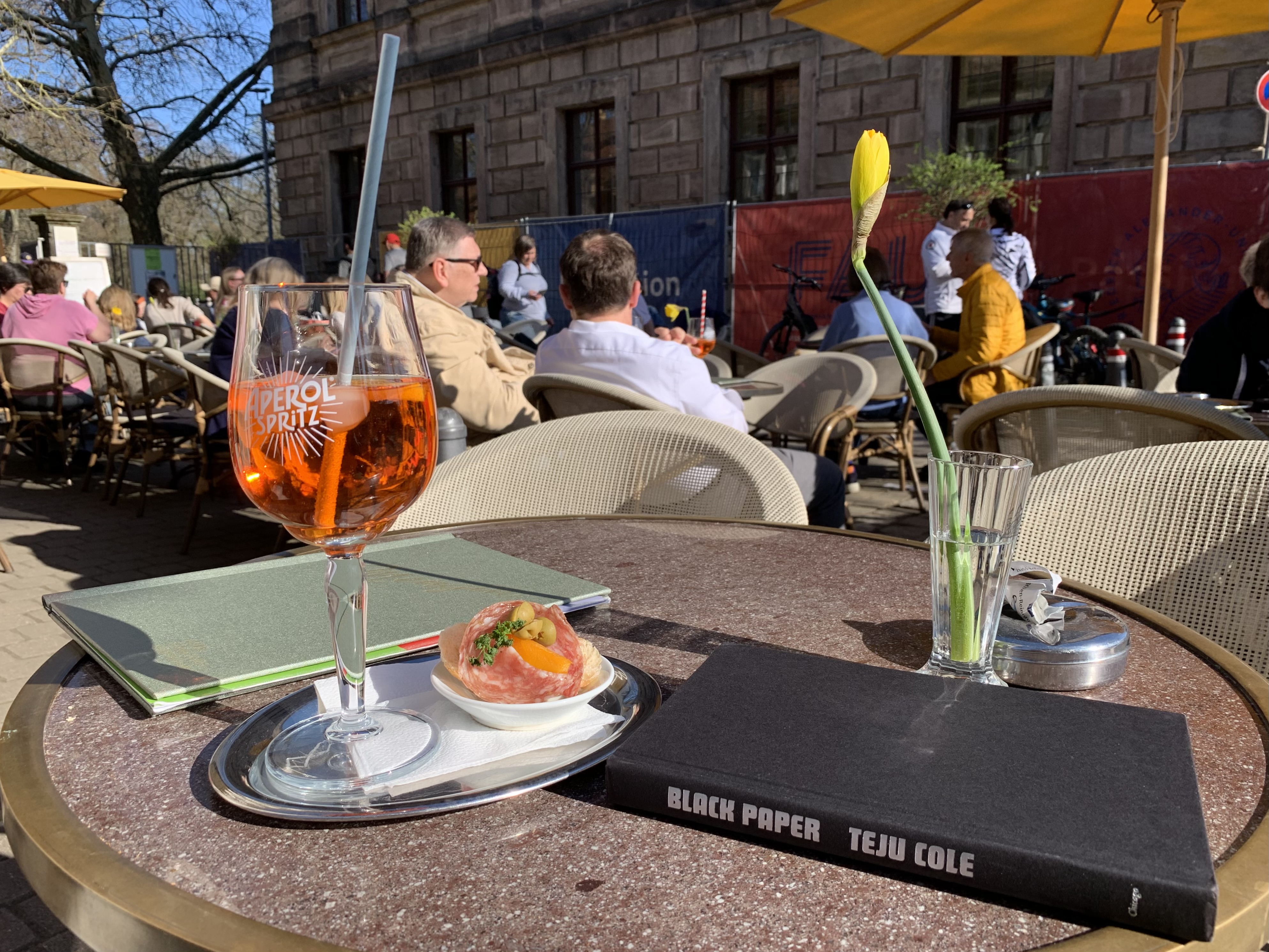
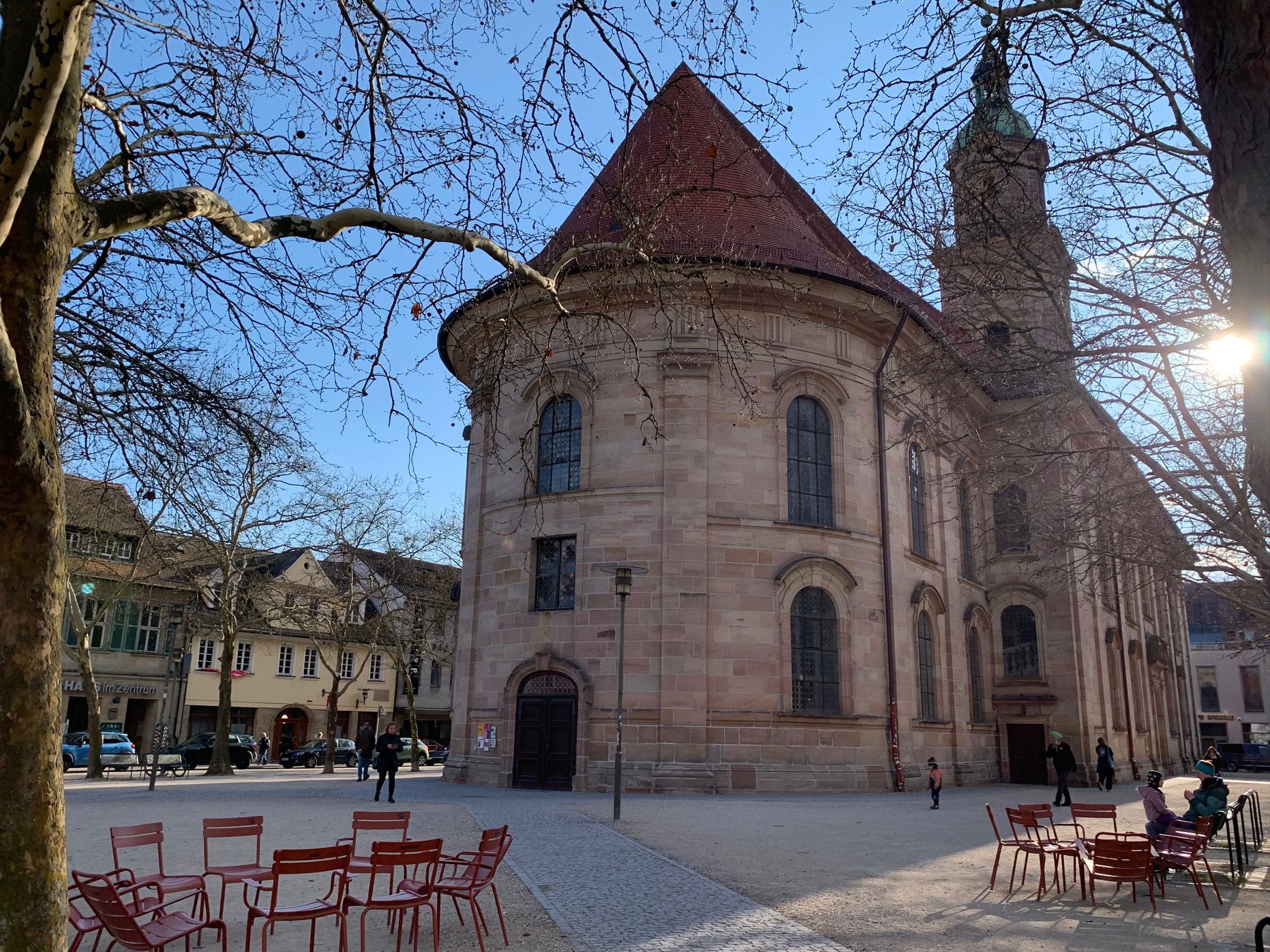
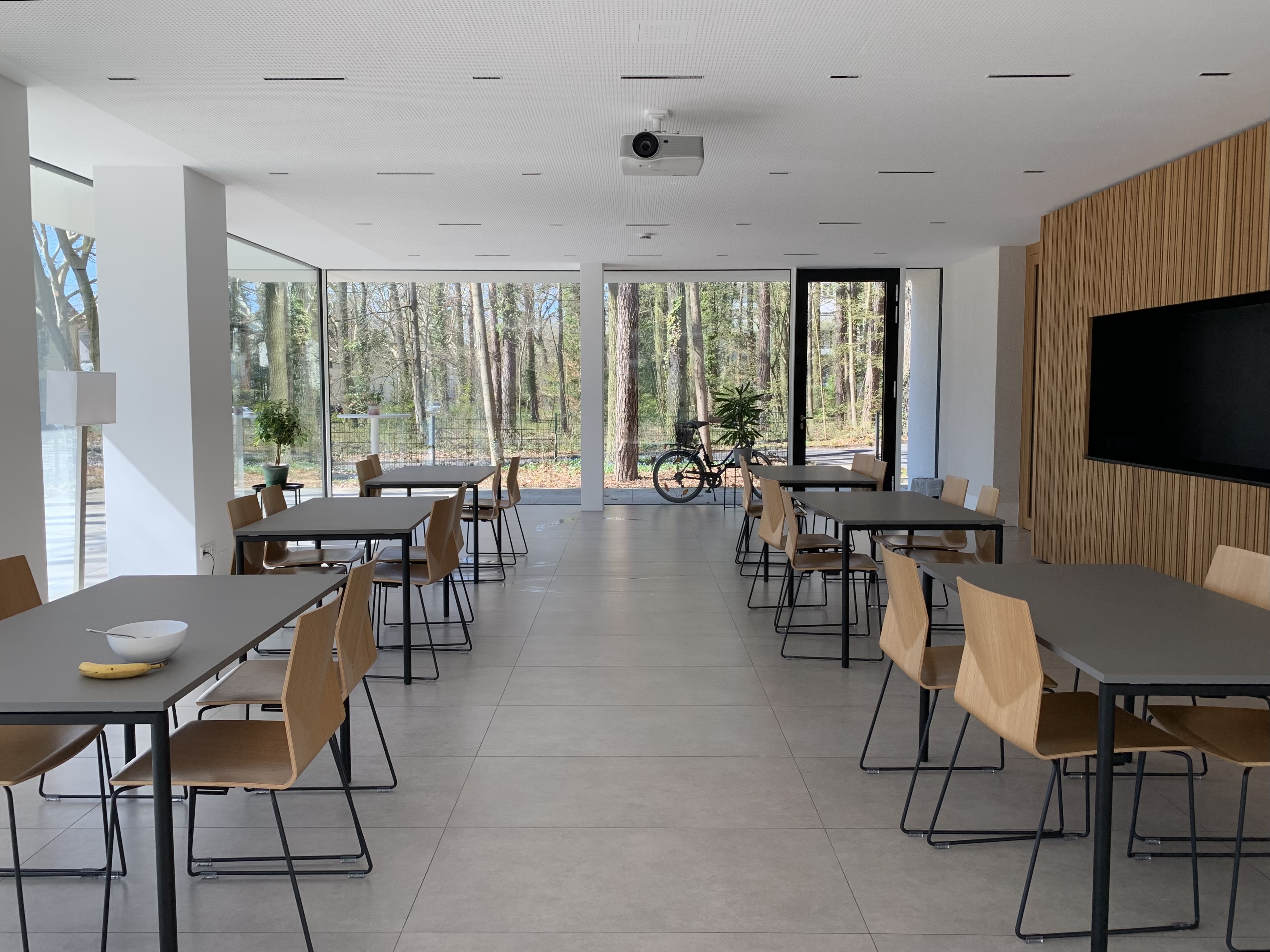
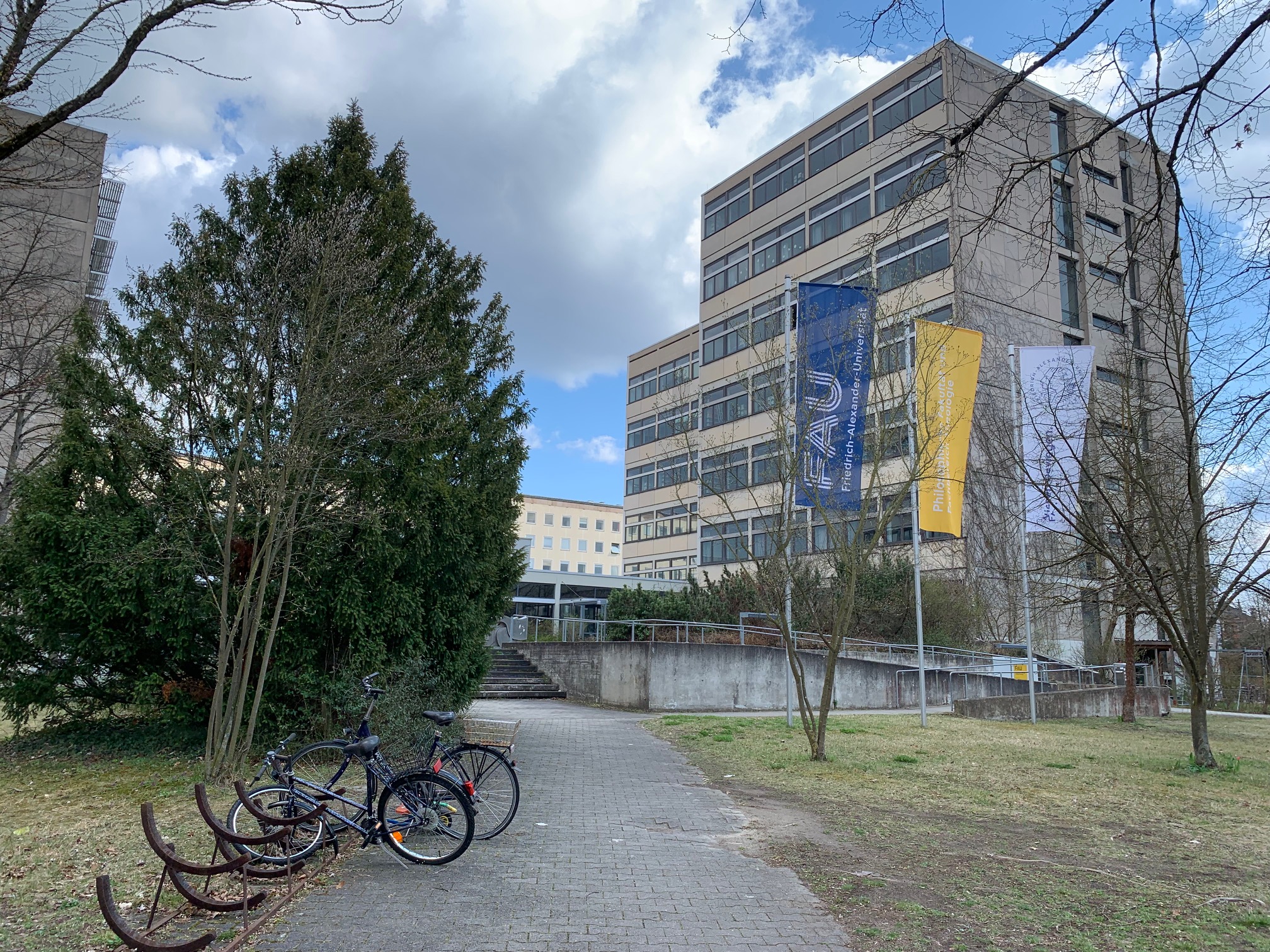
The first few days I spent wandering around the city, reading at the university park, occasionally cocooning myself in cafes to look for flats and register myself with new doctors. I am housed temporarily in a university apartment in #erlangen for international researchers, an overly bright, glass-panelled three-floor building that reminds me of the office in the Apple TV series, Severance; I guess the resemblance is apt because I feel that there is always a certain amnesia involved every time one moves away into a new environment, as memories of the past contest for space with the unfamiliar. There are supposed to be 11 other residents living in the building though I’ve only seen one of them once, after I inadvertently scared him in the common kitchen when I tried to grab some snacks at midnight. He left before I could properly apologize or say hi.

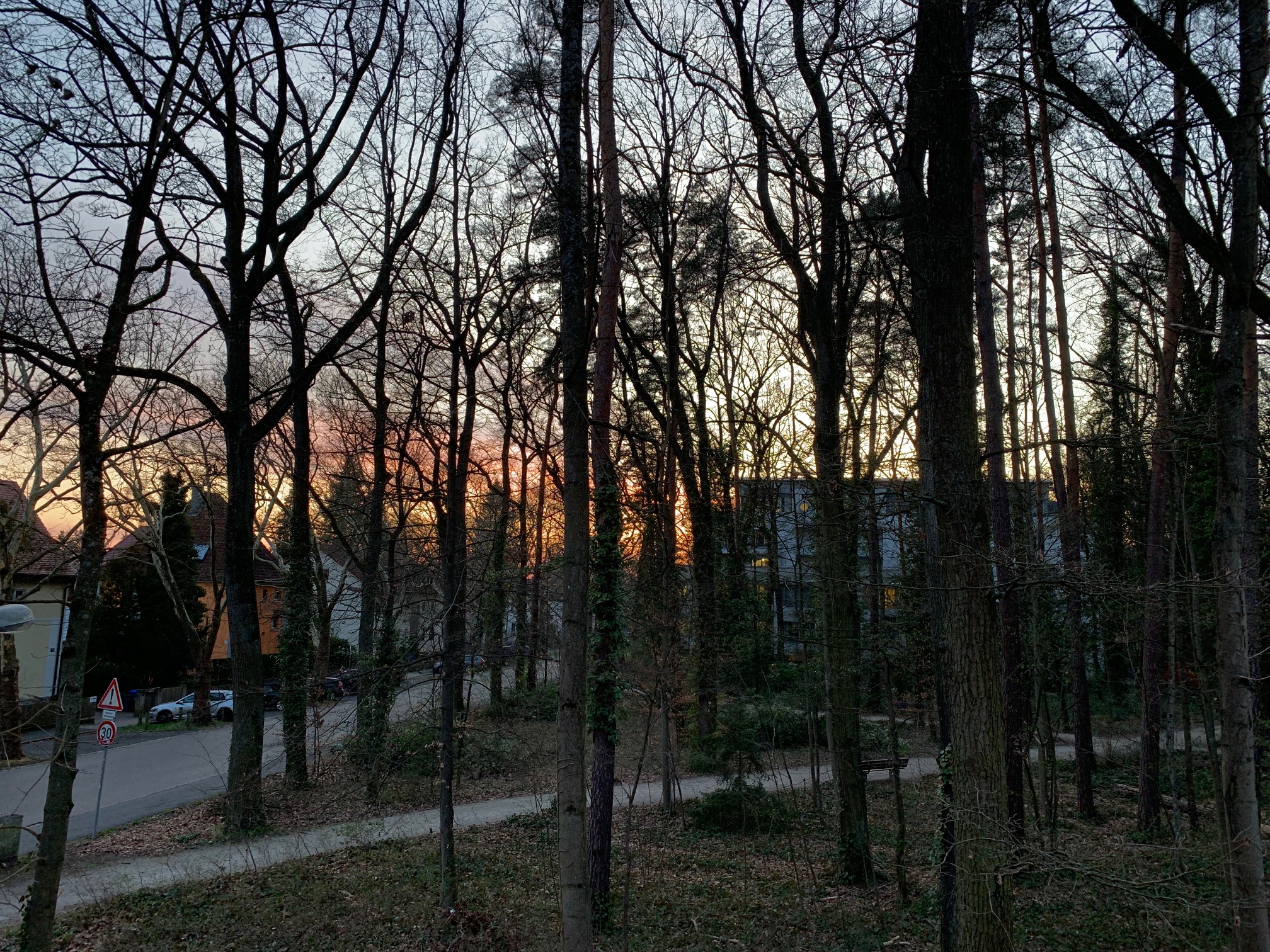
The evenings can sometimes get quite lonely. After the daylight absconds and the anonymous small city charm reconfigures itself into rambunctious gatherings between families and close friends, I get pangs of homesickness – for Berlin or for Singapore, I’m not too sure, though I suspect it’s a little bit of both – but I’ve also found some daily respite wandering north of the apartment into the woods separating Erlangen from smaller villages in the vicinity. I cherish these moments because once I get my keys to the office, and the programme officially begins at the end of the month, a more familiar busy sets in, one that may allow for less introspection. Anyway, sending lots of love to everyone from Franconia, Charles.

Dear [intended], I am writing to say hello and thought I also frame my greeting as a continuation of a response to the fascinating question you posed yesterday, on how Berlant’s work might be politically useful. I guess my answer now isn’t too different from my initial answer to your question, except the words that absconded from me yesterday have perhaps found a more distinct shape today. I still can’t quite remember where I’ve read it from or from whom I’m citing, but it goes along the lines of how revolution isn’t achieved through the utter domination of the opposition but it only truly arrives when you have found an ideological cause that would compel even the opposing soldiers to drop their arms and stop fighting. When Berlant tries to deconstruct the fantasies sustaining hegemonic structures of power and reconstruct a new kind of “commons” from the dissociative middle, I see a similar impulse towards this kind of ideological cause. I am quoting from pages 123-124 here: “when one’s attention is bound to something that organises one’s energy or interest,” it “provides an infrastructure for understanding and moving through a situation or world” and by freeing this “energy and attention,” you can redirect them towards “recomposing the world, causality, and possibilities.” I don’t want to romanticise and over-determine Berlant’s political usefulness and suggest that reading Berlant will translate to material transformations in the sociopolitical realms, especially with a world out there that seems so keen to move so fast with its violence and destruction, but I found the whole notion of ‘unlearning and relearning’ very emboldening against an easy fall into conformity and nihilism, to think about disrupting our attachments to the status quo and slowly feeling our way towards affective foundations that might eventually transcend late capitalist logic. As Nicholas Brown says in Autonomy (2019), “the power of an argument is of an entirely different order from the power of a union. But you can’t have a union without an argument” (182). And for me, Berlant’s work certainly makes a compelling “argument.” Dreaming of another world, [subject]

Dilation

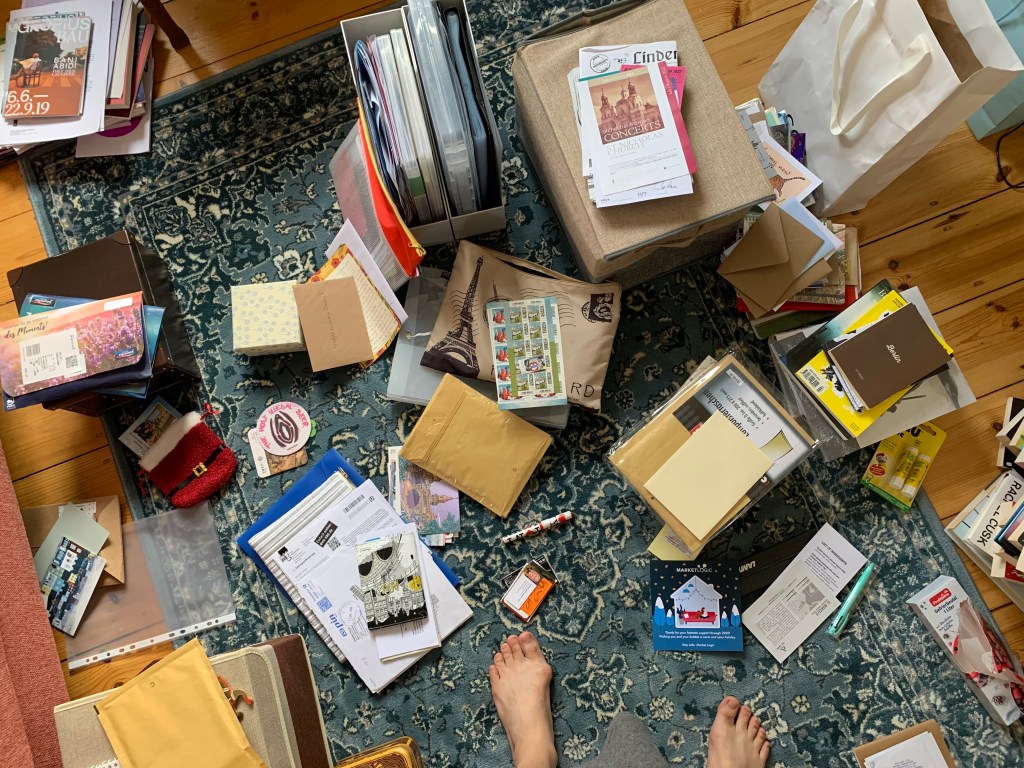
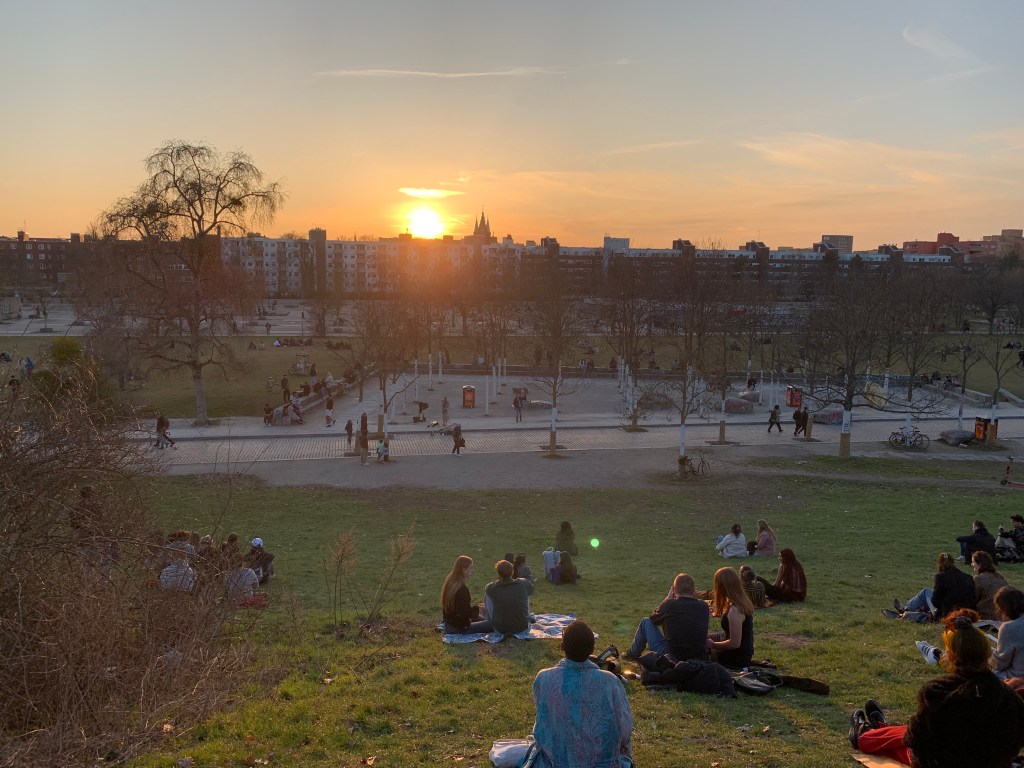
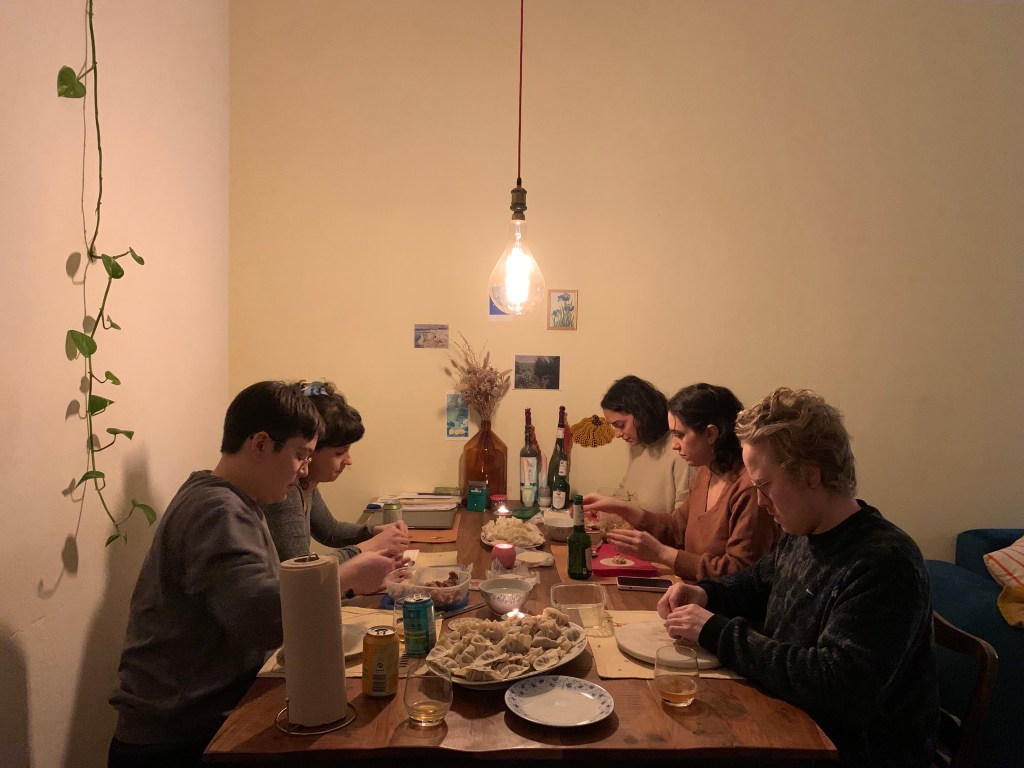
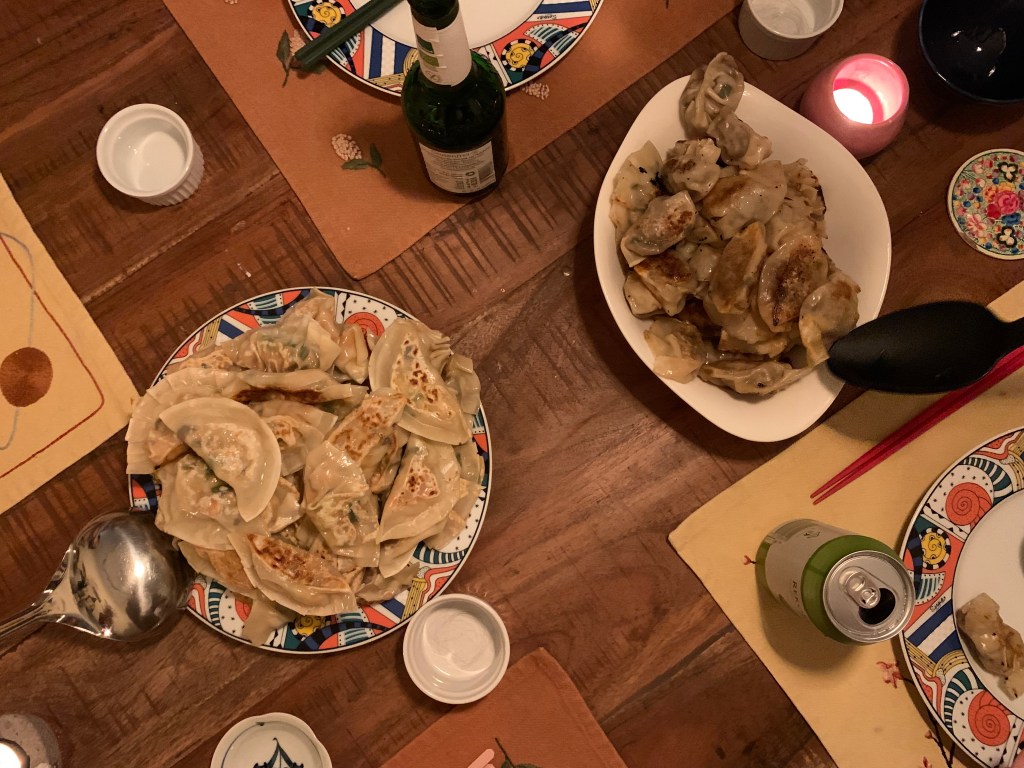
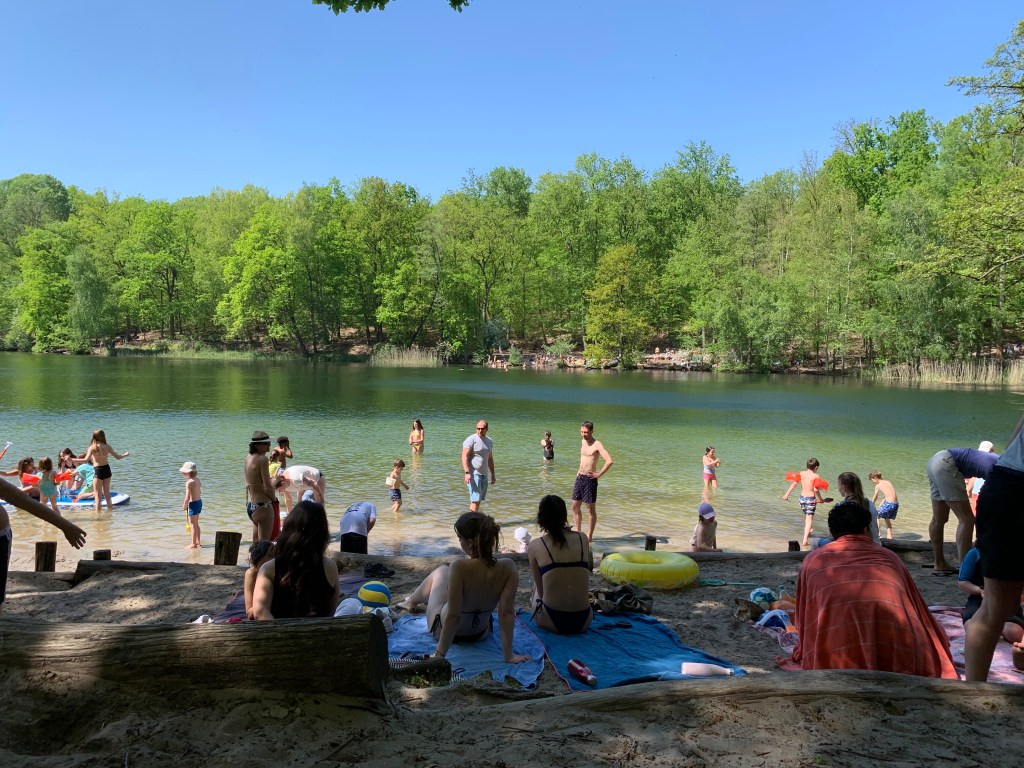
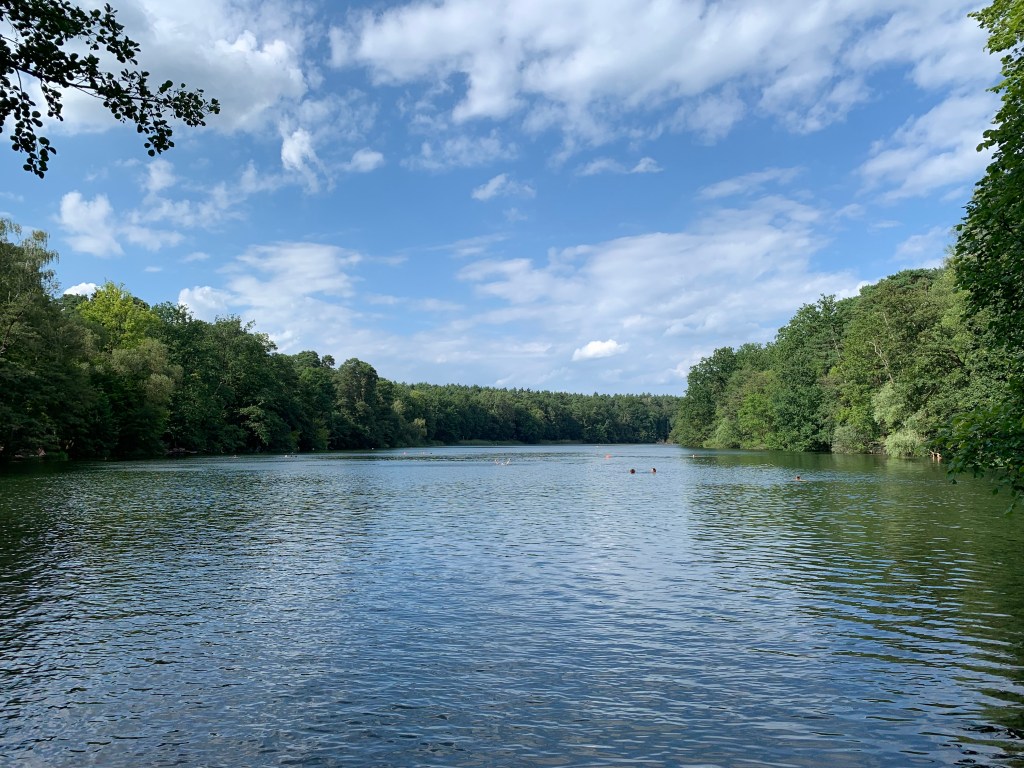
I packed almost 9 years of #berlin life into 7 boxes, 3 backpacks, and 2 luggages. But how do you pack the non-material things, the grey miserable winters alleviated by spontaneous coffee dates and cat cradles, the hilltop view over Mauerpark on dusky evenings, the staggered walk home after a house party, carrying a headache that continues to pulse with party music and lively conversations. And the people? How do you condense the people, the votive flames that keep the temple of my heart lit. How do you keep the light burning on memories? Of their idiosyncrasies, their hopes and dreams, of the moments together when time briefly dilates, like when we sat around the table folding dumplings or laid by the lake to look up at the blue sky as the blackbirds sang?

Over the next few days, I suspect I’ll process these feelings more, perhaps give a better shape to them; it’s not quite like love, not quite like sadness, but something more infinite.

La Chimera

Weeks of unvarnished sunshine gave way to clouds and scattered thunderstorms, bringing about the sudden sense that summer was coming to an end, languid days and sweat quickly unspooling before me to evoke a dread that is not unlike the feeling you get before the roller coaster drops. Out of an instinct to insulate myself against the darkening days, I found myself retreating into a melancholic interiority, burnished by faithful company from raccoon memes, my Nintendo Switch, and the occasional nihilism, the third of which I had sought to escape from by indulging in my Yorck Unlimited subscription. In two weeks of false spring or doomed summer or a hugely misconceived notion of what the weather foretold, I caught about one movie every two days.

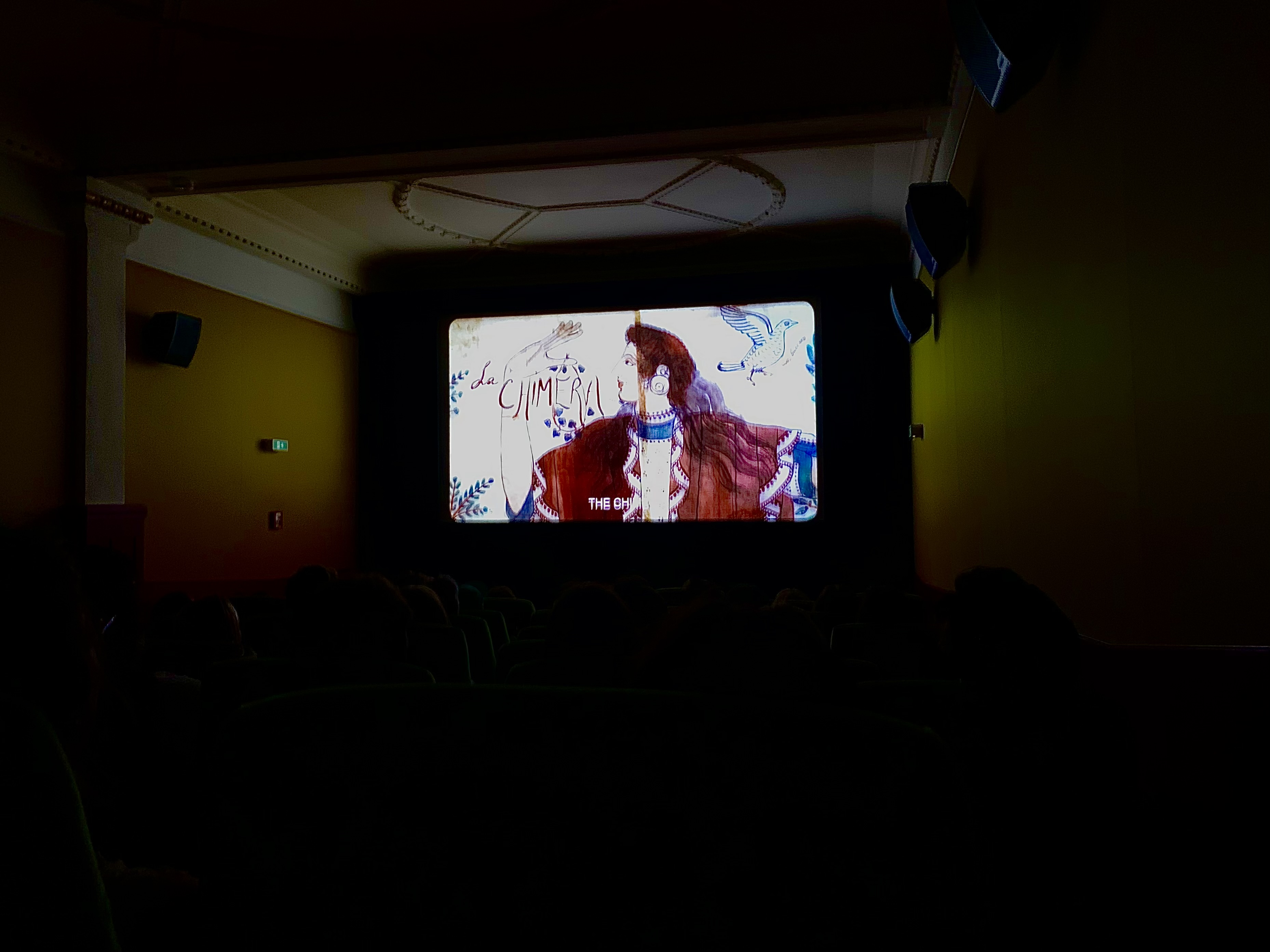
On my 2nd viewing of Alice Rohrwach’s La Chimera, a rare incursion of beauty. The film follows a British archaelogist, Arthur, who in his besotten white suit and foreign Italian accent, looks severely out of place in 1980s Tuscany. Arthur fills his time consorting with a band of local graverobbers to profit and be merry, except we see that he is not really merry. The source of his misery seems to be connected to a mysterious woman, who appears in dreamlike sequences, leaving behind the red thread of her knitted dress which Arthur tries to follow but fails. We later find out that the woman is Benamina, a former lover who has died. Throughout the film, Arthur is continually seized by his memory of her, and the audience is seized by the terrible truth that Arthur can unearth as many Etruscan treasures as he wants, but he can never recover a past forever lost to him. Interwoven with this symbolism of lost love is the myth of Eurydice and Orpheus. To symbolize their love, Orpheus ties a red string around Eurydice’s finger, promises he will find her wherever she goes, even in the underworld. Naturally a lot of the film involves the underworld, the underground digging for totemic offerings, the seedy underbelly of art-trafficking, but its most poignant iteration is also its most literal: towards the end, Arthur gets buried alive. He yells at first, beats his fists against the earth. But then he notices a red thread, follows it into an opening. Emerging from the ground, he sees Benamina and falls into her embrace.

Mid-Spring

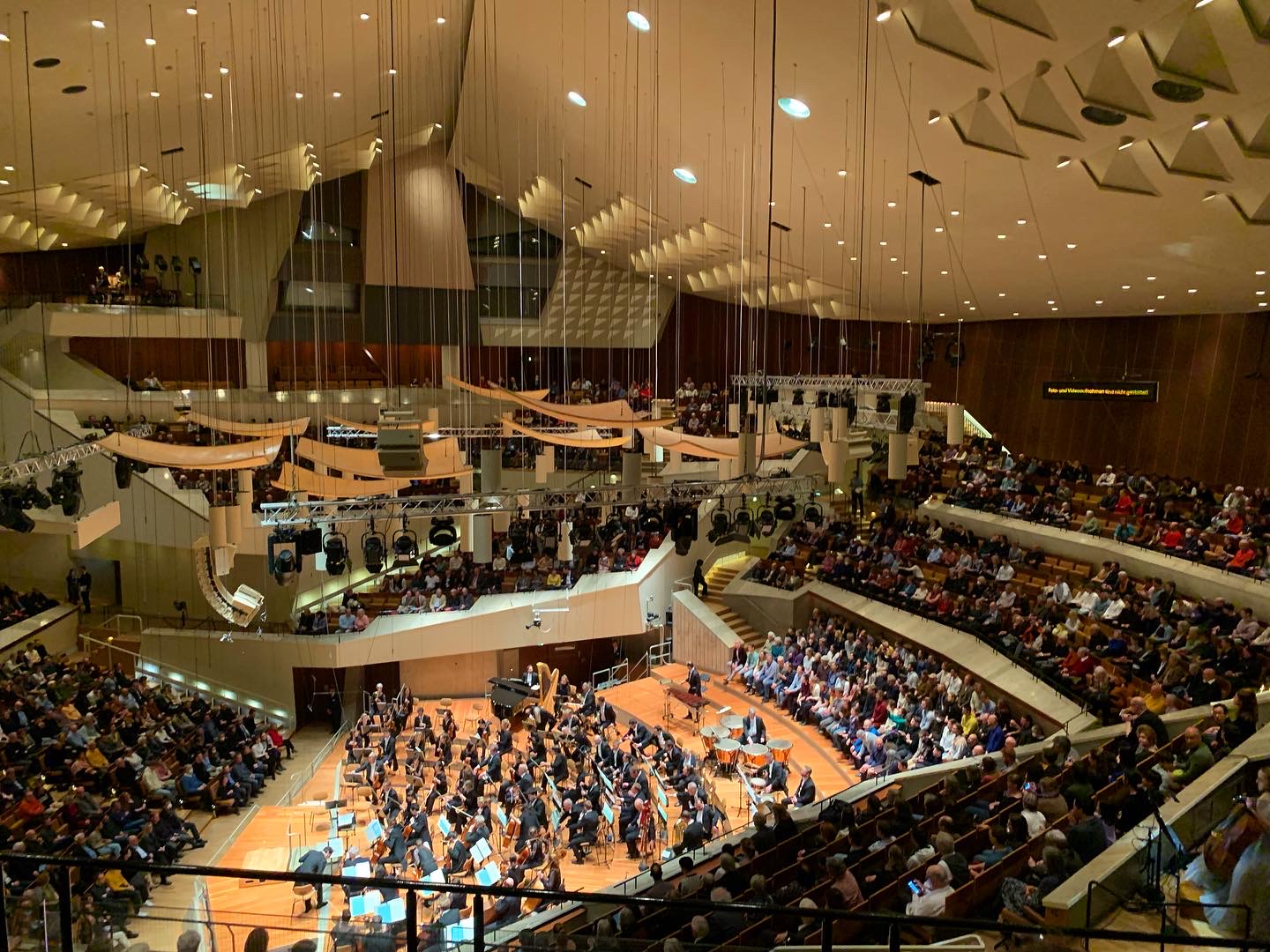
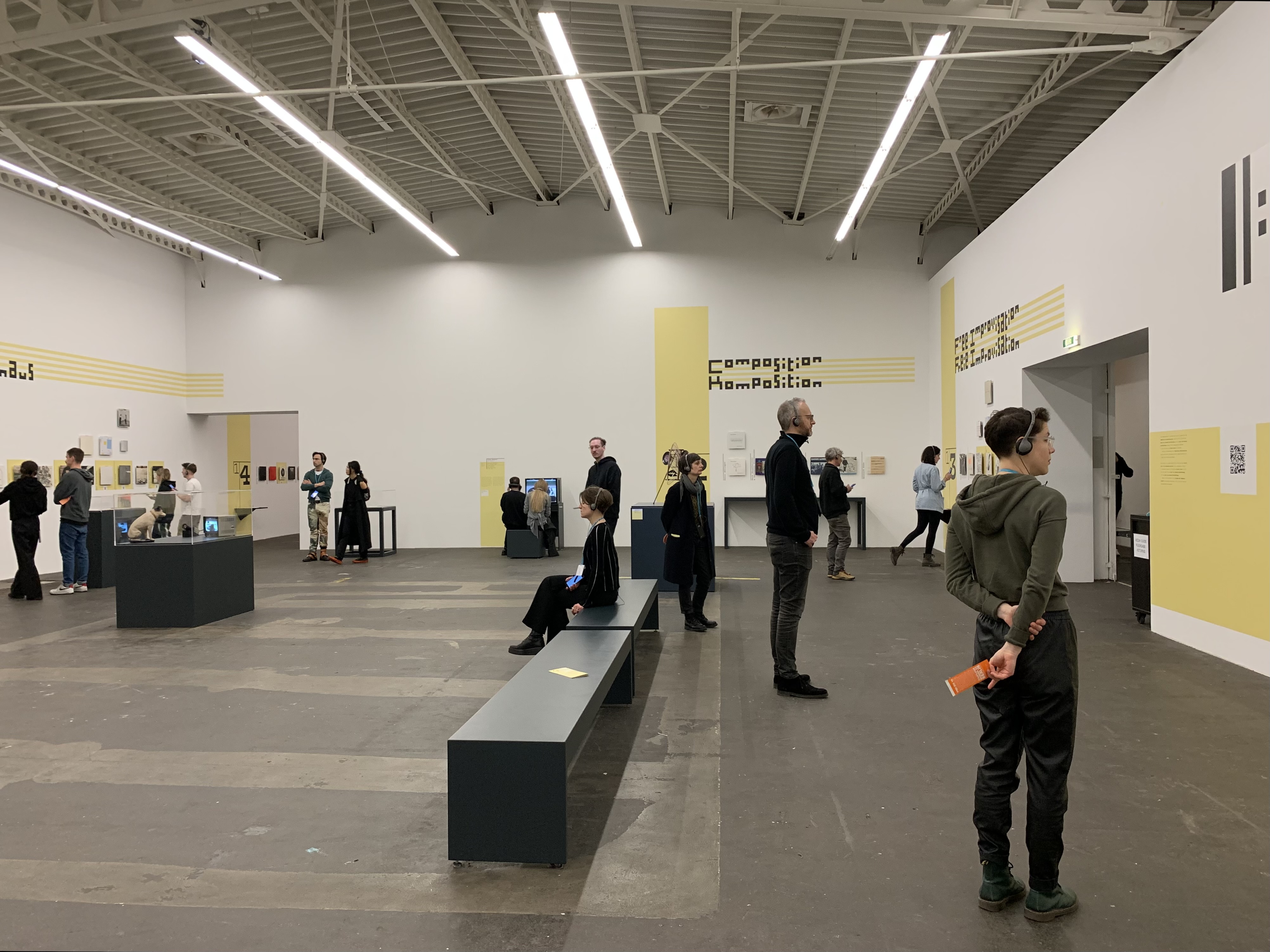
Monday’s weather continued from the weekend’s, the sky forlorn, the rain speckled. After Gil and I parted ways at the Berlin Central Station, I was assailed by a revelation of the emotional fullness of the days, which had began Saturday night with Elgar’s elegaic Cello Concerto at the Philharmonie, later reiterated on screen in the movie, Tàr. With Elgar’s melancholic strings still percolating in my head, I slept fitfully, then woke to go to Hamburger Bahnhof for the abstract, but in my head at least, tortured figures of Christina Quarles’s paintings. I ventured deeper, into a separate exhibition on broken music, charting the history of experimentations and innovations in music for the past few decades. A free audioguide is passed to you, on which you can scan QR codes to listen to the sounds from various curated themes in the exhibition – minimal/maximal music, techno, artists’s labels. I was immediately drawn to John Giorgio, who founded the Dial-A-Poem telephone service at the height of the 60s counterculture movement where a random poem is selected for the caller, usually poems with leftist leanings – anti-Vietnam war, pro civil rights, anti-capitalist. Eventually, it got shut down by the FBI in the 70s, not an unusual act of censoring materials that did not fit the status quo. In the Suicide Sutra, inspired by Buddhist chants, Giorgio’s voice is overlaid several times, each phrase, an echo of the last: “you can’t remember, you can’t remember, where you are, where you are, you have forgotten, you have forgotten, who you are, who you are.” Returning to the Central Station, Elgar’s contemplative tune was acoustically superimposed onto Giorgio’s mournful poetry, along with the visceral visuality of Quarles’s paintings. The overall effect was heavy, not the lightness of being of love and sex and living in the moment, but the vague feeling that all of these things have happened to you before, in a past life or an alternate reality. I took that feeling to Beate Uwe, where I met Fiona for the first time, and danced my heart away.