My compendium of sleepless nights is mostly febrile, drenched in wiki-dumpster diving and inchoate thoughts, relieved only by brief moments of clarity. In one such moment last year I discovered the music of Ghostly Kisses, named after a line in William Faulkner’s poem, Une ballade des dames perdues: “And brush my lips with little ghostly kisses.” The debut album – Heaven, Wait – was my entry point, waxing and waning between heavy synth beats and stripped-down classical arrangements to aestheticise the themes of transition and rebirth, written about reflecting on difficult times from a more grounded present. “Heartbeat” for instance captures the insecurities of young love; “Carry Me” looks at the people lost along the way.
/
I couldn’t sleep tonight. Margaux’s ethereal voice continued to hang softly in the air long after the concert ended. But as dawn broke, I sensed the trees shiver with the anticipation of spring.
Tag: concert
Slow Pulp
Pandemic, about 7 months in. The days accumulate, buried under browser tabs of Covid coverages, JSTOR repositories, Wikihows on dealing with loneliness. Youtube is stuck on perpetual autoplay: sad music, ads, sad music, ads, lofi beats for studying.
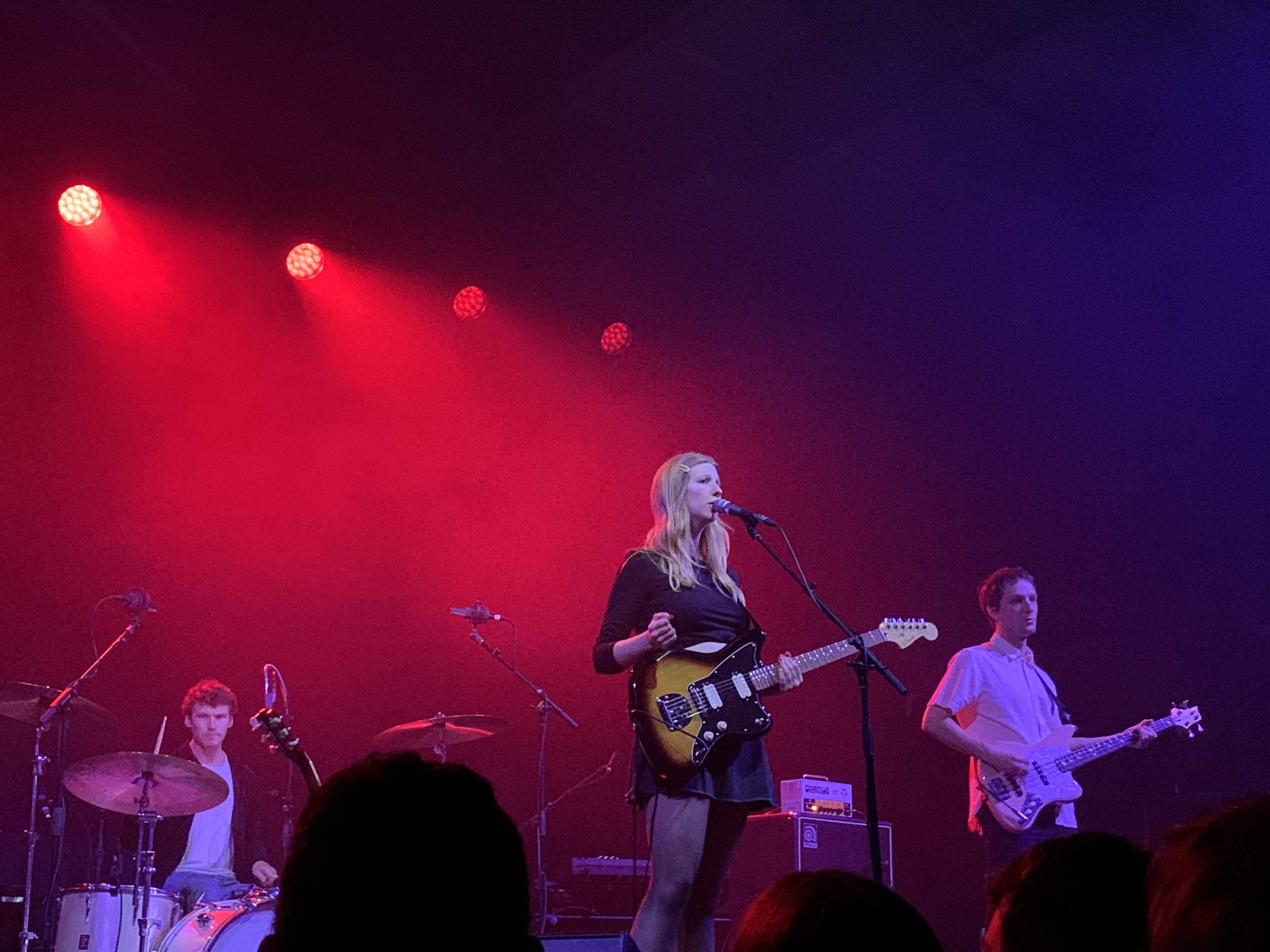
Around this time I discovered Slow Pulp, more specifically their KEXP at Home performance, recorded not long after their debut album, Moveys, was released. Guitars are softly strummed, tambourine and drums merge in beat, Massey croons mournfully. In many ways, the album’s about moving, consciously or circumstantially. Idaho for instance references a mistaken sojourn, Falling Apart tracks life paths sometimes irreversibly altered by the unforeseen.
3 years later, they are touring Europe for the first time. When it was announced, my phone buzzed twice: once for Death Cab for Cutie then for Slow Pulp, hot (sad) music in your area. It’s probably the first time I’ve bought a concert ticket with the opening act also in mind. Listening to Moveys again brought back the feelings of ennui and nihilism that had accompanied lockdown but it also reminded me of the quiet hope and movement you make amid nothingness and despair. Towards the end of New Horse, Massey sings: “I know I’m still getting better/I might come back/I’ll hope for that.” Me too.
 Chan Wai Charles Wong