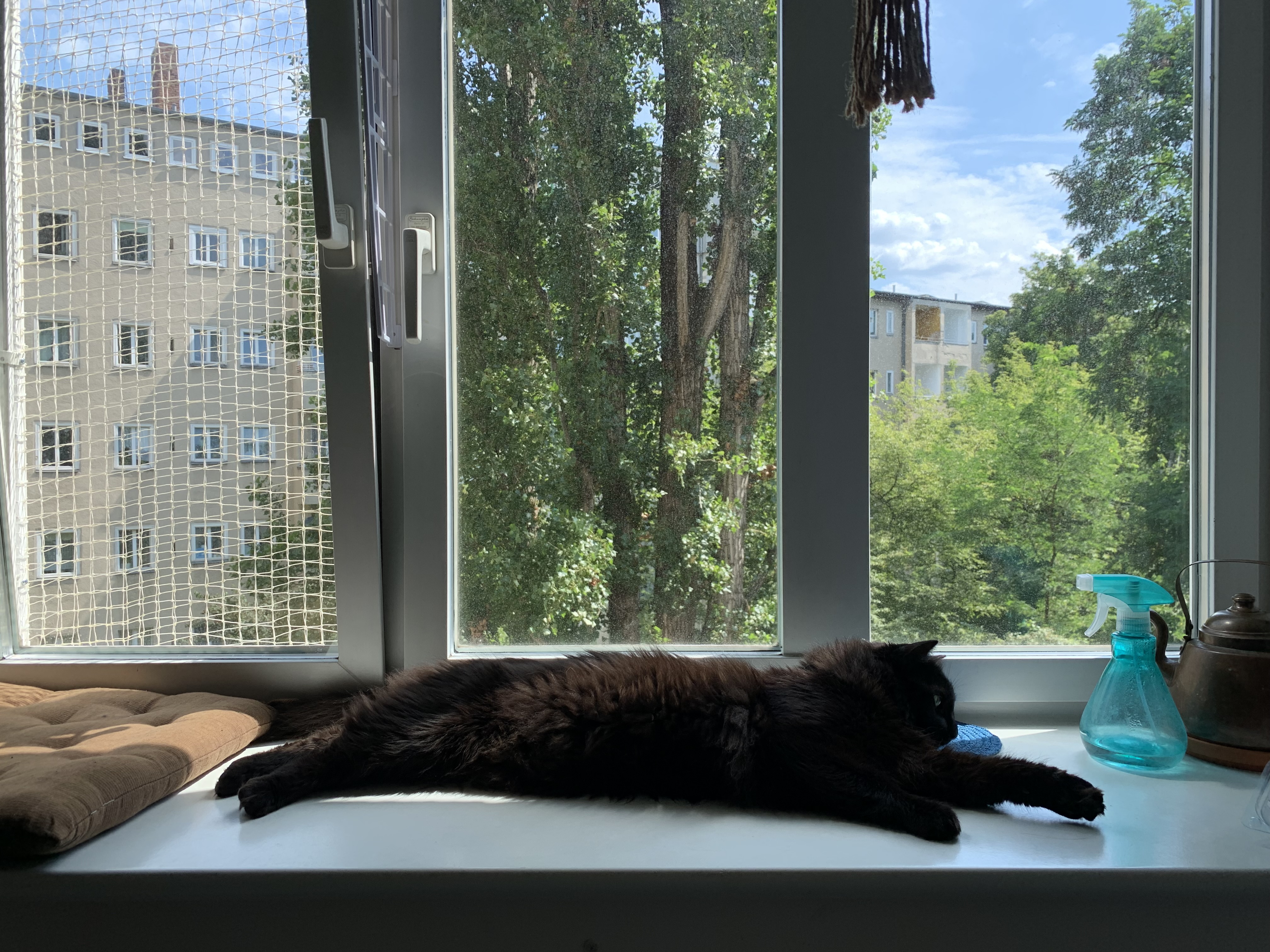
July ends with me thinking about my place in this dying planet, sweaty and flushed in what my phone says is weather 5 degree celsius warmer than usual, as Gobs sits on my face at 6am sharp before he runs off at the sound of his feeder dispensing a fresh batch of dried goodies, leaving me smelling like cat butt and surviving on 5 hours of sleep. Food 1 Charles 0.
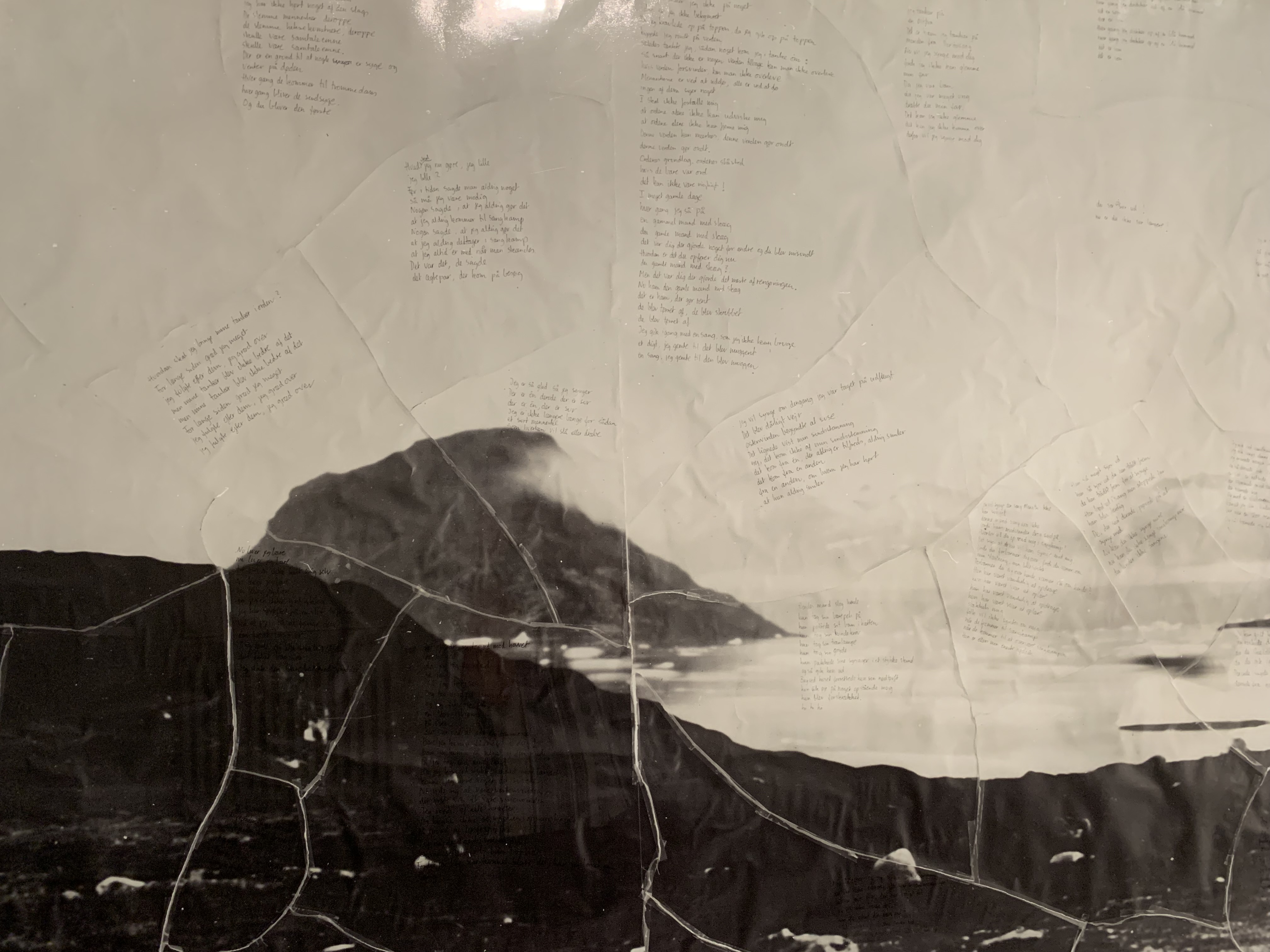
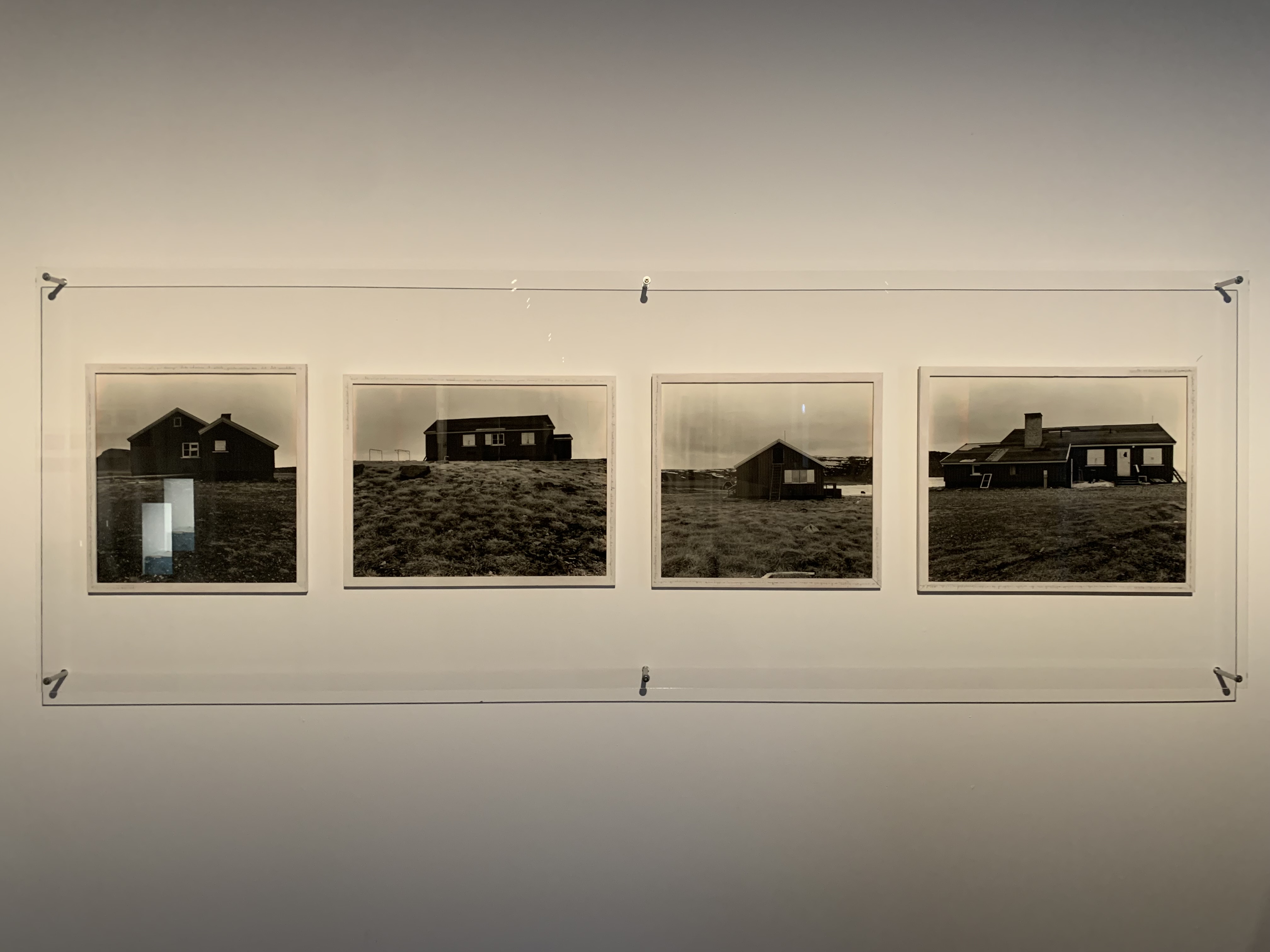
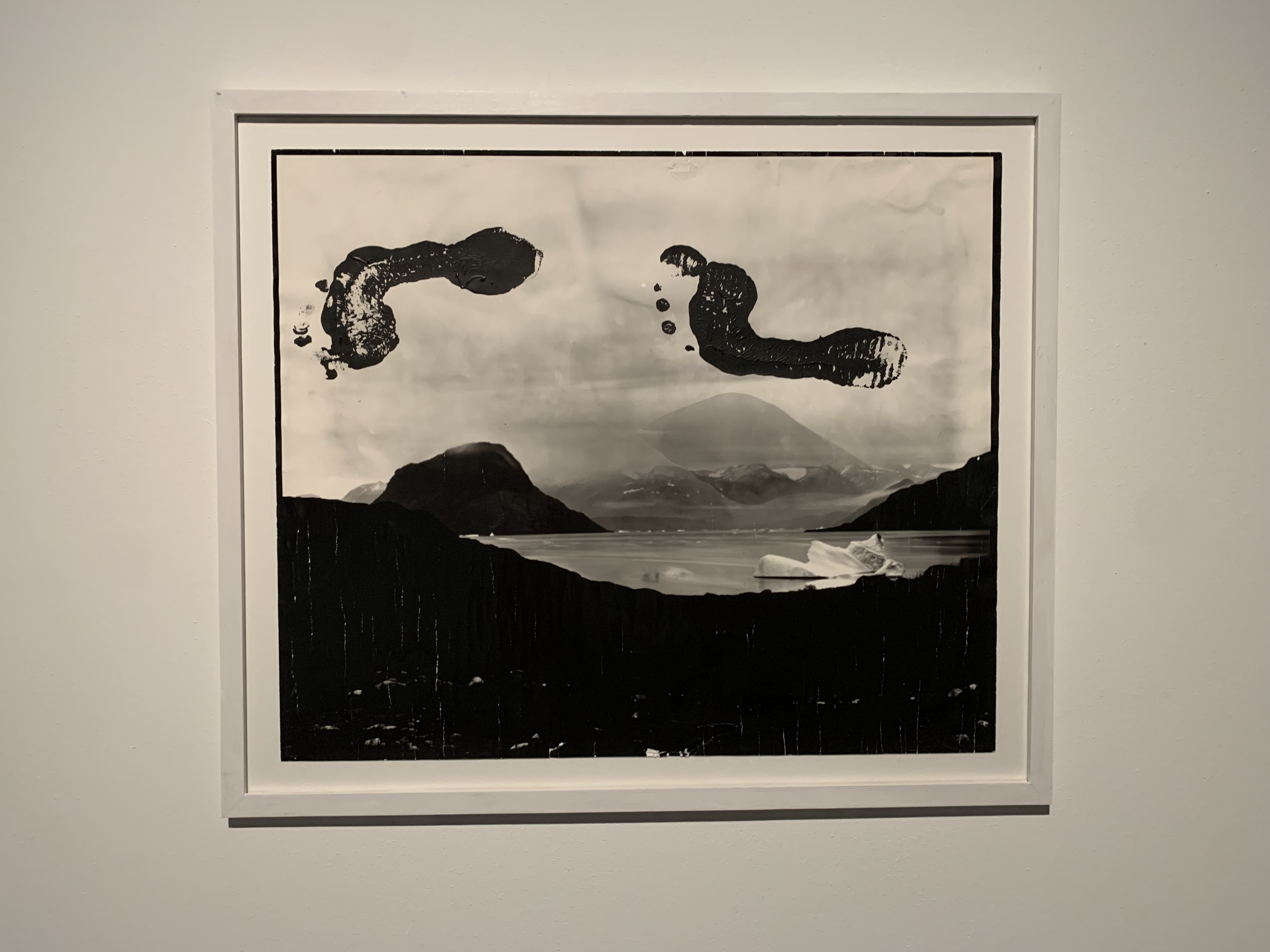
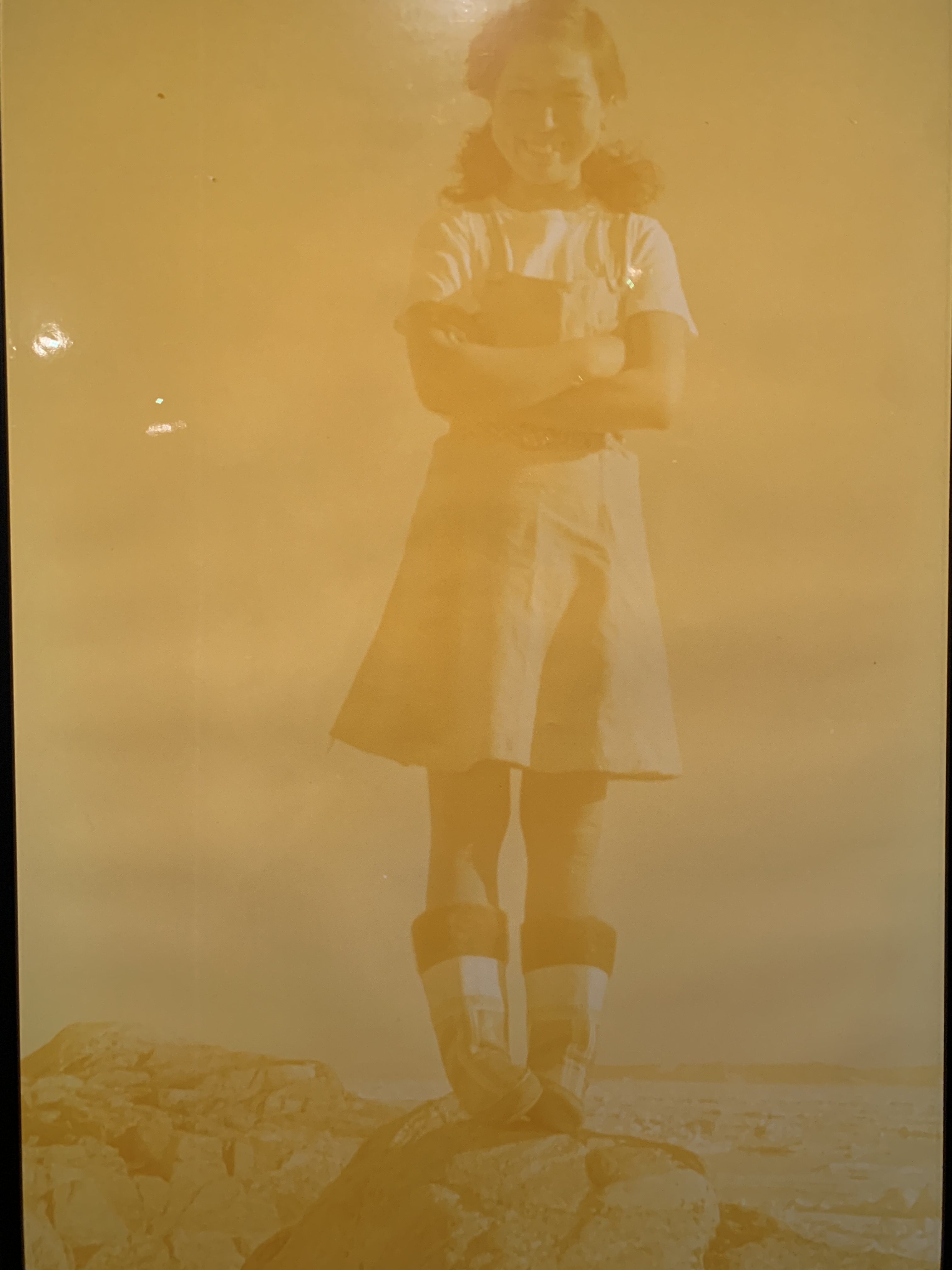
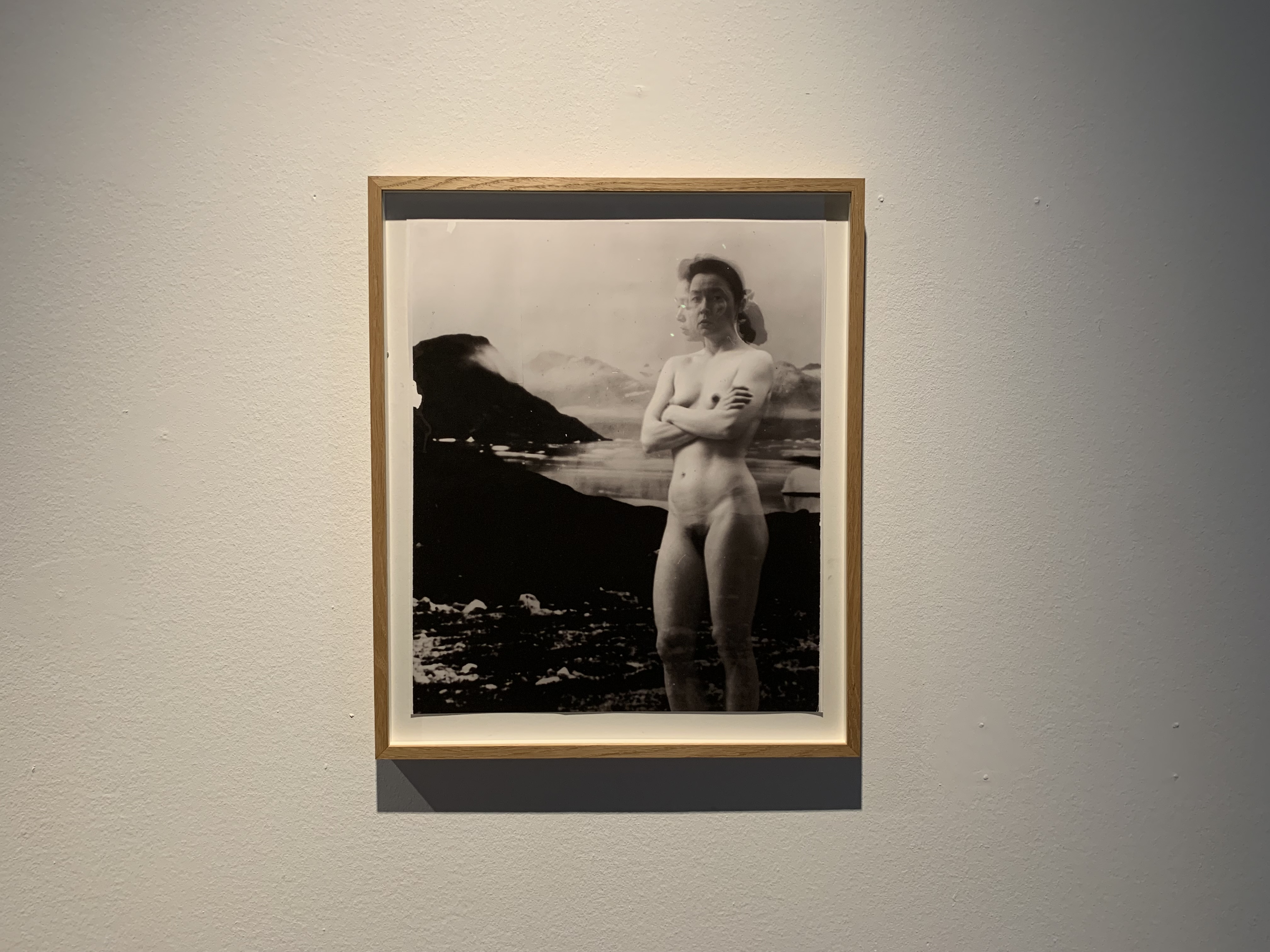
In the opening pages of Ben Lerner’s Leaving the Atocha Station, the narrator goes to the Prado as part of his morning routine in Madrid. Standing in his usual spot is a man looking at Van der Weyden’s Descent of the Cross. The man suddenly breaks down crying, presumably because he was “having a profound experience of art.” This leads the narrator to reflect upon whether he was capable of feeling the same thing; I have never cried in front of a work of art, no matter how brilliant I found it, but at the Pia Arke exhibition at the KW Museum in Berlin, I came close to what was probably a “profound experience of art.” I did not cry, but it triggered something primordial in me, something I can only describe as perfectly captured in Sufjan Stevens’s song, Casimir Pulaski Day, something about the human condition and life, that “[it only] takes [and it] takes [and it] takes.” And that was what I found mesmerizing about Pia’s work: about the colonization of Greenland by Denmark, about her being both an Inuit and a Dane, and not really belonging anywhere, not by choice, but by life’s cruel circumstances. “[And it] takes [and it] takes [and it] takes.” Bit by bit from her Inuit heritage, bit by bit from her Danish inheritance, until she is stripped naked, quite literally in some of her portraits, a lone figure standing in front of a landscape that is pristine only in memory.
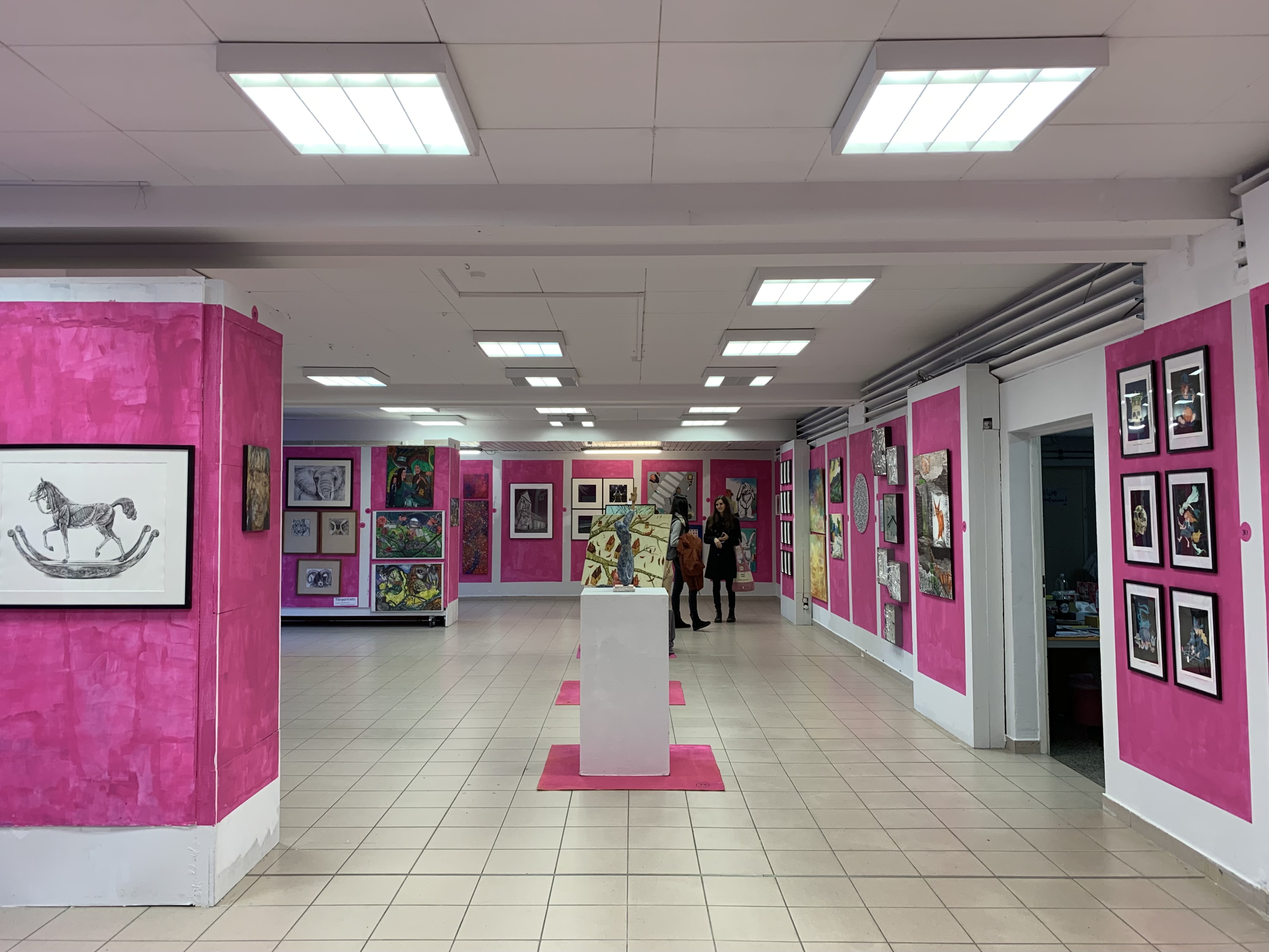
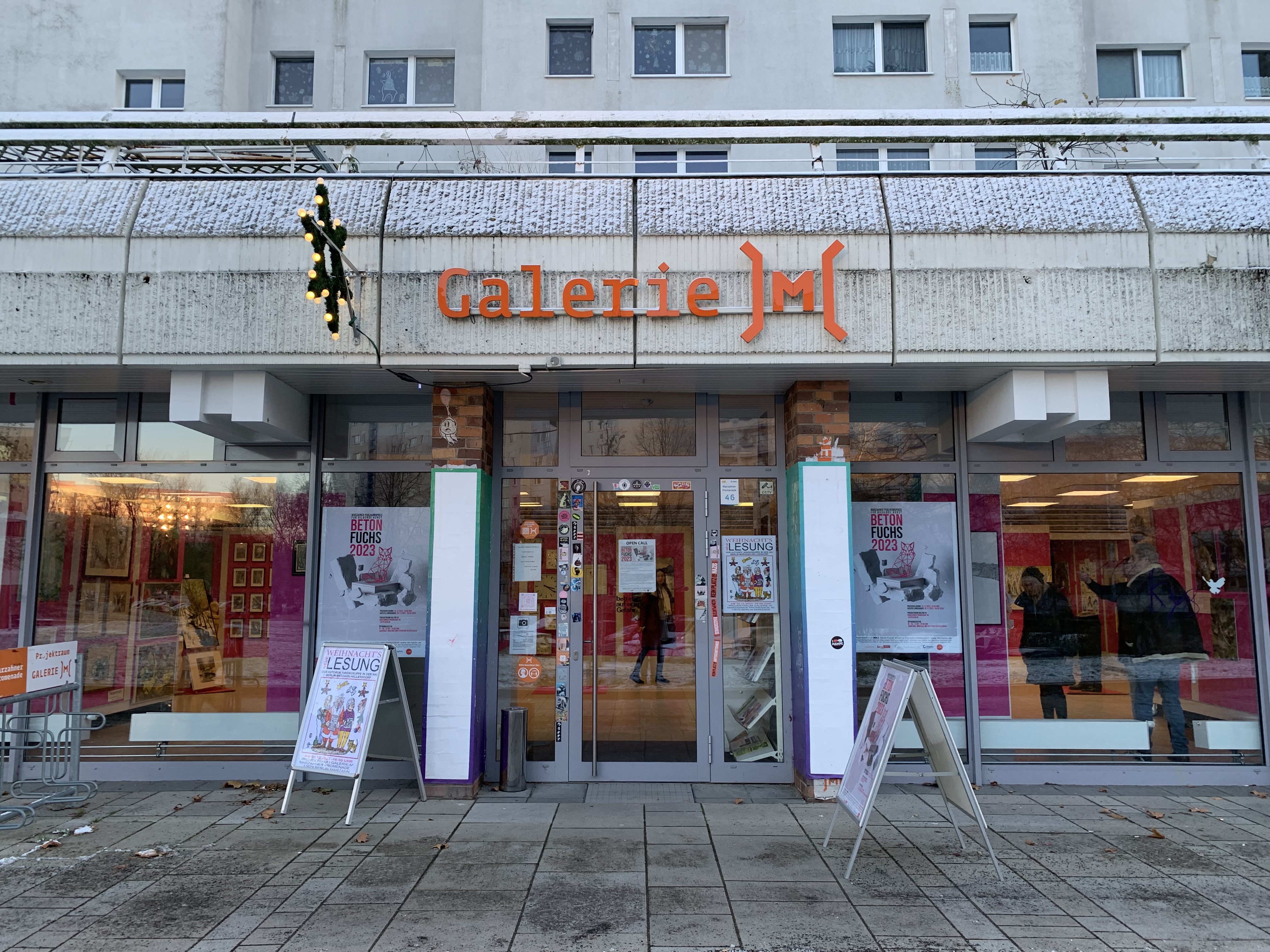
A white space surgically carved into the foundations of a Plattenbau, illuminating the grey. Inside, 77 different artworks vie for the Marzahner Publikumspreis “Beton Fuchs.” The concrete fox. Yes, that must have been what he felt like he was when he entered the gallery, a fox lost in the urban jungle, head lowered, eyes shifty, though looking, looking for something to open up to him, something that would open him up.
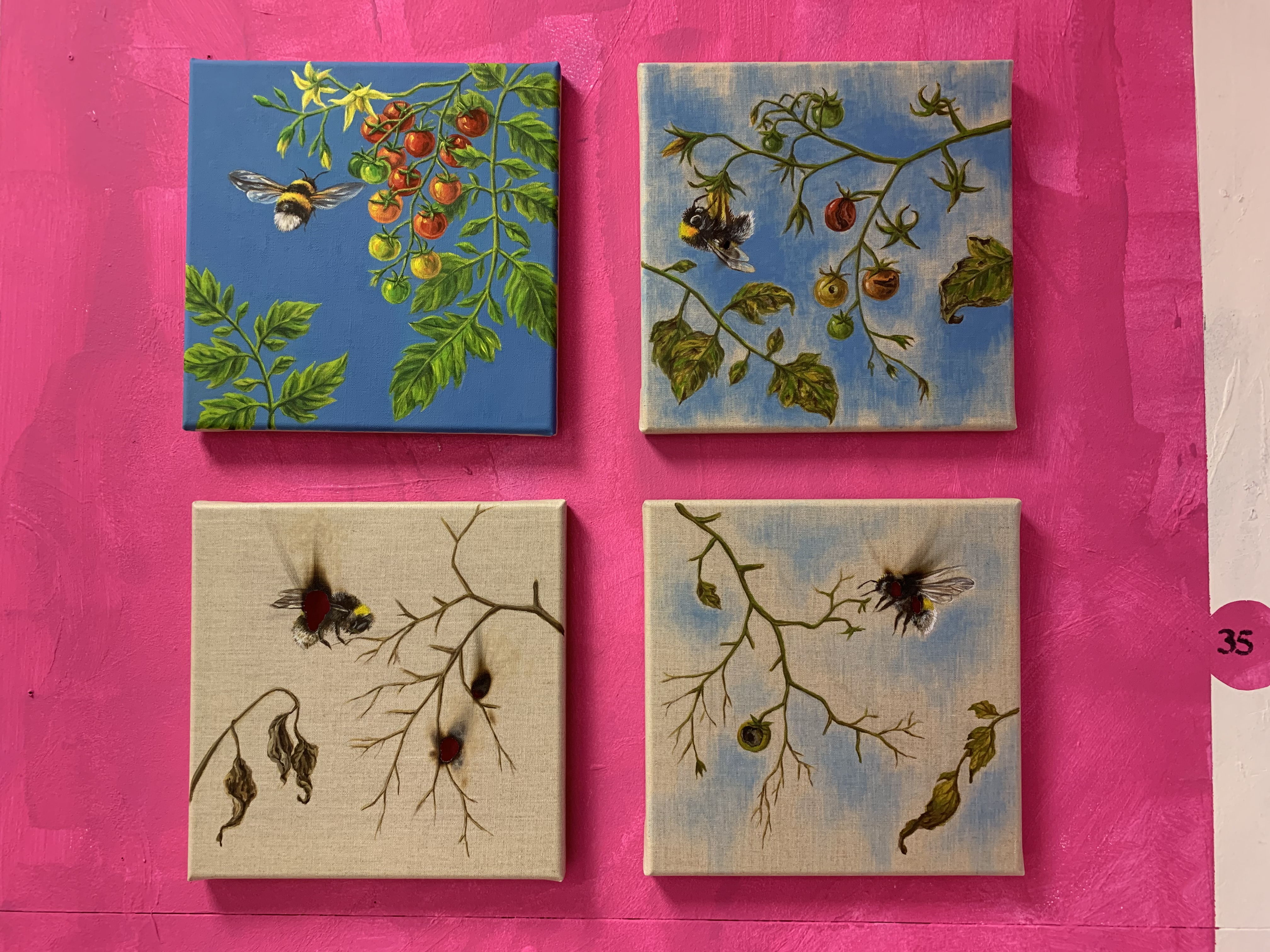
Exhibit #35: Bees pollinating, nature’s blue-collar workers in yellow hi-vis jackets. They die. On the canvas, a hole is burnt through their bodies. The palette dulls. The plants wither.
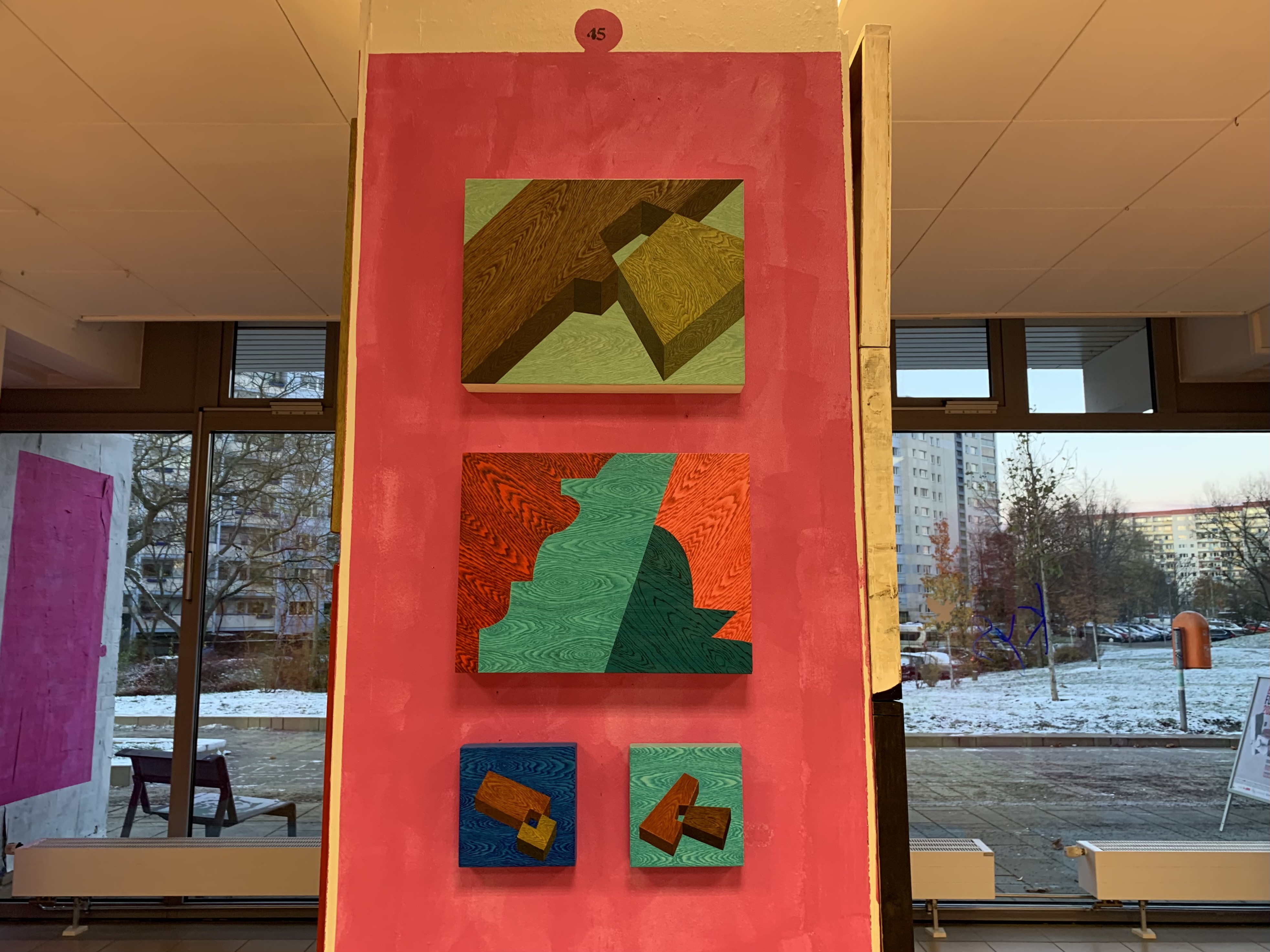
Exhibit #45: Refined wooden blocks, meticulously shaped, colourful backdrops. A miracle of man’s enterprise and manufacturing prowess. But the blocks don’t fit, a gaping hole where nature should be.
He speaks to the two artists. They talk about their art and their motivations. He nods and listens, thinks about his own writing, how futile it is sometimes as the world burns. Yet when he imagines a world without art, without literature, he cannot imagine himself in it.
Projektraum Galerie M opens Tuesdays to Saturdays 12-6pm. Voting for Beton Fuchs has to be done in person and ends on 15th Dec 2023.
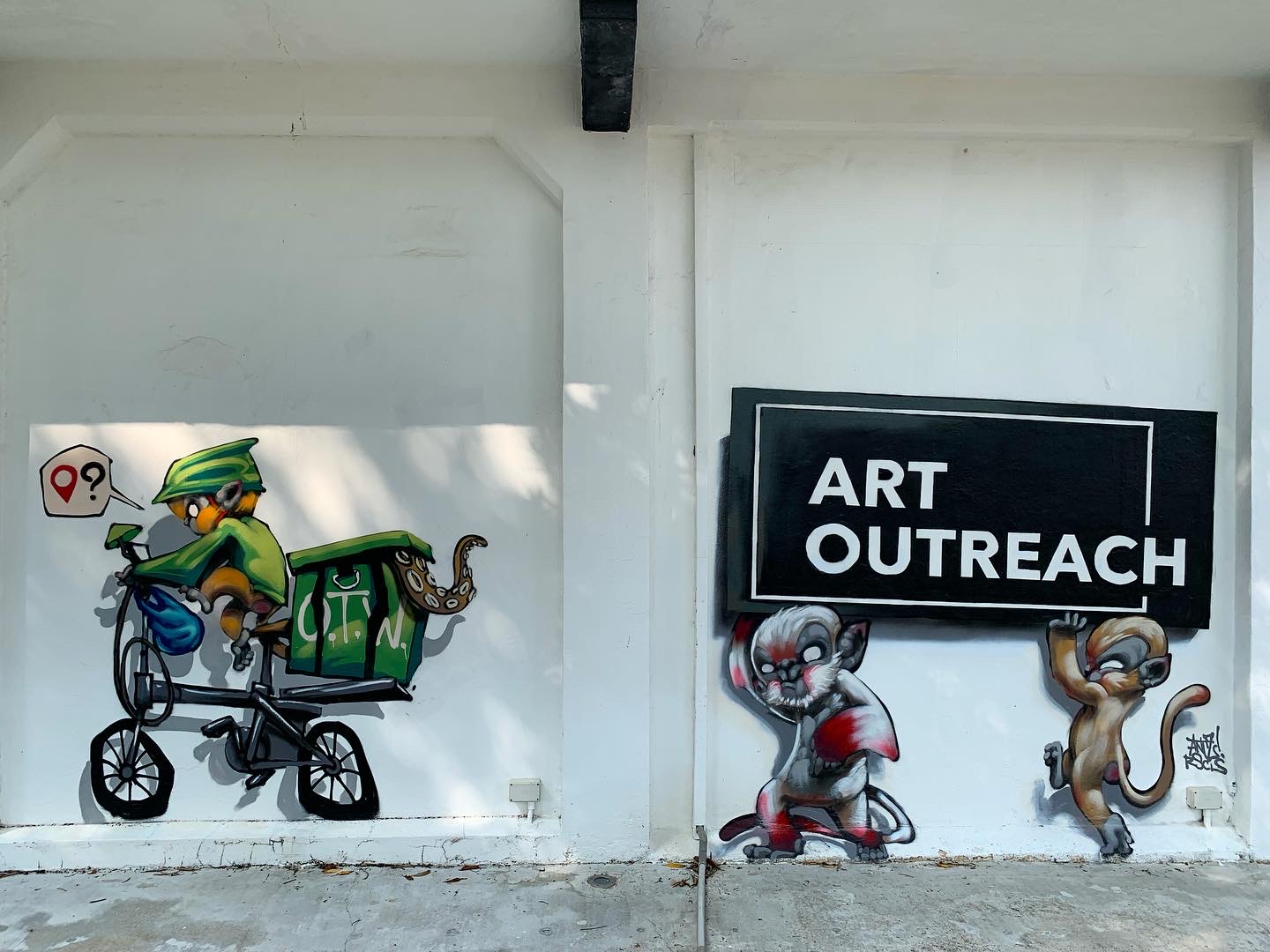
At Gillman Barracks, a gallery assistant explained the Art Outreach to me: “non-profit, art not just for consumption.” But then he shook his head, “I think it’s hard for Singaporeans to appreciate art outside of consumption. They come just once, take a few pictures, and leave.” He asked me what I thought and I said that I agree though I also confessed to having an image of #singapore that is 7 years dated. Once rife with socio-political iconoclasm, my preoccupations with the little red dot nowadays are mostly familial – I overeat to make up for lost time, milk nostalgia out of a rapidly changing city. Each time I leave, I feel immense sadness, but quietly too, I detect excitement in returning to the inchoate mess of a life I’ve forged for myself. I think about my 160×200 bed with the cheap bedsheets and my six pillows and giant teddy bear, about cleaning my fridge and then going out to buy enough ingredients to make a big pot of chicken congee. I think about acquaintances, friends, lovers, those inbetweens and those not-yet-to-come.
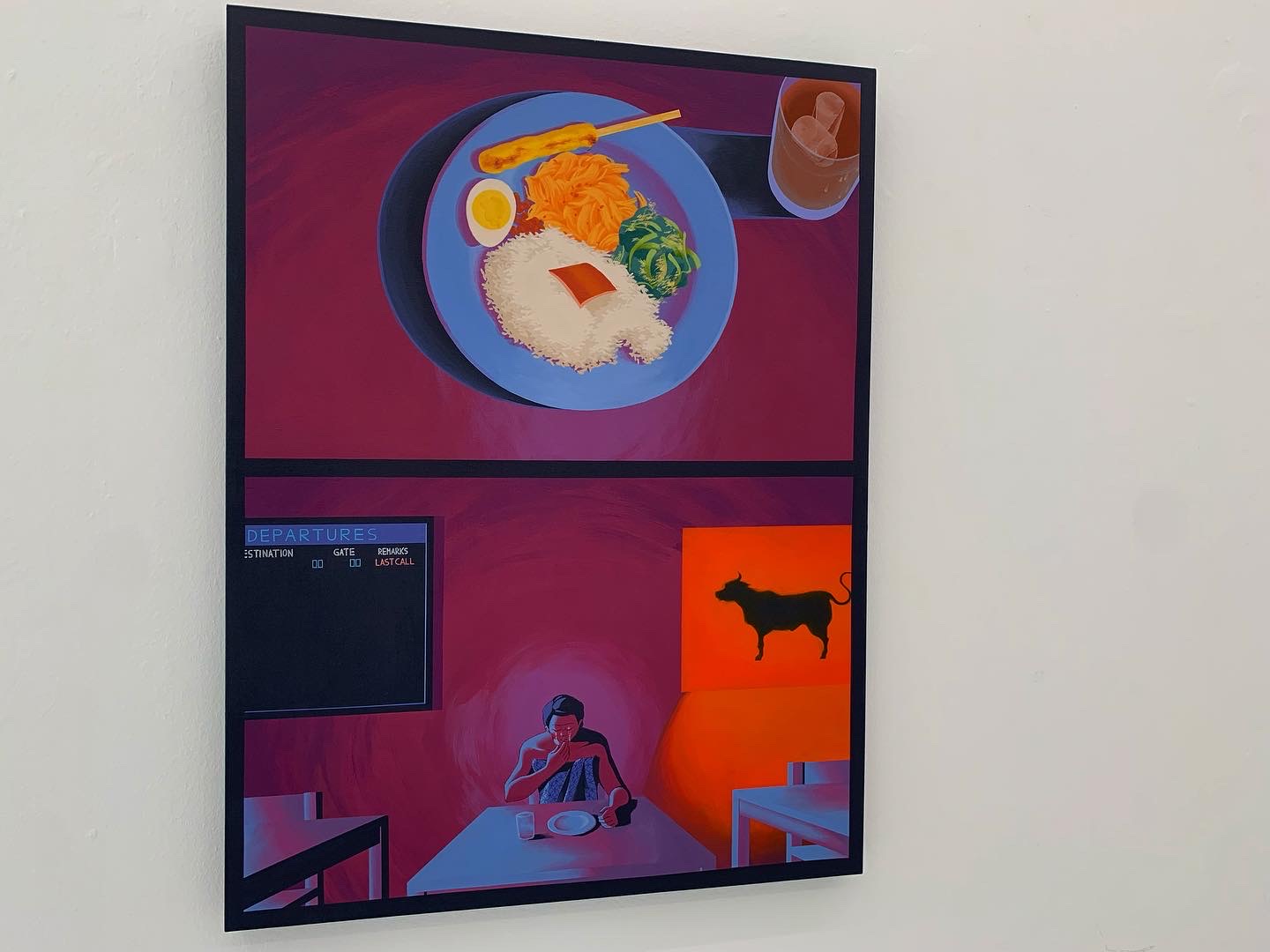
A day before my flight back to Berlin, I returned to Gillman Barracks. At the Homecoming exhibition by Pucuk Cemara, I lingered around one painting in particular. A person wrapped in a sarung sits in front of an empty plate, presumedly after having finished their nasi campur, an Indonesian rice dish paired with iced tea that is commonly served in a warung, a small, usually family-owned eatery. The joy from a hearty, homecooked meal is glaringly absent. Instead, the person is solemn, mournful even. In the background the final boarding call flashes ominously, one last chance to stay… or go. I did not return to the Art Outreach that day. Was I, in that manner, more Singaporean because I did what the gallery assistant had feared? That I took a few pictures and never visited again. Or did it make me more of a stranger playing out the inevitable transience of touristing?
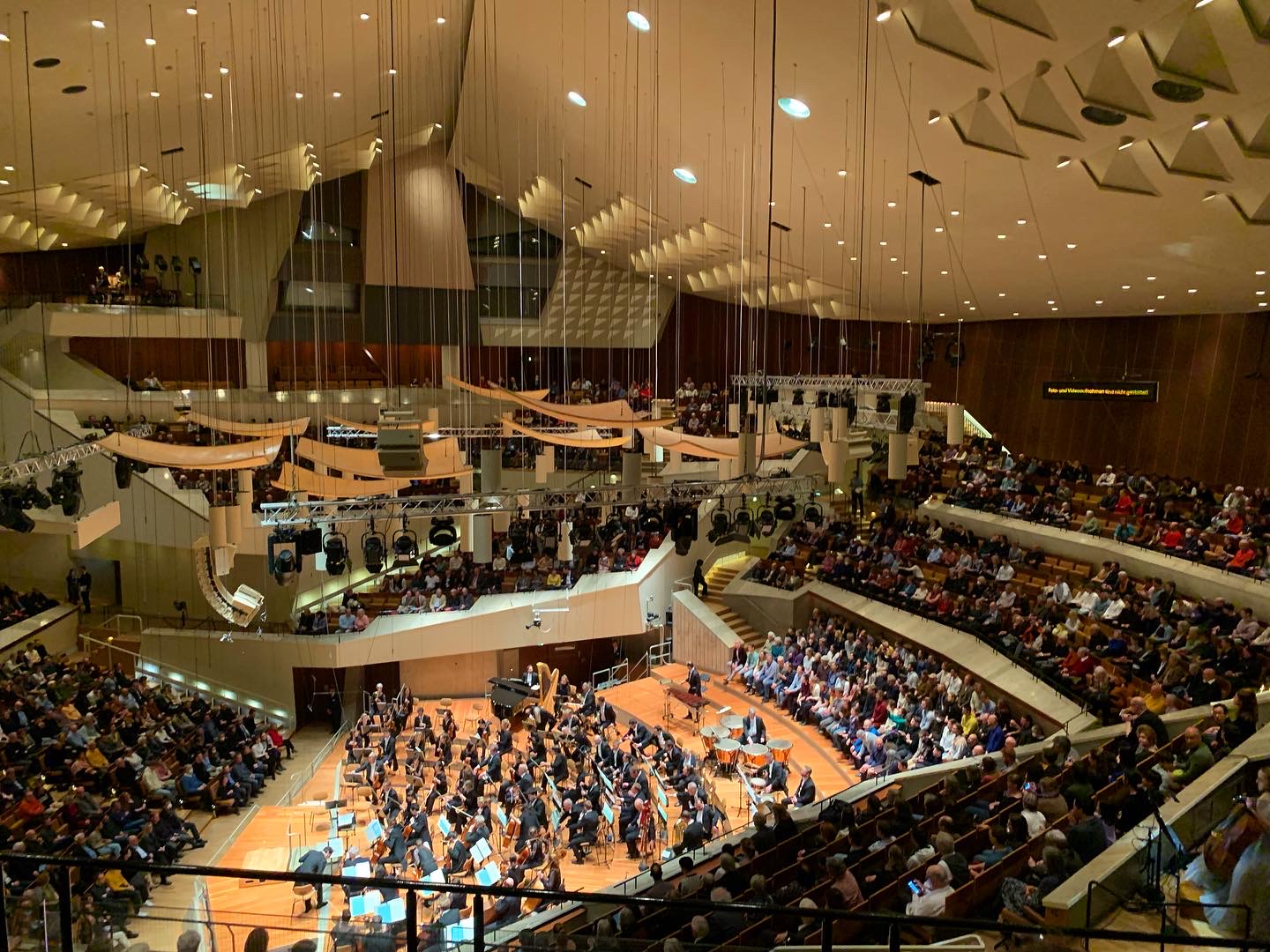
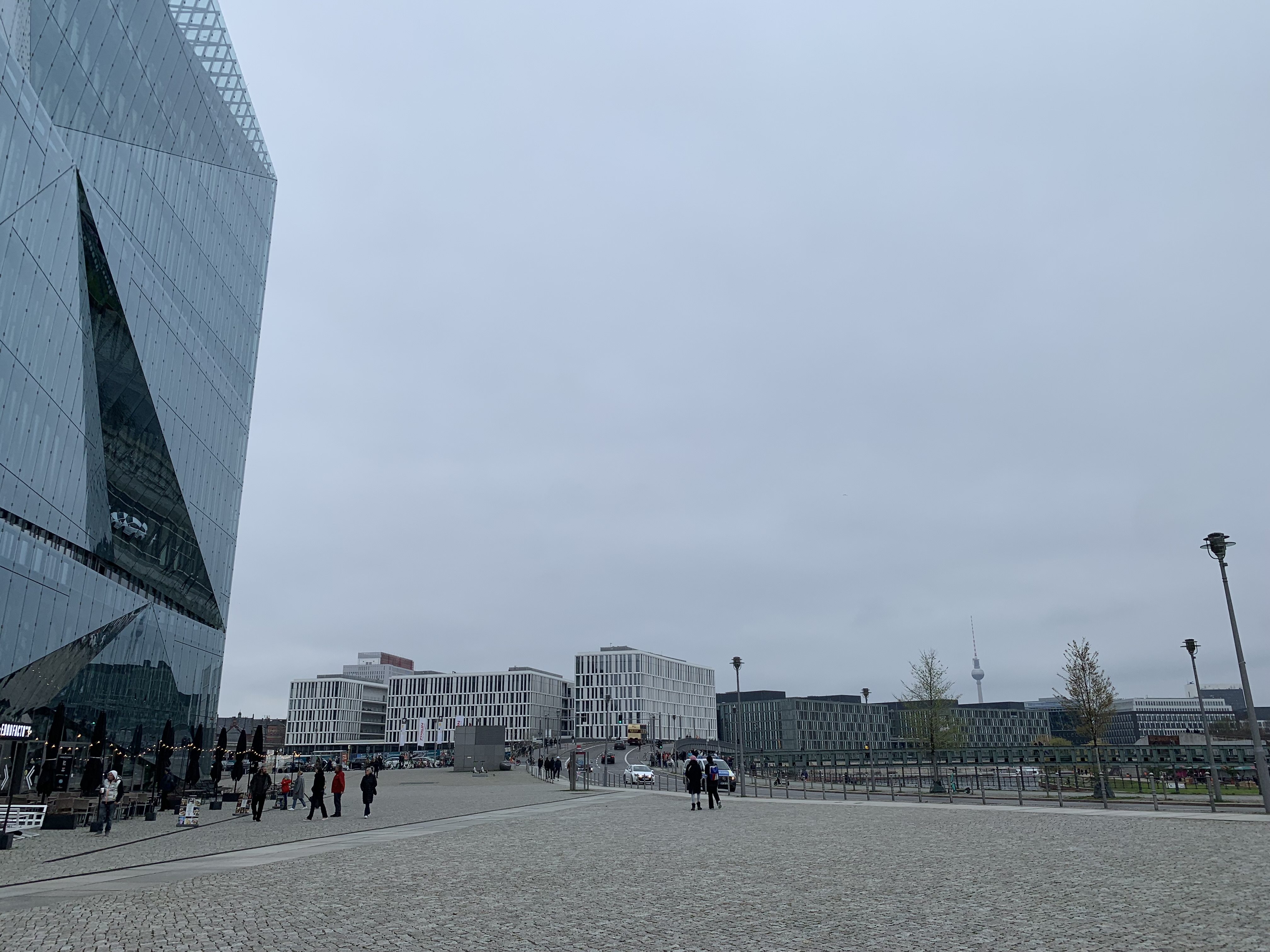
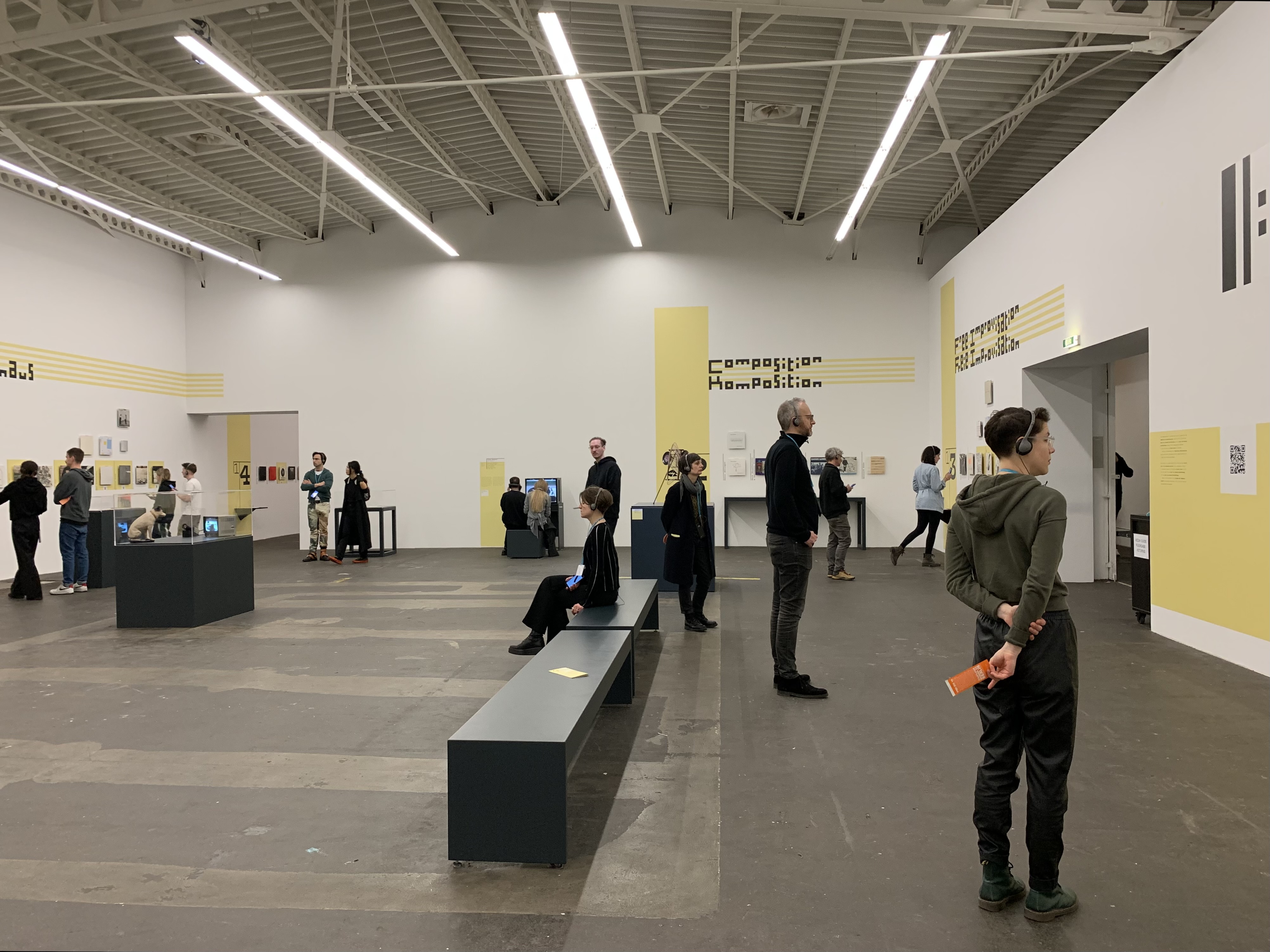
Monday’s weather continued from the weekend’s, the sky forlorn, the rain speckled. After Gil and I parted ways at the Berlin Central Station, I was assailed by a revelation of the emotional fullness of the days, which had began Saturday night with Elgar’s elegaic Cello Concerto at the Philharmonie, later reiterated on screen in the movie, Tàr. With Elgar’s melancholic strings still percolating in my head, I slept fitfully, then woke to go to Hamburger Bahnhof for the abstract, but in my head at least, tortured figures of Christina Quarles’s paintings. I ventured deeper, into a separate exhibition on broken music, charting the history of experimentations and innovations in music for the past few decades. A free audioguide is passed to you, on which you can scan QR codes to listen to the sounds from various curated themes in the exhibition – minimal/maximal music, techno, artists’s labels. I was immediately drawn to John Giorgio, who founded the Dial-A-Poem telephone service at the height of the 60s counterculture movement where a random poem is selected for the caller, usually poems with leftist leanings – anti-Vietnam war, pro civil rights, anti-capitalist. Eventually, it got shut down by the FBI in the 70s, not an unusual act of censoring materials that did not fit the status quo. In the Suicide Sutra, inspired by Buddhist chants, Giorgio’s voice is overlaid several times, each phrase, an echo of the last: “you can’t remember, you can’t remember, where you are, where you are, you have forgotten, you have forgotten, who you are, who you are.” Returning to the Central Station, Elgar’s contemplative tune was acoustically superimposed onto Giorgio’s mournful poetry, along with the visceral visuality of Quarles’s paintings. The overall effect was heavy, not the lightness of being of love and sex and living in the moment, but the vague feeling that all of these things have happened to you before, in a past life or an alternate reality. I took that feeling to Beate Uwe, where I met Fiona for the first time, and danced my heart away.
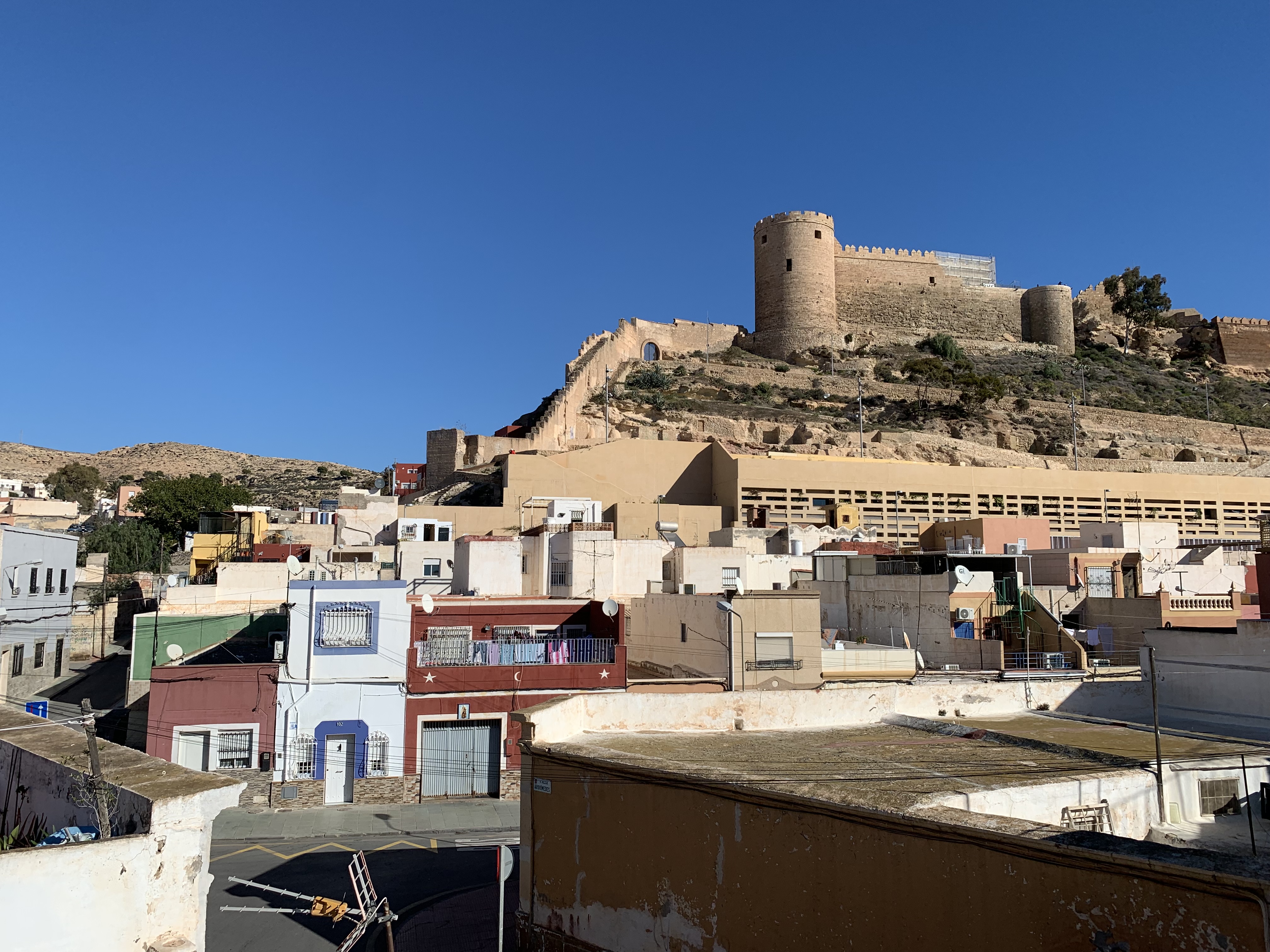
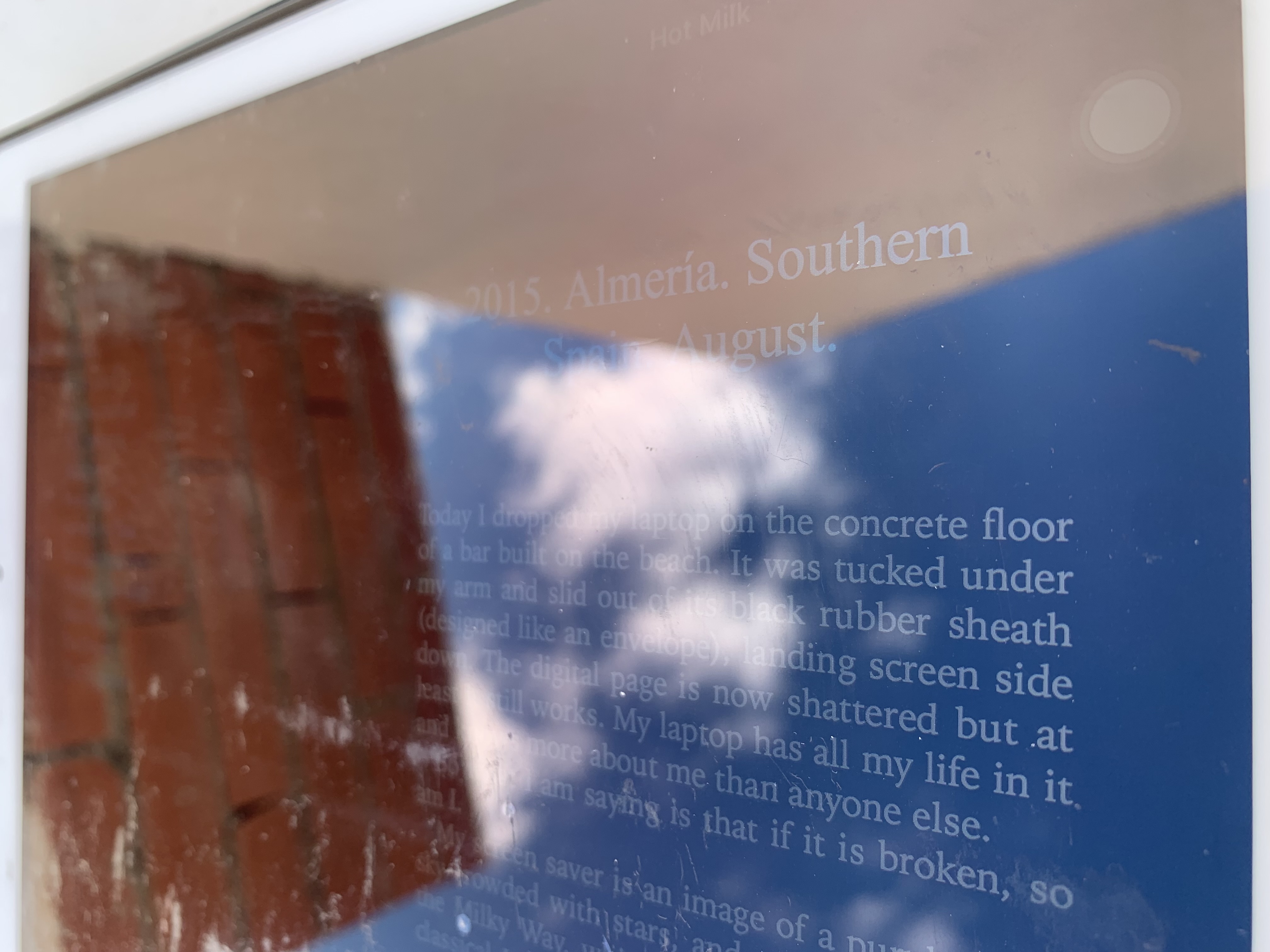
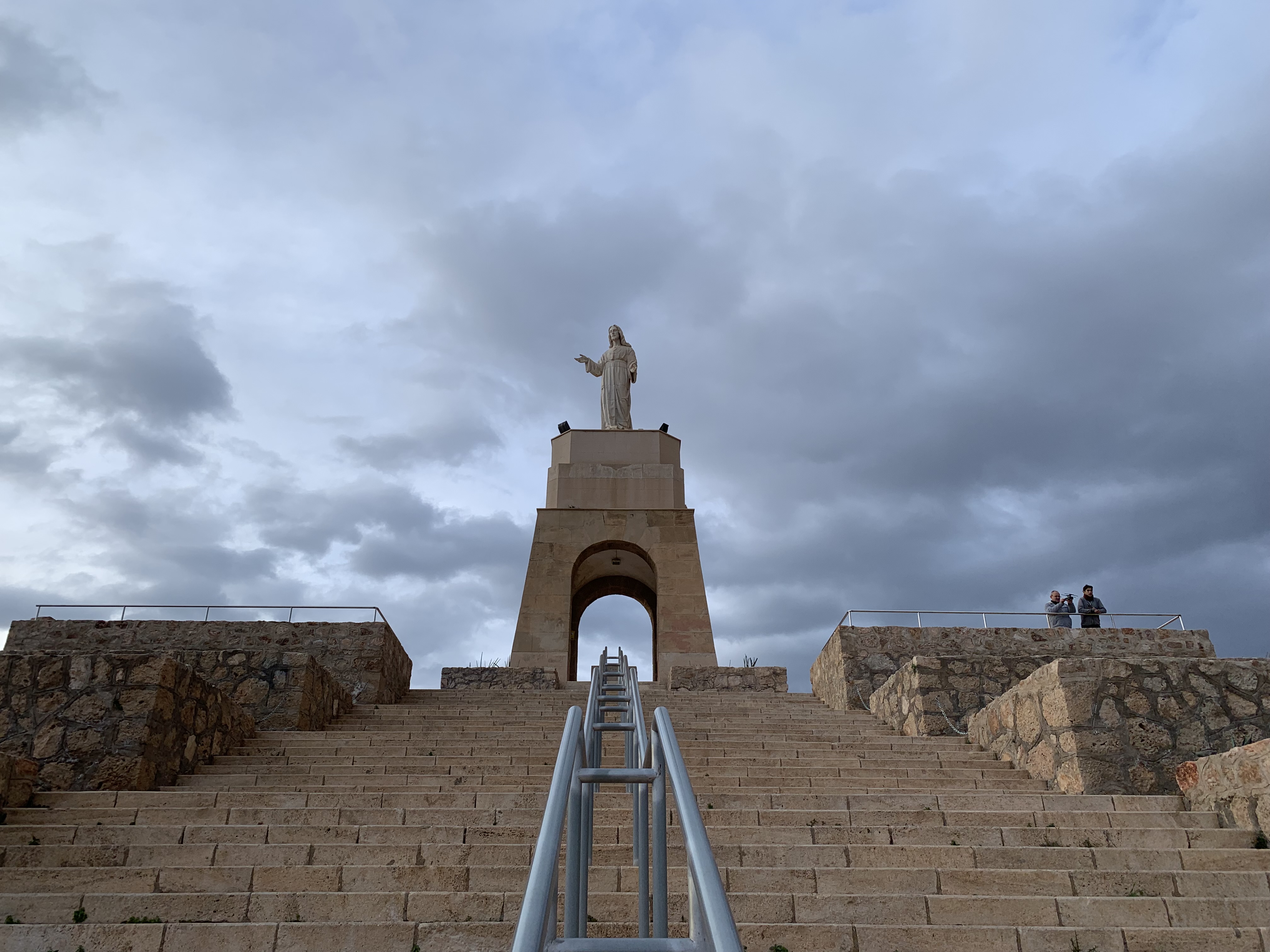
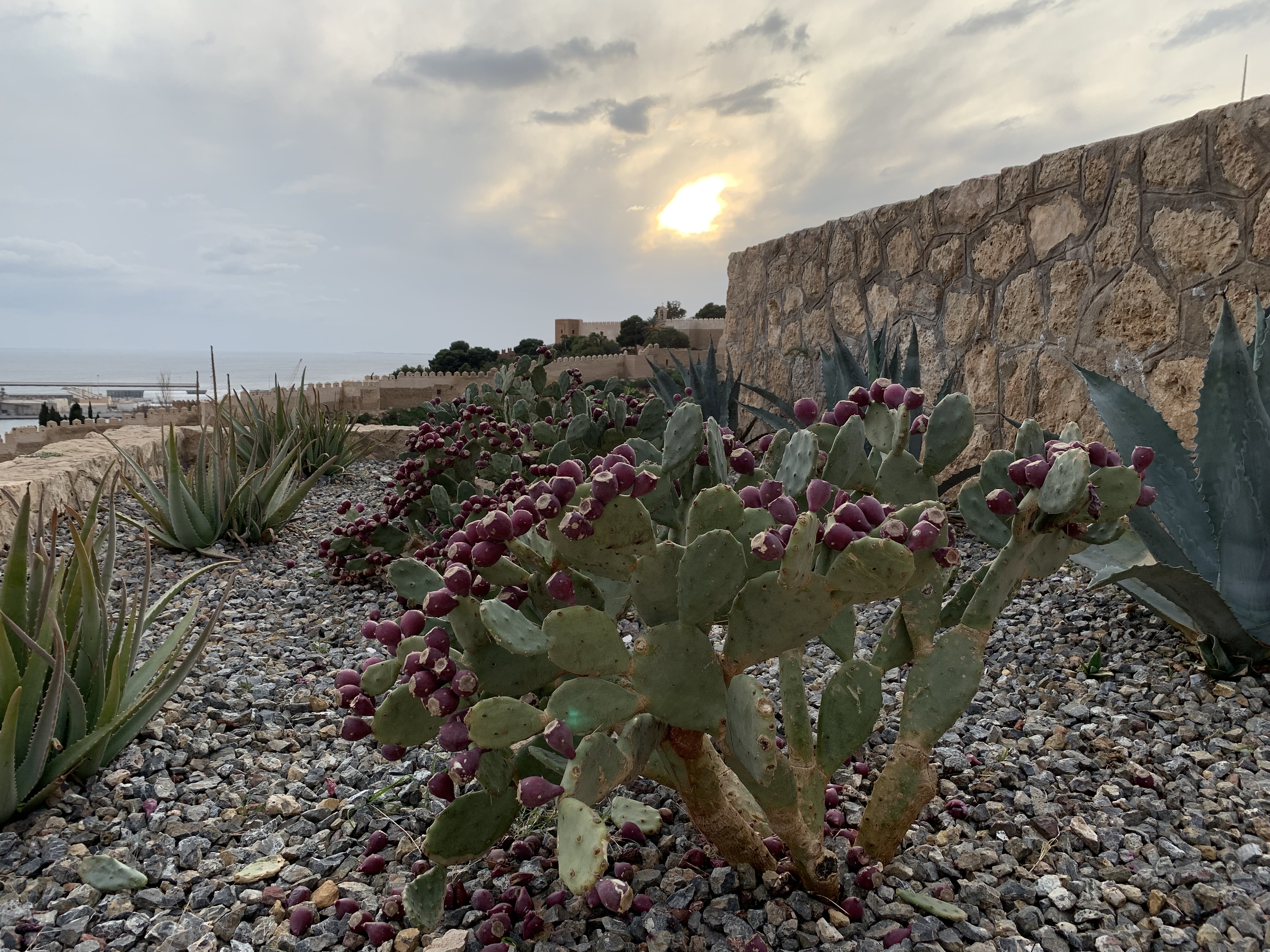
Hot Milk begins with a chapter in #almeria. It is with this book I start my day here, where I will spend the next few weeks under a blue sky that is reflected in my reading screen and the Alcazaba which casts its mournful eye over my sojourn. It is here I hope to be burdened with clarity.
"Today I dropped my laptop on the concrete floor of a bar built on the beach. It was tucked under my arm and slid out of its black rubber sheath (designed like an envelope), landing screen side down. The digital page is now shattered but at least it still works. My laptop has all my life in it and knows more about me than anyone else.
 So what I am saying is that if it is broken, so am I."
           - Deborah Levy, Hot Milk
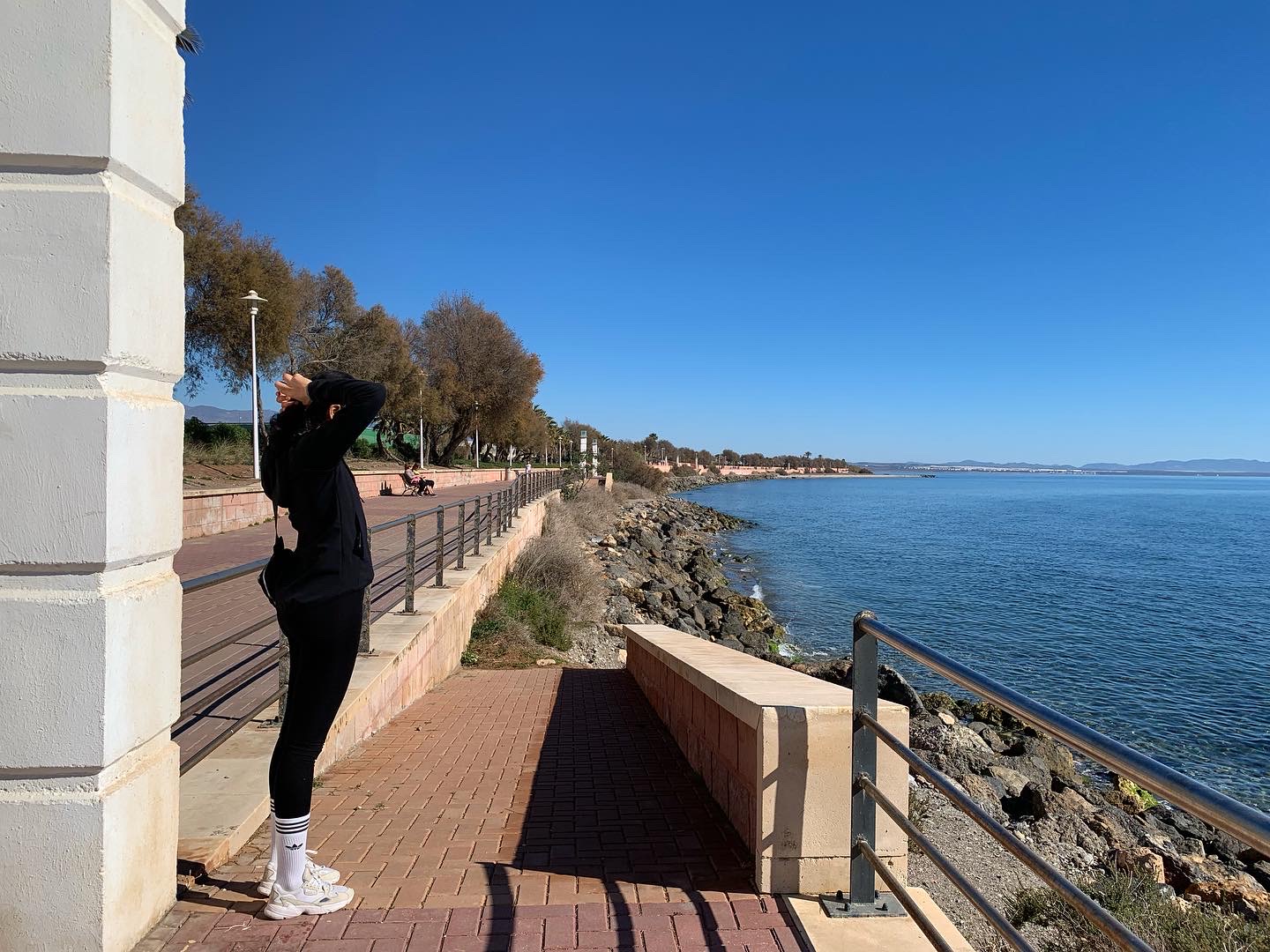
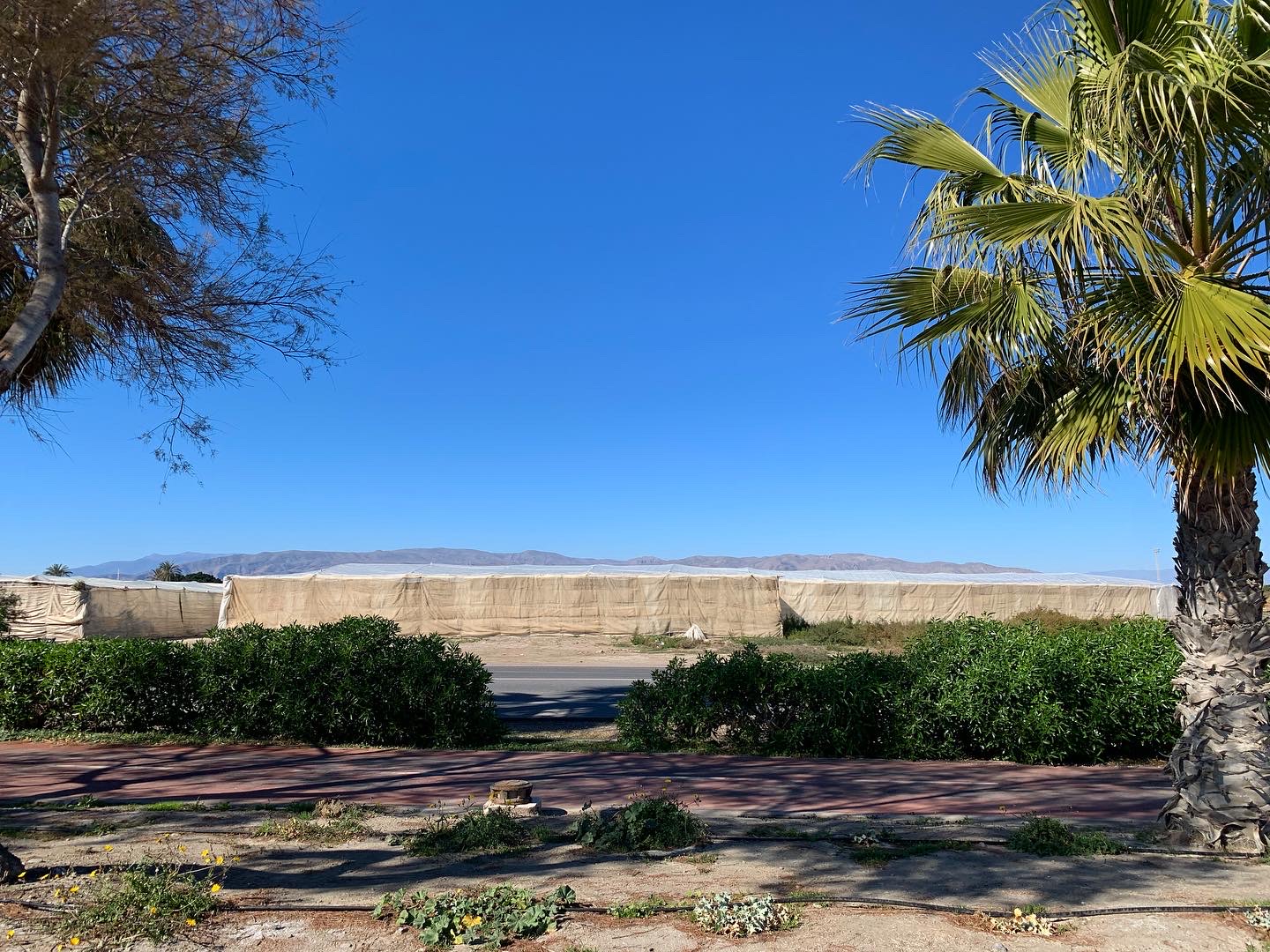
We walked to the university along Paseó Marítimo, a 6.4km stretch straddling desert and sea. On our way we saw white tarps plastered over the hills, greenhouse farms fielded by mostly underpaid North African migrants. “You’re gonna see a lot of them,” Ik said. “Agriculture is Almeria’s biggest industry. Most of Europe’s food is practically produced here.”
Every time I looked at her, Ik was always untying and tying her hair in slow, meticulous waves, mimicking the ebbing of the tides. The view, of two unrelated motions in sync, had an air of finality about it, just as the tomatoes will continue to be harvested and exported, and the workers exploited.
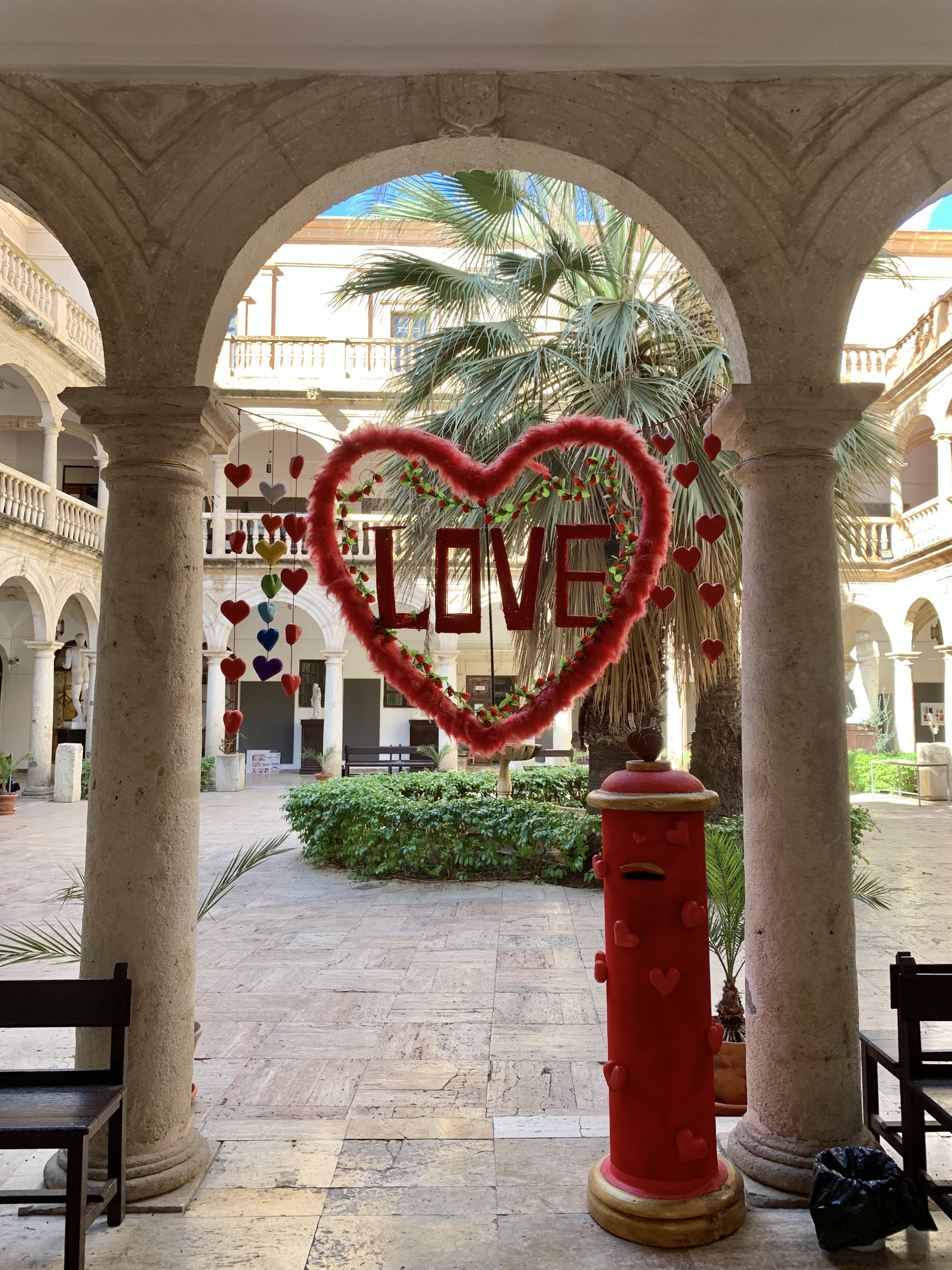
I’m thinking of love today partly because it’s Valentine’s, partly because today’s weather in Almeria is anomalously grey so I’ve been confined to an interior space, with news of global crises splayed out across B’s 65” TV like chaos incarnate and it left me wondering if heart-shaped chocolates can save us.
I’m thinking of love today because it is someone’s death anniversary, near or far, and while we are often bombarded with pictures of love being jovial and amorous, we often forget that grief is also an expression of love, and an expression we wear more often, and I’m trying to remember if it was Spanish philosopher, Miguel de Unamuno, who said that love arises out of shared suffering and compassion for others?
I’m thinking of love today because Moth taught me about penguin pebbling and gave me insights into neurodivergent ways of loving and how during our trip to a stationery store they had seen me eye a green-leathered notebook and bought it for me in secret, around the same time I had seen them marvel over a book-shaped wooden box and bought it for them in kind, after which we got coffee and headed down the Paseo to visit an Asian supermarket where I spoke Mandarin with the shopkeeper.
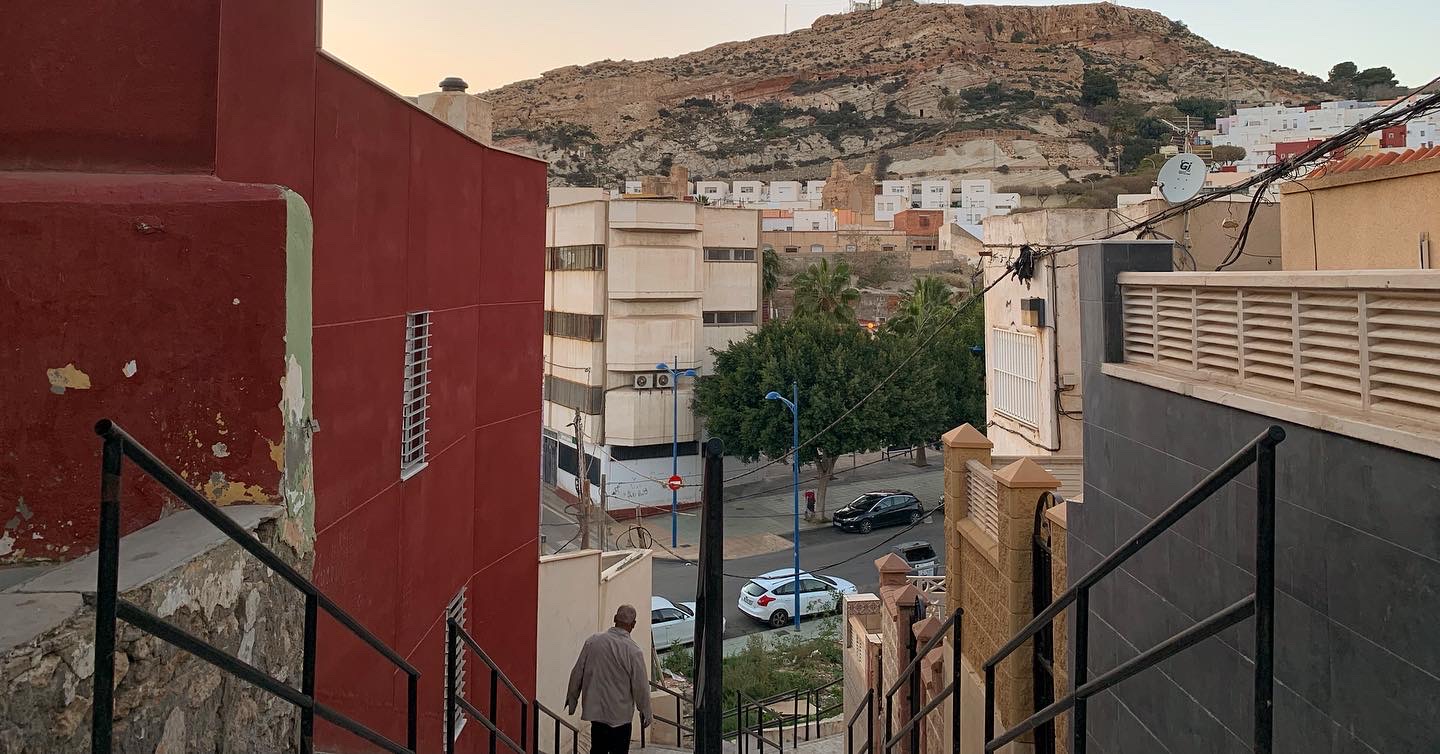
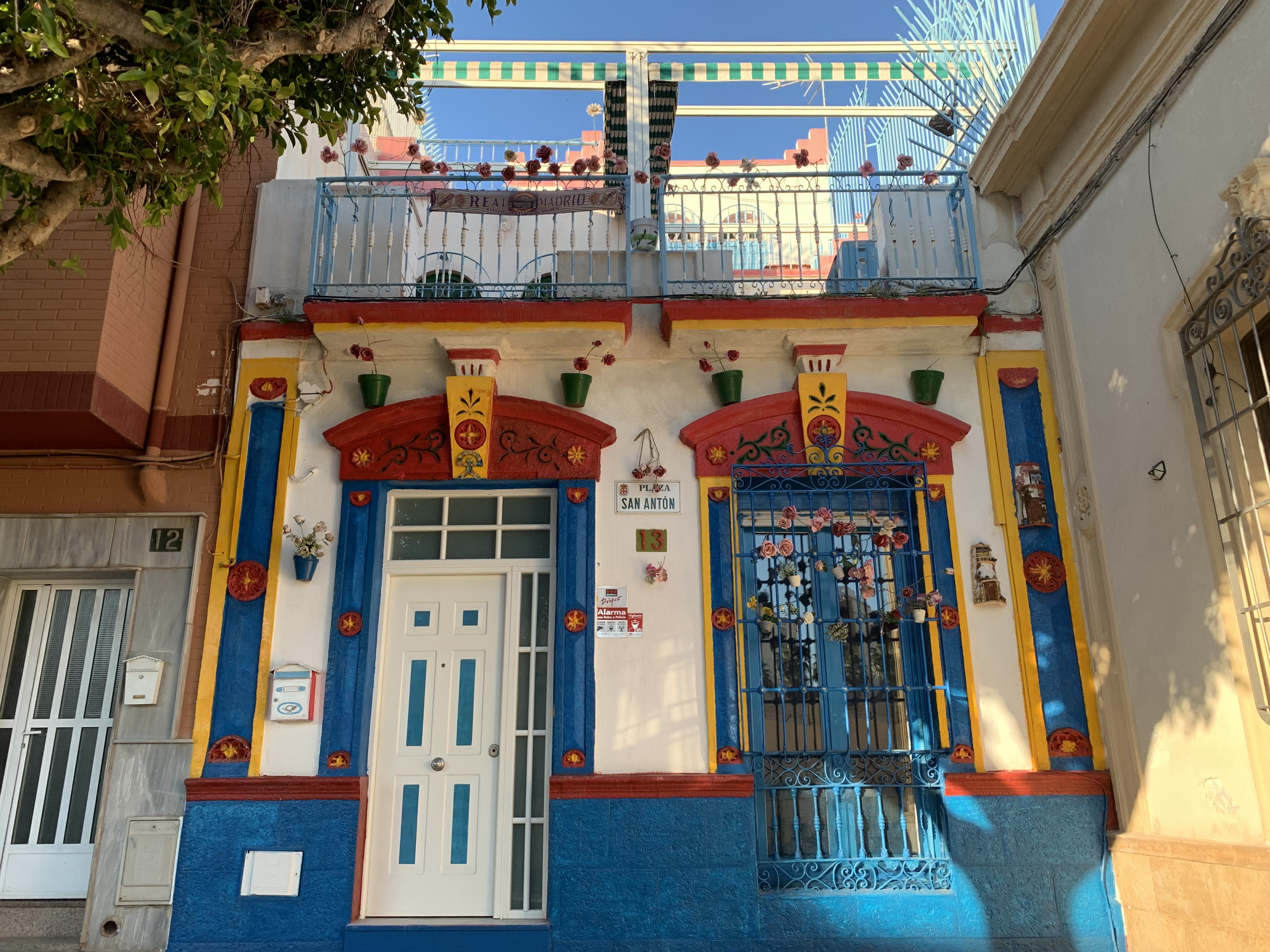
A metal walkway separates B&H’s neighbourhood from La Chanca, a commune carved out of the Colonia Morato caves, home today to fishermen, gypsies and Moroccan migrants. Its colourful facades obscure its impoverished state, its steep streets strewn with rubbish and improvised promenades, refused to be reached by city services except for a bus line that runs reluctantly through every half an hour. Yet life thrives, through various corner stores pedaling different wares, boisterous kids kicking balls about, residents under fig trees seeking refuge from the heat.
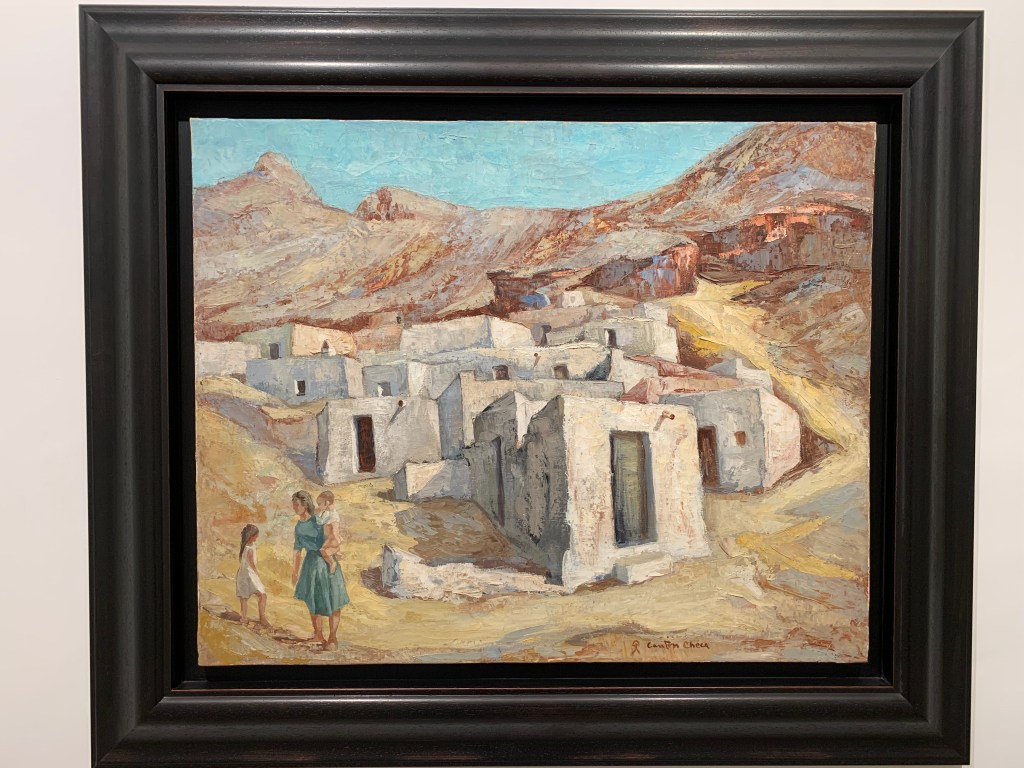
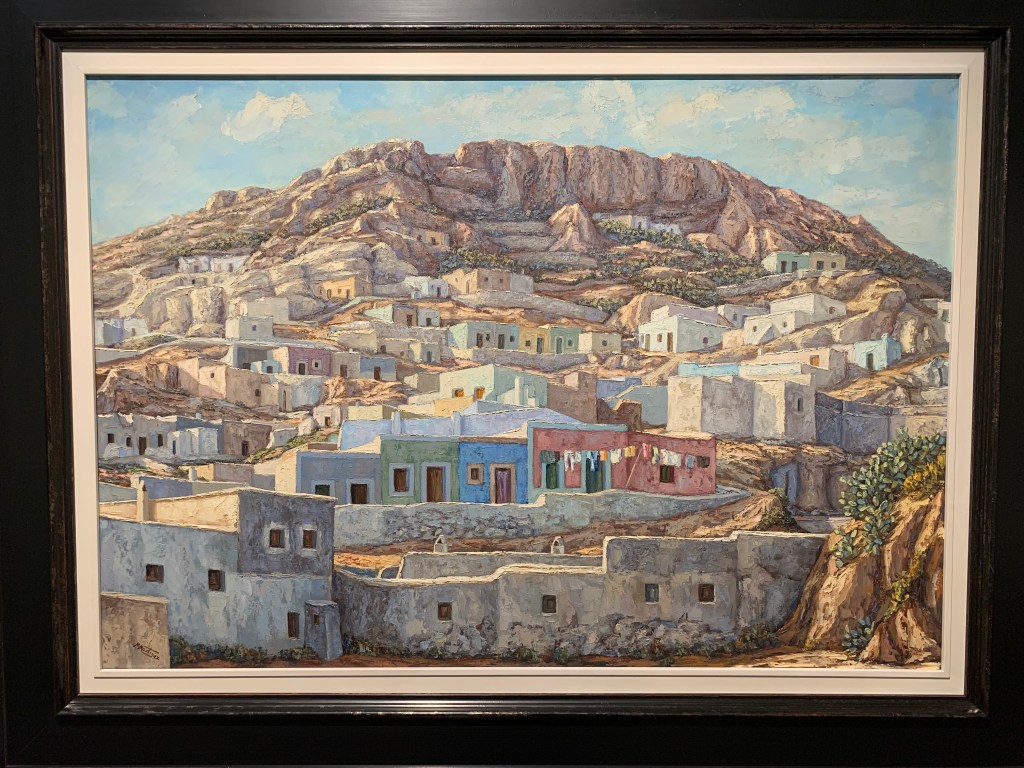
In his eponymously titled novel (1962), Juan Goytisolo marvels at La Chanca’s “[overwhelming] geological violence, the nakedness of [its] landscape…” Downtown, at the Museo de Arte Doña Pakyta, which houses a permanent exhibition for Almeriense art from the 1880s to the 1970s, La Chanca was a recurring motif. Through Goytisolo’s words, I can see why La Chanca has captured artistic imagination across the ages: the sublimity of its hazardous beauty, the resilience of the people who call the hills home, like sprouting mushrooms at the end of the world.
Miguel Cantón Checa (Almeria, 1928 – 2004)
Chanca
1965. Óleo sobre lienzo / Oil on canvas
Miguel Martinez Gómez (Almeria, 1920 – 2003)
Belén Almeriense (La Chanca)
Circa 1980. Óleo sobre lienzo / Oil on canvas
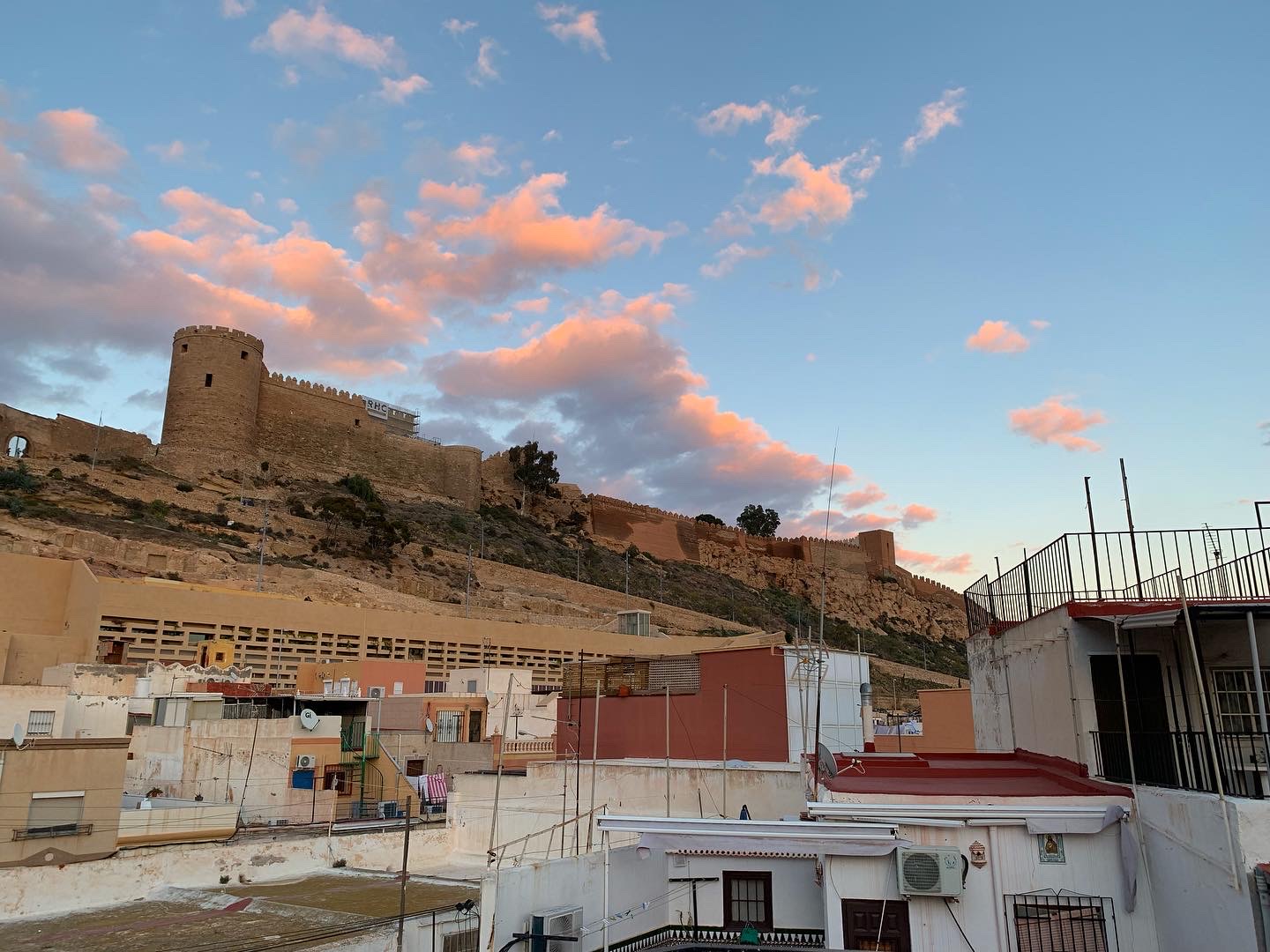
Around 6pm, the murmurations begin, over the port which is visible from B&H’s sunroof. On the other side of the roof the Alcazaba stands. Every day, it faces the rocky hills from which its walls are made, a moody child separated from its natural environment: dignified on a clear day, solemn in grey. Today, the sky is dusted pink.
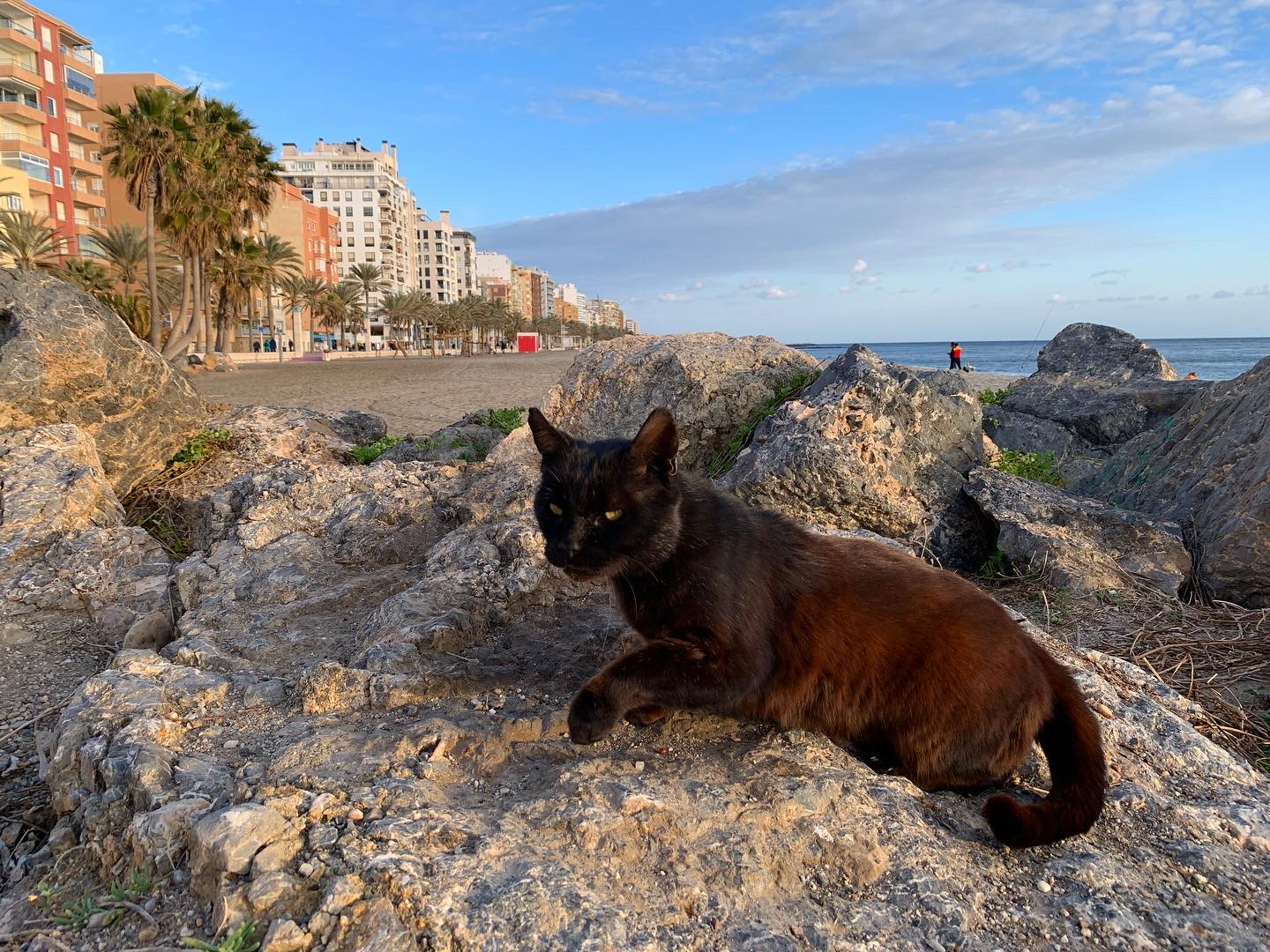
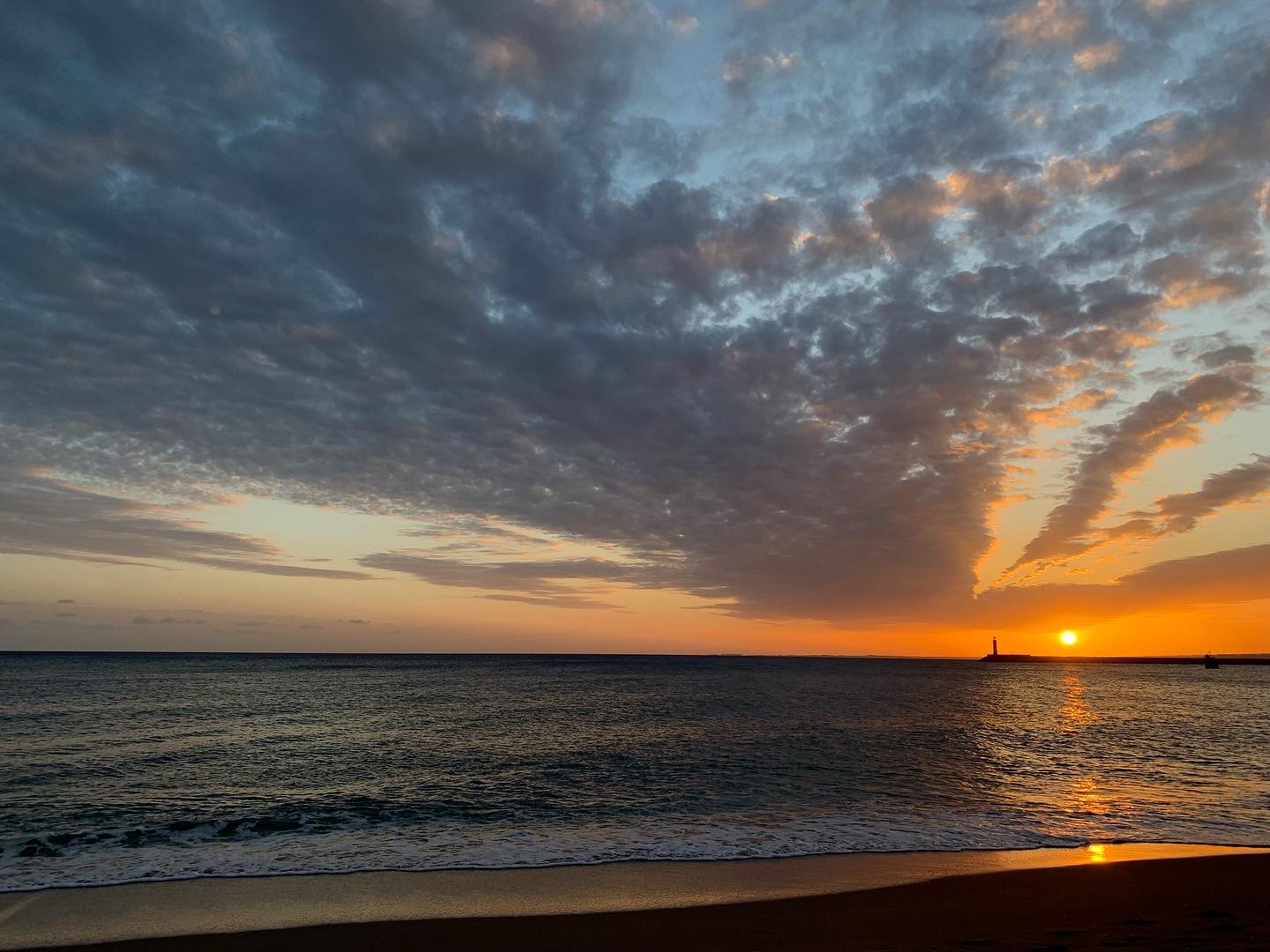
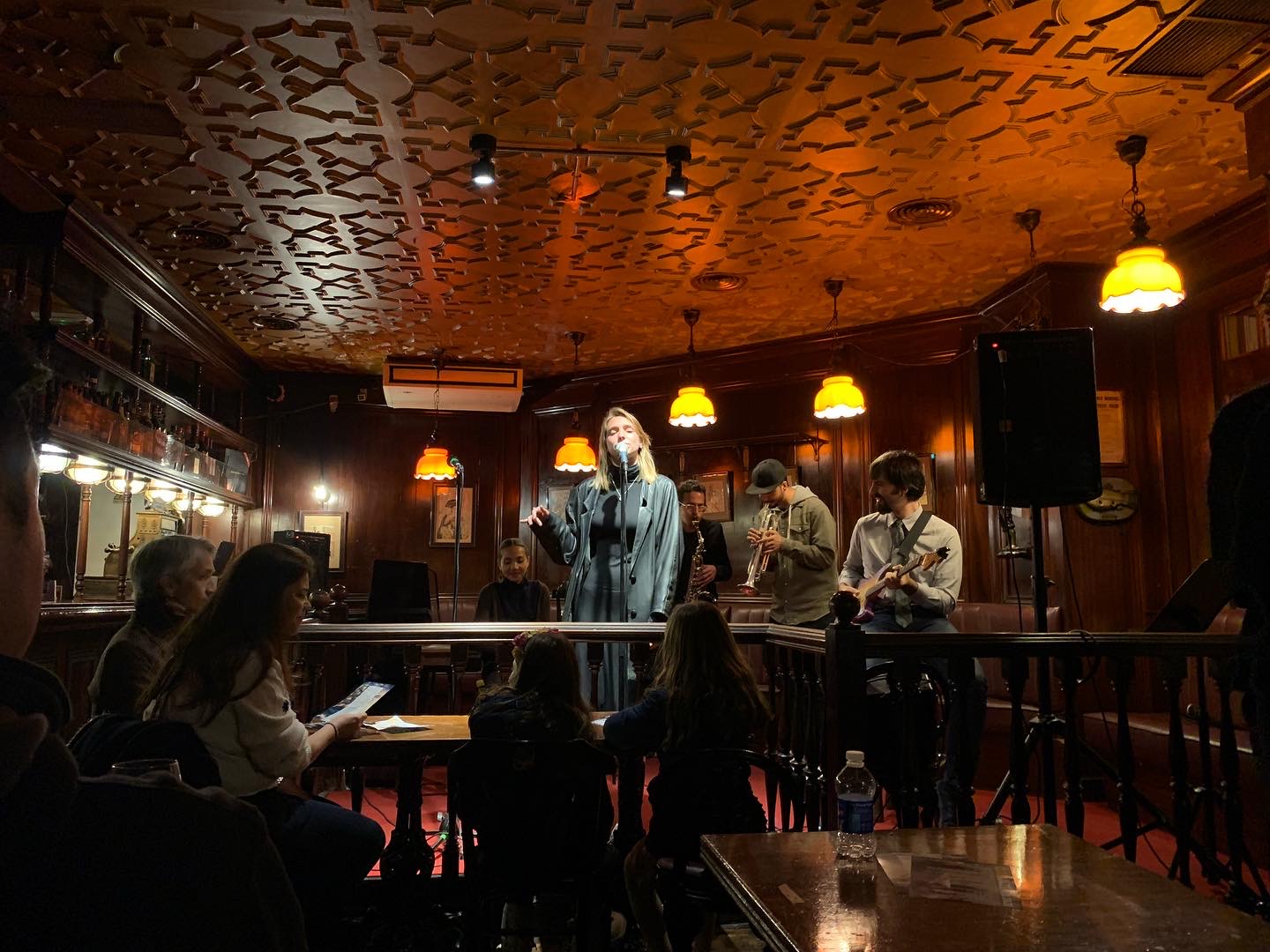
I have not quite decided on what to do with my evening but I already know I will make the 20-minute walk to the beach where horse-cat will greet me with its hoarse meow and the sun will take its time to set, like an overdramatic actor exaggerating their exit scene. When it is finally dark and the streets slowly fill up with expectations, I will make my journey back, past the Moroccan teahouses on quaint alleys, past the jazz bar mounted with a Big Mouth Billy Bass, past gossiping neighbours seated on big plastic chairs. I will open the front door to the smell of homemade tortillas and watch a horror movie over vermouth and crunchy noises. I will remember that notions of home are like sea tides, cascading layers of waters gently beating the sand into formlessness.



 Chan Wai Charles Wong