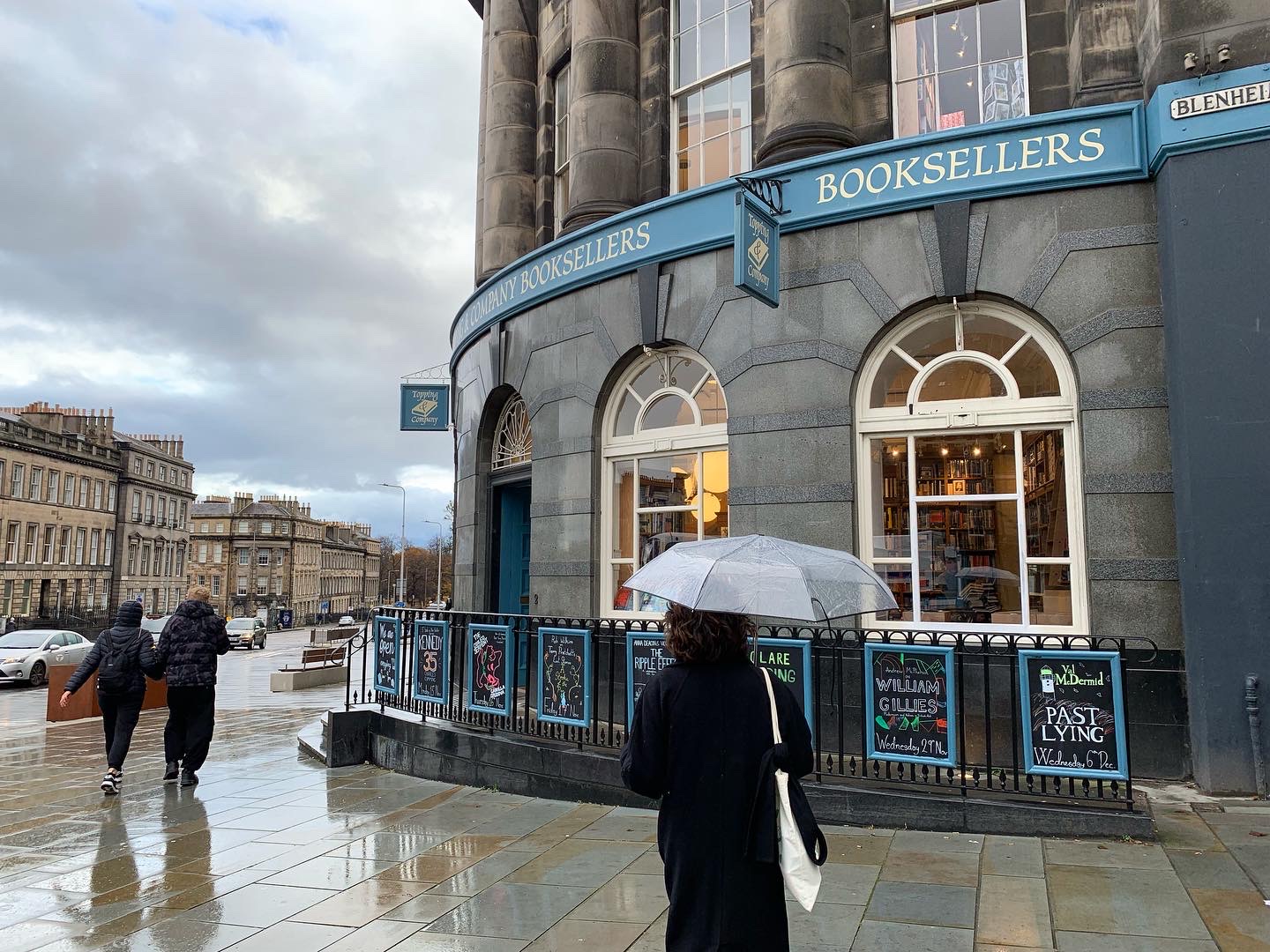
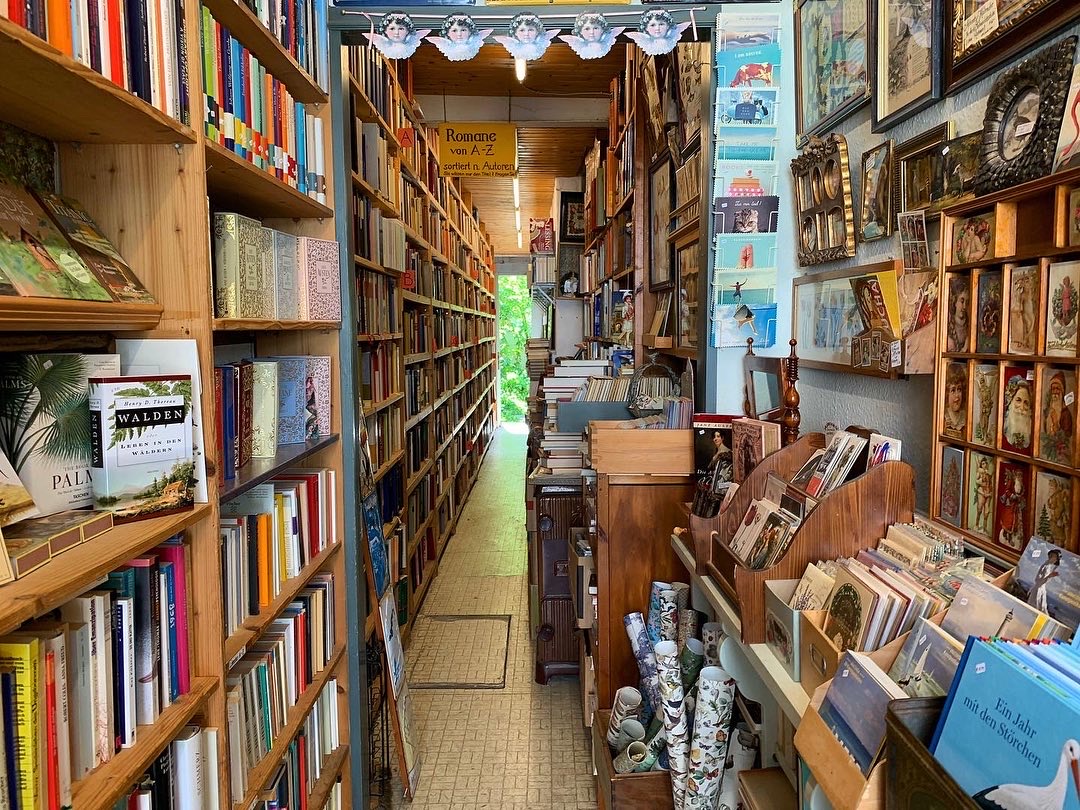
At various points of the night they performed sleep to assure themselves that any affliction to their somnolence was not due to one another. In the morning they both said they slept well and separated to different rooms to prepare for a day mostly spent in bookstores and charity shops. They sat silently at a cafe, watched as the rain collect on umbrellas and polish the streets.
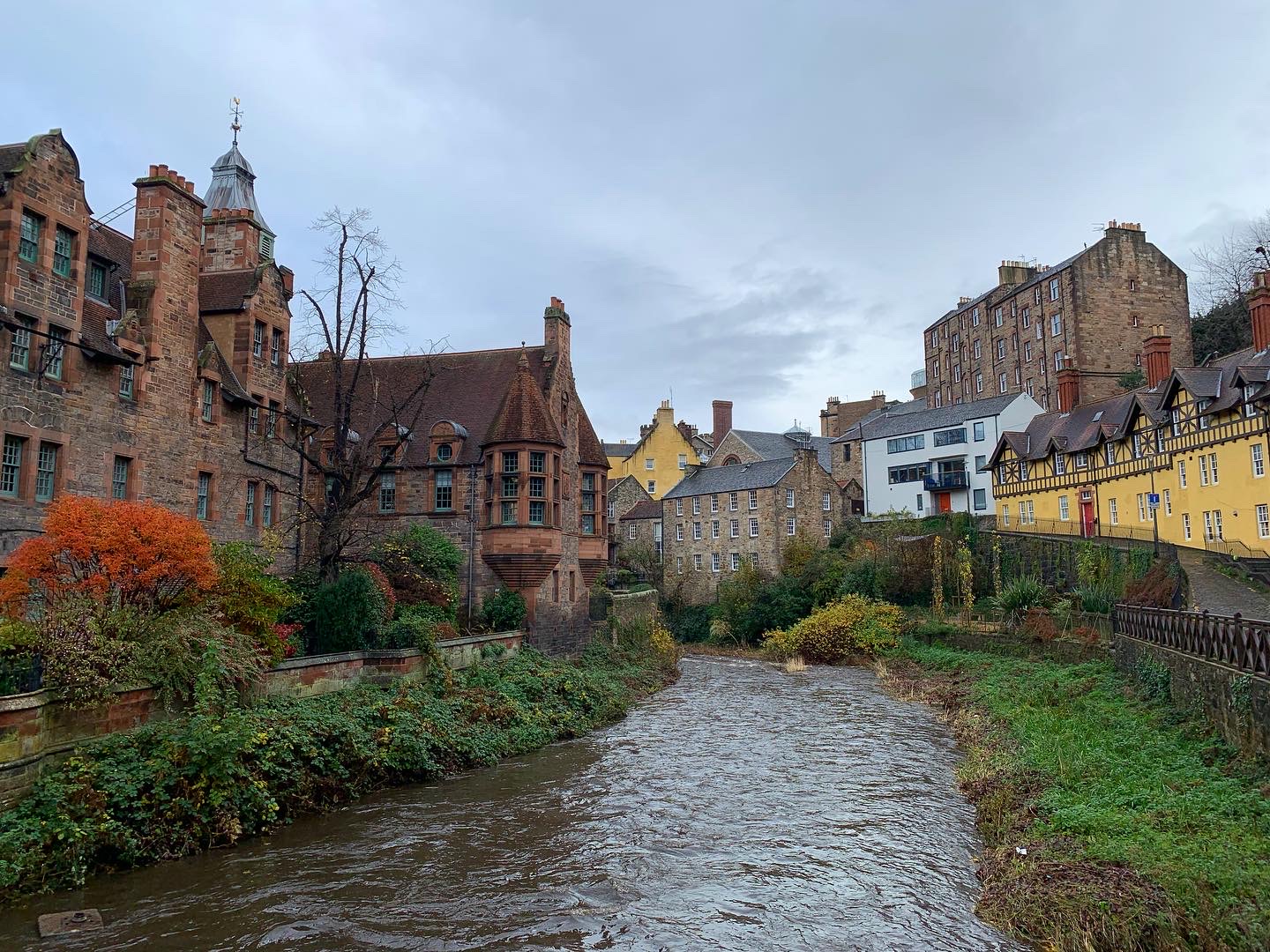
They found a village nestled in the heart of the #city. There they traced the River Leith towards the port up north but stopped short of going towards the edge, and so they imagined the river flow out to the Firth of Forth. Through the man-made fog at Sneaky Pete’s later in the evening, the haunting voice of Black Belt Eagle Scout sang the river to them: “But I can’t see you/But I can feel/Your energy.”
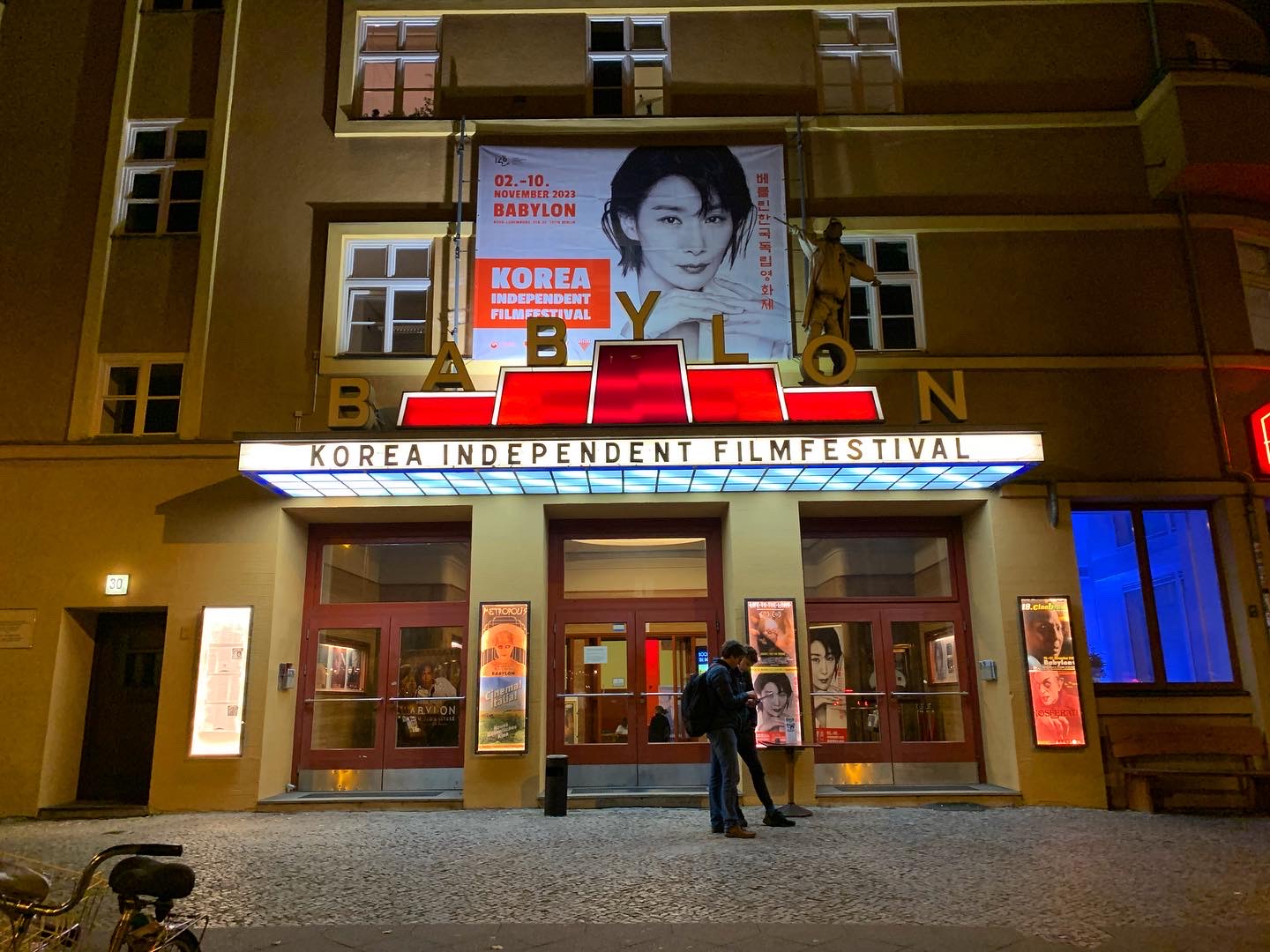
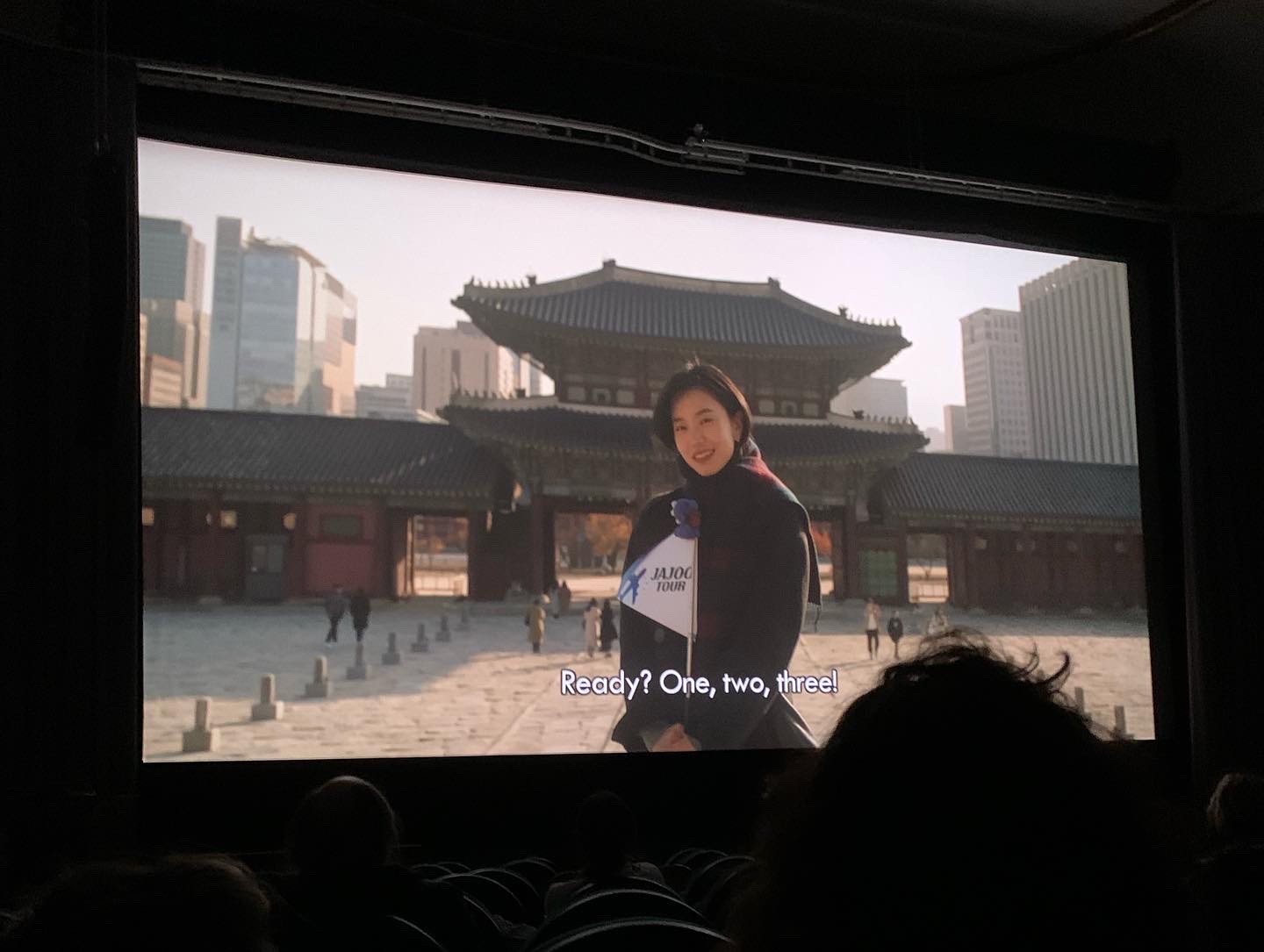
Kwak Eun-mi’s debut film, A Tour Guide (믿을 수 있는 사람), spotlights the life of a North Korean defector living in South Korea (Han-young, played by the effervescent Lee Seol), who works as a tour guide for Chinese tourists, introducing famous South Korean landmarks she is alienated from. Han-young may look like a South Korean but her accent and status as a refugee elicit constant consternation and suspicion and she struggles to make a home out of a foreign land. The limbo facing a refugee is captured superbly by Eun-mi as the audience are shown, in a slice-of-life manner, Han-young’s life in South Korea, three years of struggles punctuated with some happy moments.
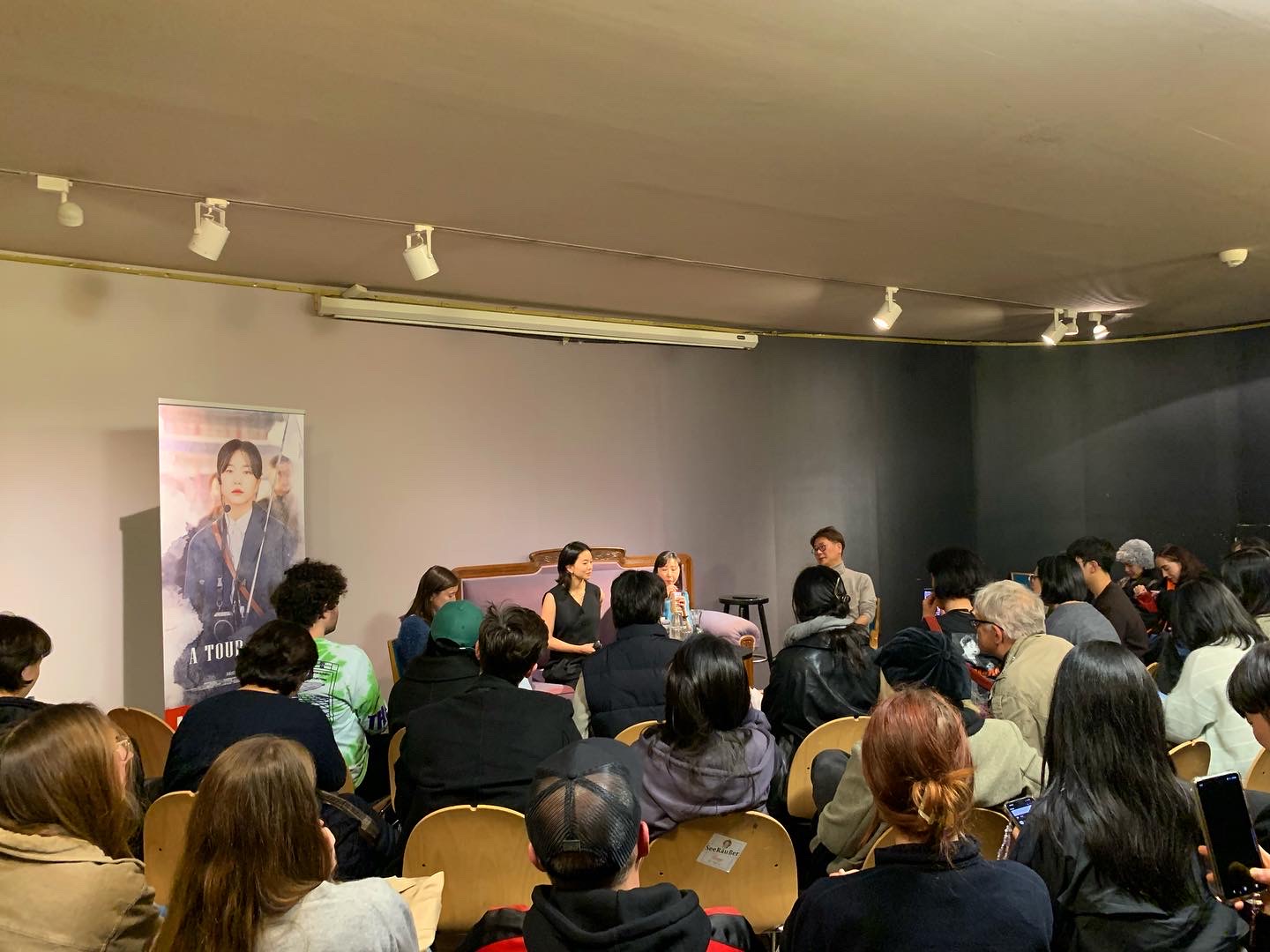
During the Q&A session after the movie, Lee Seol spoke briefly about her role as Desdemonda in Shakespeare’s Othello. It brought to my mind Desdemonda’s quote from Act 4 Scene 2: “His unkindness may defeat my life/But never taint my love.” It is these lines I paired with Han-young’s face of defiance in the movie’s ending shot, just as she is about to leave South Korea for an unknown destination. The dearth of kindness dealt to Han-young is reciprocated in equal measure, her unwavering resolve to forge a home for herself. It matters not where Han-young goes in the end, whether back to North Korea to see her mom, or to Germany to see her best friend, Jung-mi (played by the equally impressive Kyung-Hwa Oh), a fellow North Korean defector, or to somewhere else entirely. Especially for a migrant leading a precarious existence, home is not a single destination but a journey.
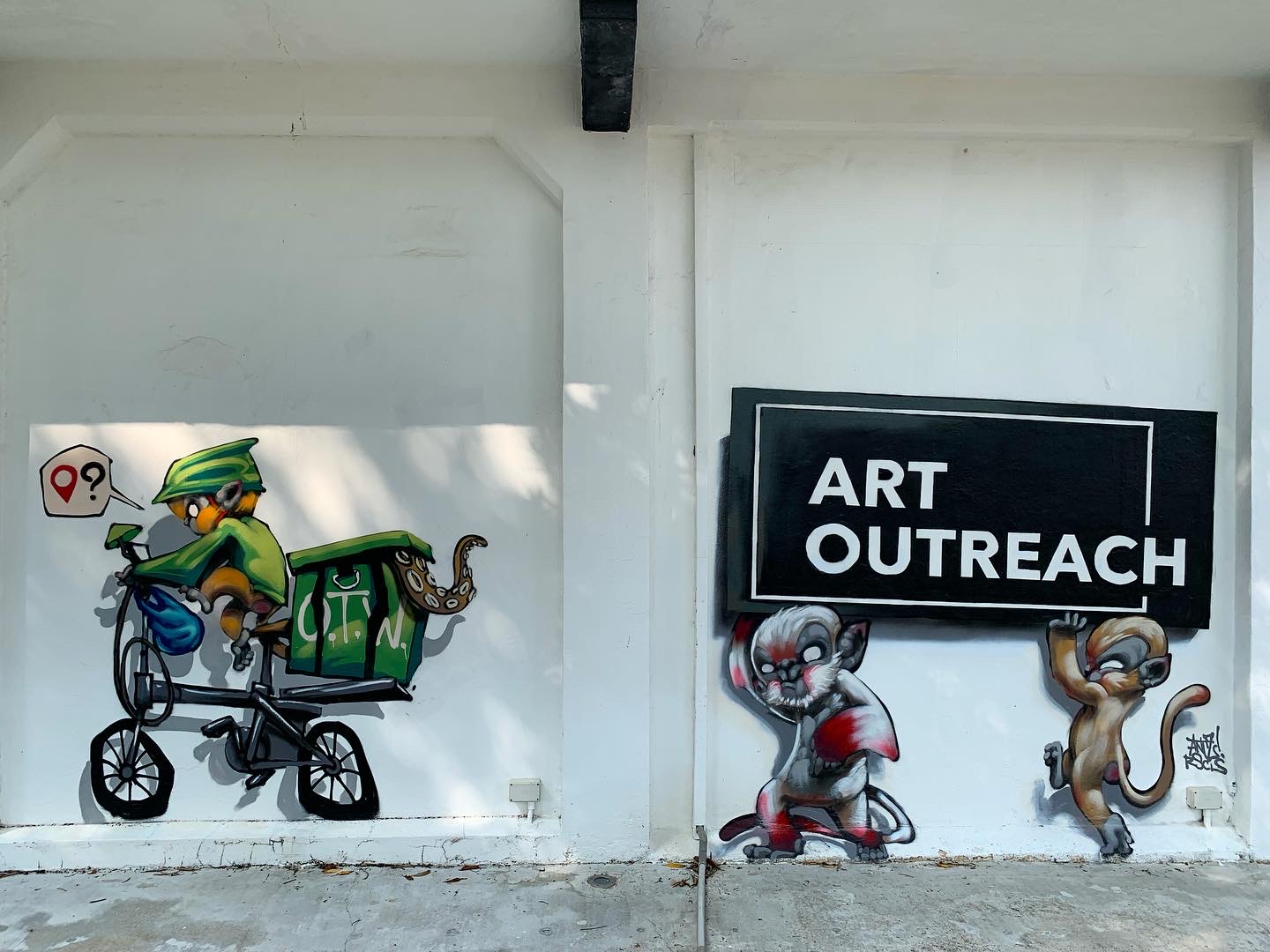
At Gillman Barracks, a gallery assistant explained the Art Outreach to me: “non-profit, art not just for consumption.” But then he shook his head, “I think it’s hard for Singaporeans to appreciate art outside of consumption. They come just once, take a few pictures, and leave.” He asked me what I thought and I said that I agree though I also confessed to having an image of #singapore that is 7 years dated. Once rife with socio-political iconoclasm, my preoccupations with the little red dot nowadays are mostly familial – I overeat to make up for lost time, milk nostalgia out of a rapidly changing city. Each time I leave, I feel immense sadness, but quietly too, I detect excitement in returning to the inchoate mess of a life I’ve forged for myself. I think about my 160×200 bed with the cheap bedsheets and my six pillows and giant teddy bear, about cleaning my fridge and then going out to buy enough ingredients to make a big pot of chicken congee. I think about acquaintances, friends, lovers, those inbetweens and those not-yet-to-come.
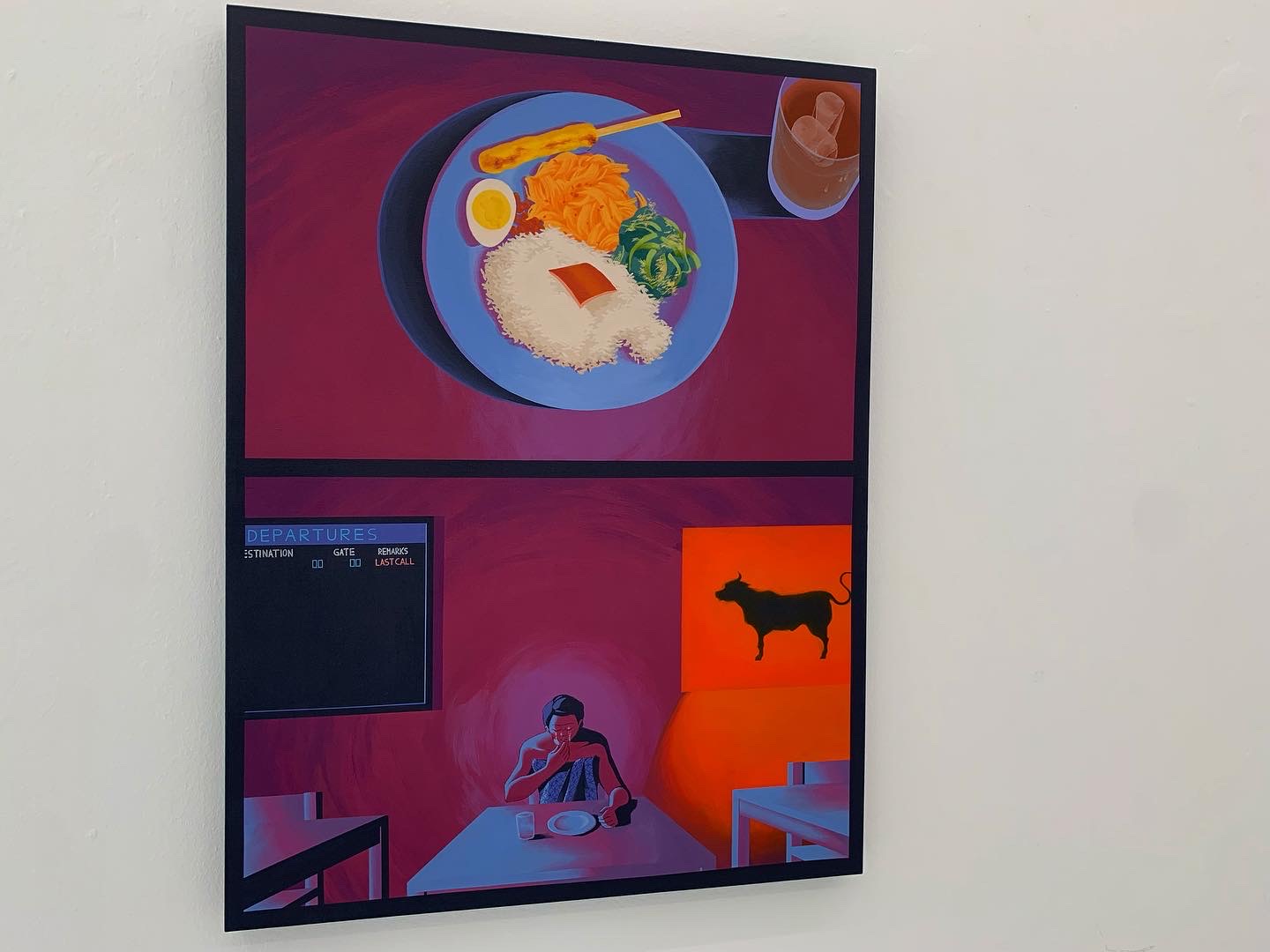
A day before my flight back to Berlin, I returned to Gillman Barracks. At the Homecoming exhibition by Pucuk Cemara, I lingered around one painting in particular. A person wrapped in a sarung sits in front of an empty plate, presumedly after having finished their nasi campur, an Indonesian rice dish paired with iced tea that is commonly served in a warung, a small, usually family-owned eatery. The joy from a hearty, homecooked meal is glaringly absent. Instead, the person is solemn, mournful even. In the background the final boarding call flashes ominously, one last chance to stay… or go. I did not return to the Art Outreach that day. Was I, in that manner, more Singaporean because I did what the gallery assistant had feared? That I took a few pictures and never visited again. Or did it make me more of a stranger playing out the inevitable transience of touristing?
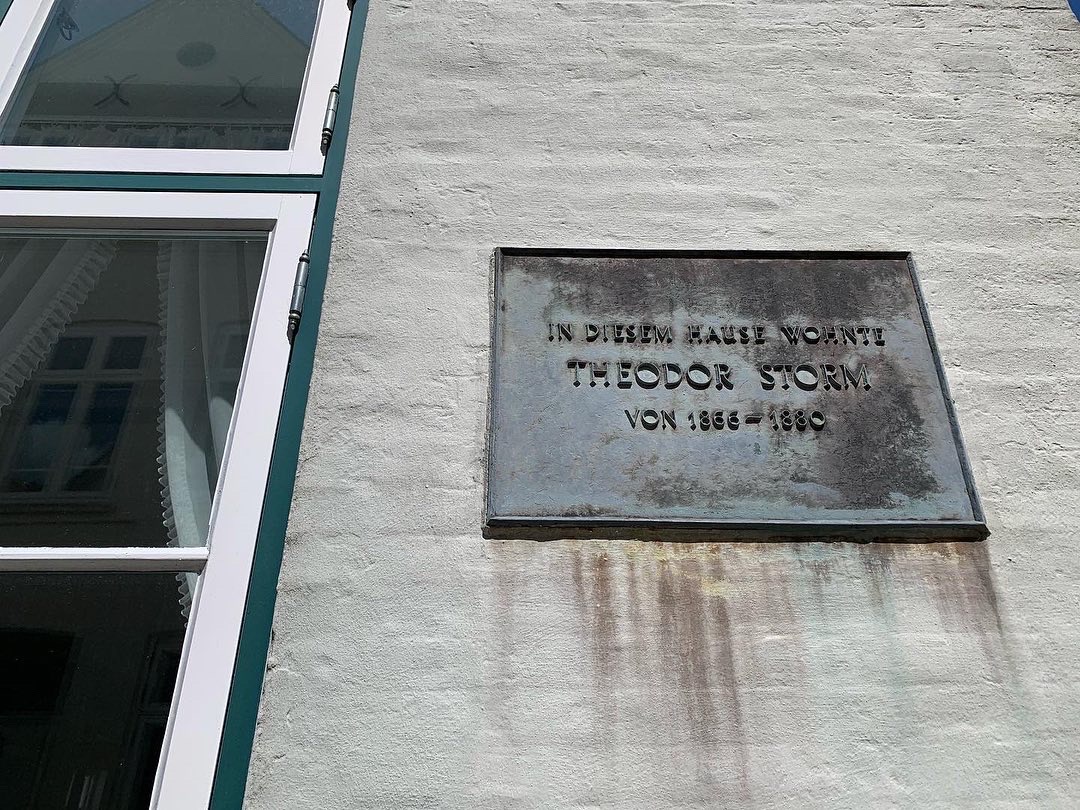
The grey town shrouded in loneliness is how Theodor Storm described #husum, the menacing sea and melancholic skies a topical constant in his works and in his heart. I see in Storm’s poetry, amidst the sunny dispositions at the centre of North Friesian “Moins,” the daunting, bittersweet relationship I share with my island home, a yearning that is mellow yet never satiated. On the strand overlooking the #nordsee, I closed both of my eyes and hear his words: “And as the pain,/wave upon wave, gently lies down to sleep,/as the last heartbeat stirs,/you fill my whole heart.”
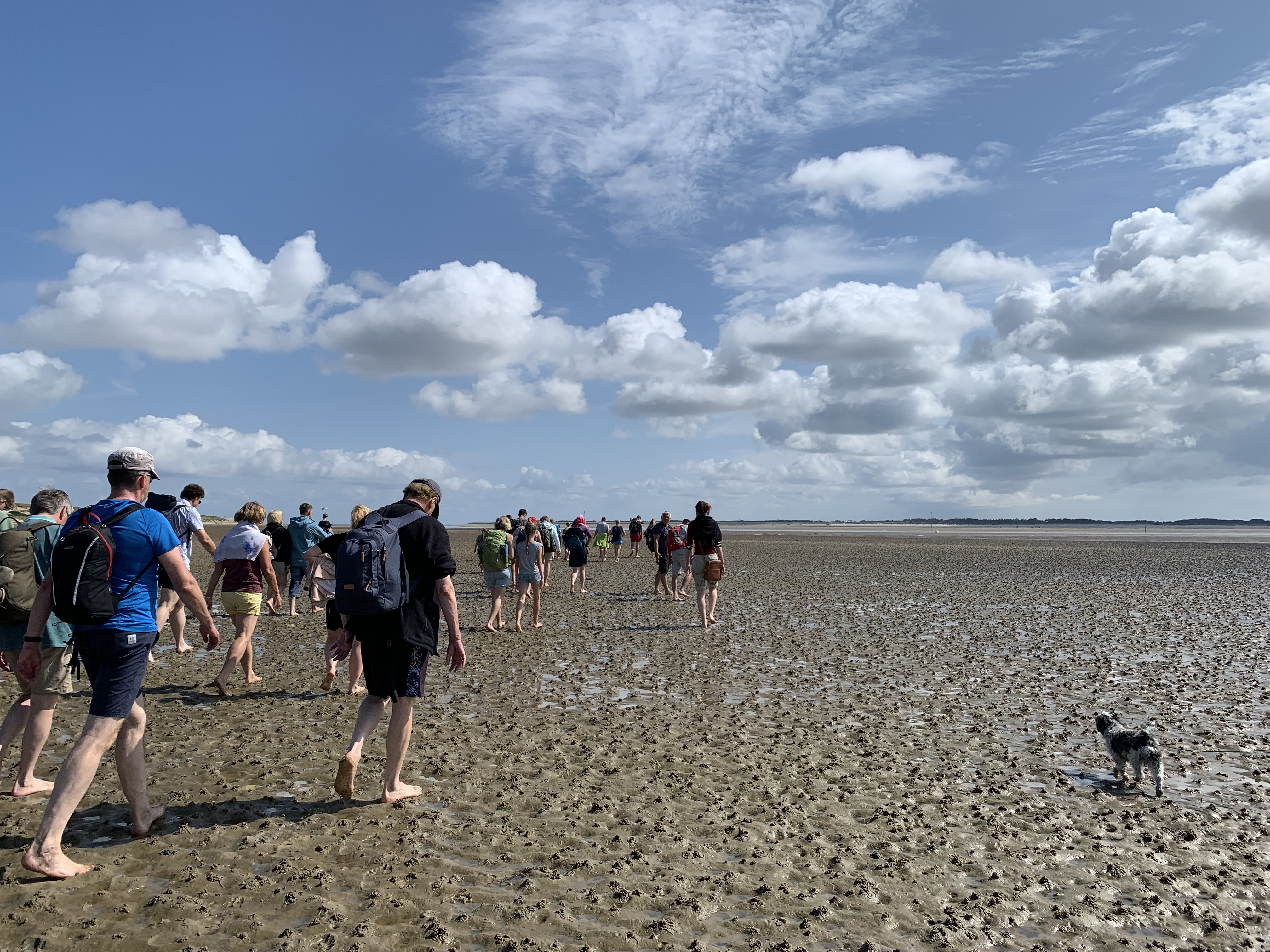
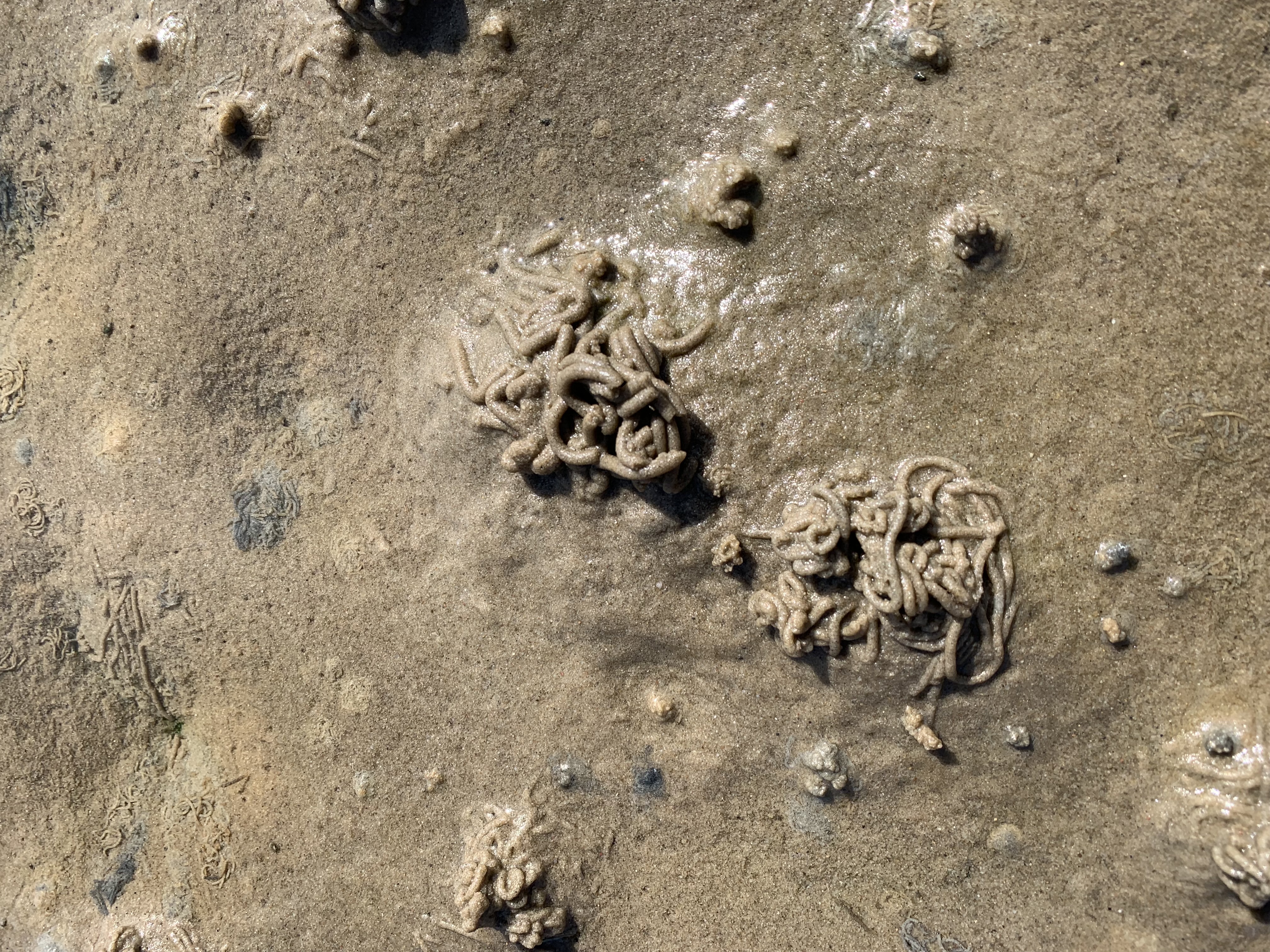
At the lowest tide, the islands of #amrum and #föhr can be reached by foot. The 8km hike is usually undertaken with an experienced guide lest the journey is mistimed and you are stranded midway with water rising all around. Andreas, our guide, jokes that mudflat tours are sometimes cancelled because of the weather but mostly because he has taken a precursory look at the group and deemed that they are incapable of finishing the hike. Bright in a yellow windbreaker, he hums old sea shanties and complains about people from Föhr. The rest of us plod gingerly around jellyfishes and shells and crabs and crab carcasses. A dad makes a joke about how the coiled castings of lugworms look like spaghetti and the son says “ew” and contorts his face. Fiona is quite some distance away. She turns back and we wave.
On the wooden path, kapuzen flapping in the wind. A rabbit skittles away, dust in its wake. Dark coniferous clouds, orange-lined. Nothing in sight but the end:
Heat and humidity conspired to wake me up at 3am, where lying on my sweat-soaked sheets as a thunderstorm lurked outside made me feel like I was lying on my bed not in Berlin but in Singapore. The maudlin meteorological conditions, coupled with the recent passing of the summer solstice, gave me a sudden urge to cocoon myself under my duvet with a book and some tea while music played softly in the backdrop and the room smelt faintly of burned sandalwood.
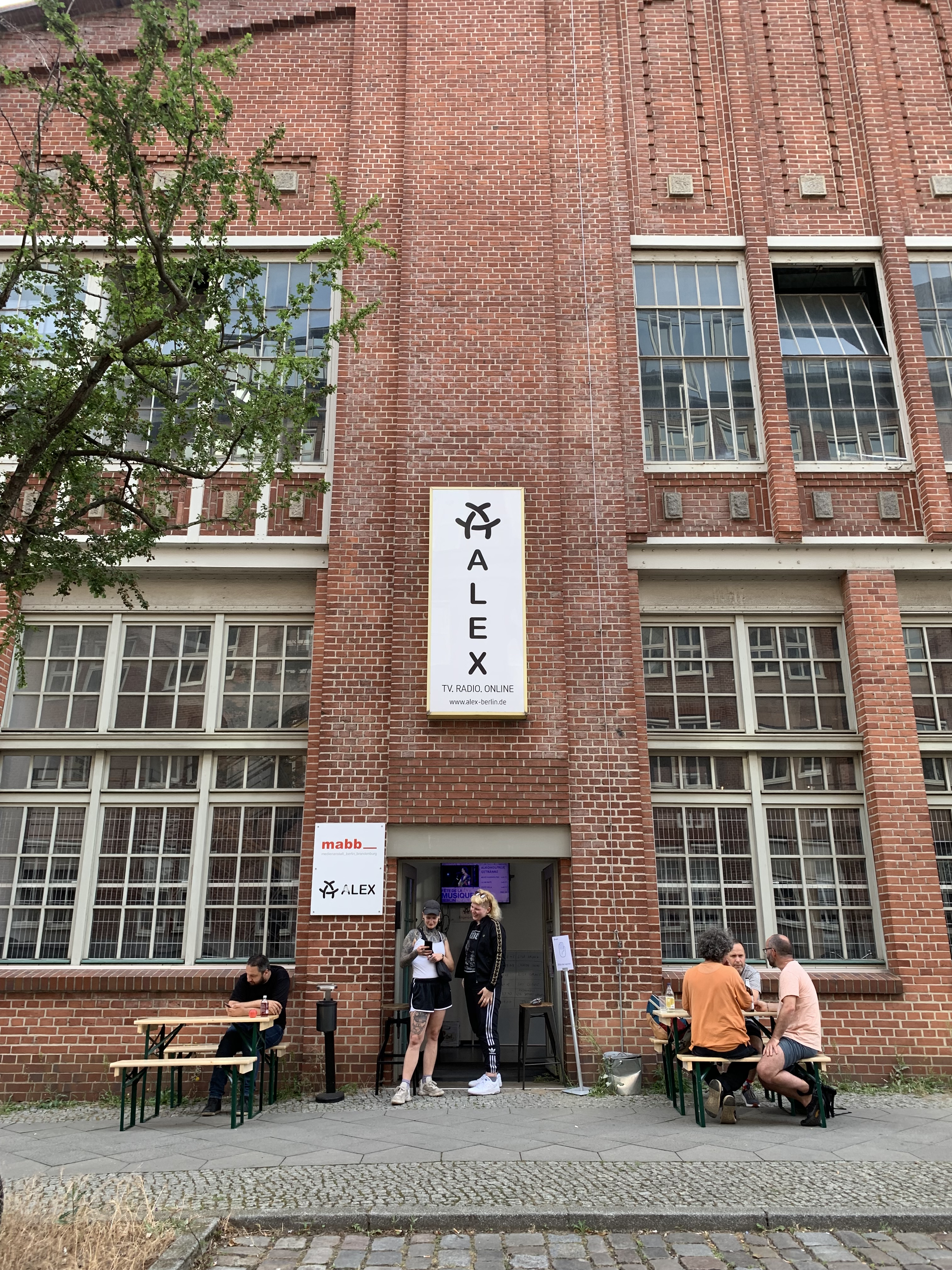
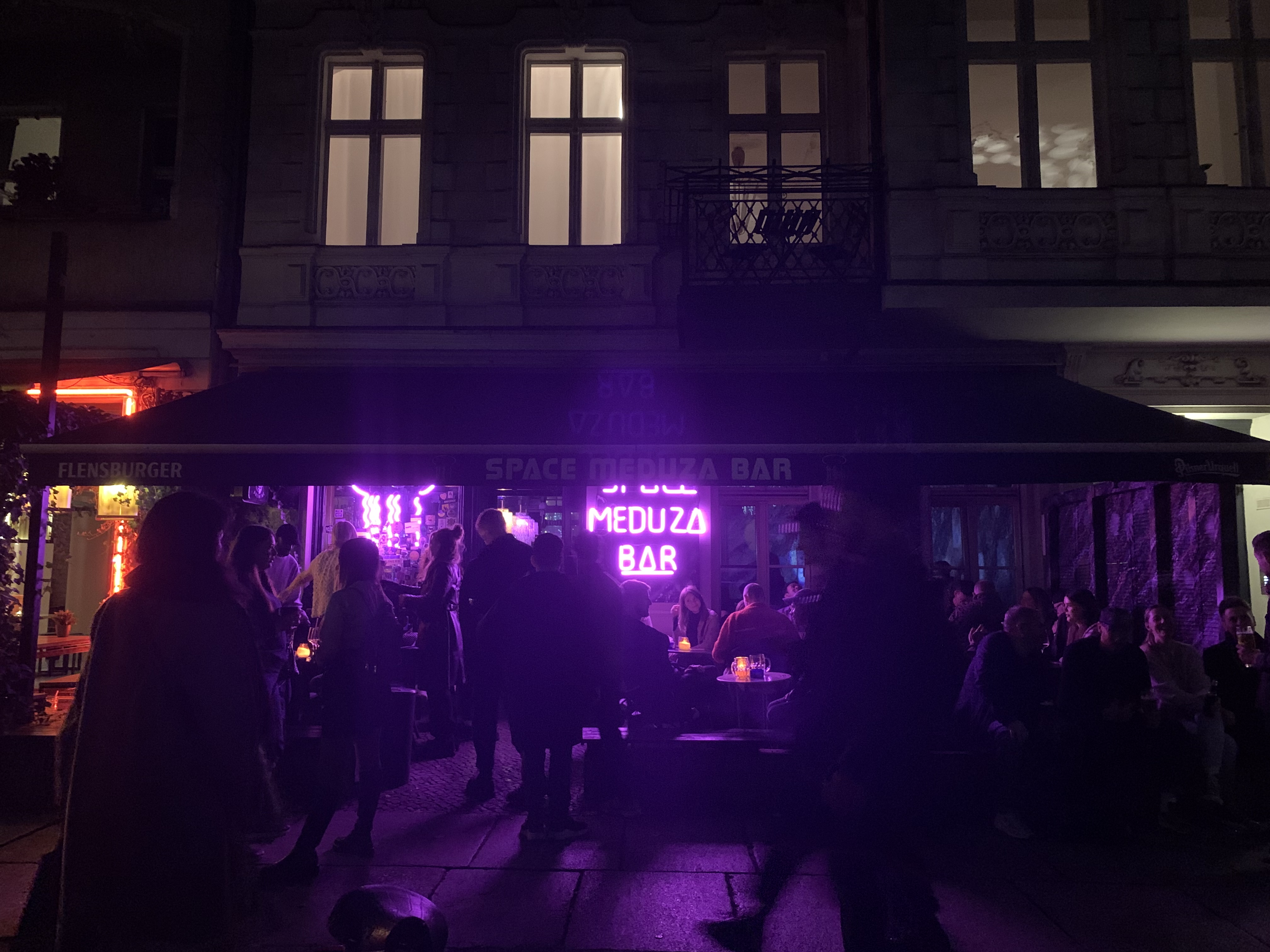
At Fete de la Musique, I was lucky to hear @lisaakuah perform songs from her debut album, Outgrowing Nymph. I met the psychedelic folk singer about 2 years ago at Space Meduza, where I was immediately entranced by her voice which seemed to expand endlessly into the neon-lit interior of the bar. Though Alex offered more of an industrial setting, the effect remained the same, her voice reverberating through bricks walls and steel beams to project an acoustic center into an abstract, cosmic space: “worlds endlessly wide,” as she would sing in “Dancing Trees.”
On a night where the past echoed into the present, and the wind outside stirred storms in my heart, I found Lisa’s music more penetrating than usual.
I’m close to the earth I breathe in the world Lying down on the ground That’s how I came to see In the breeze, the dancing trees
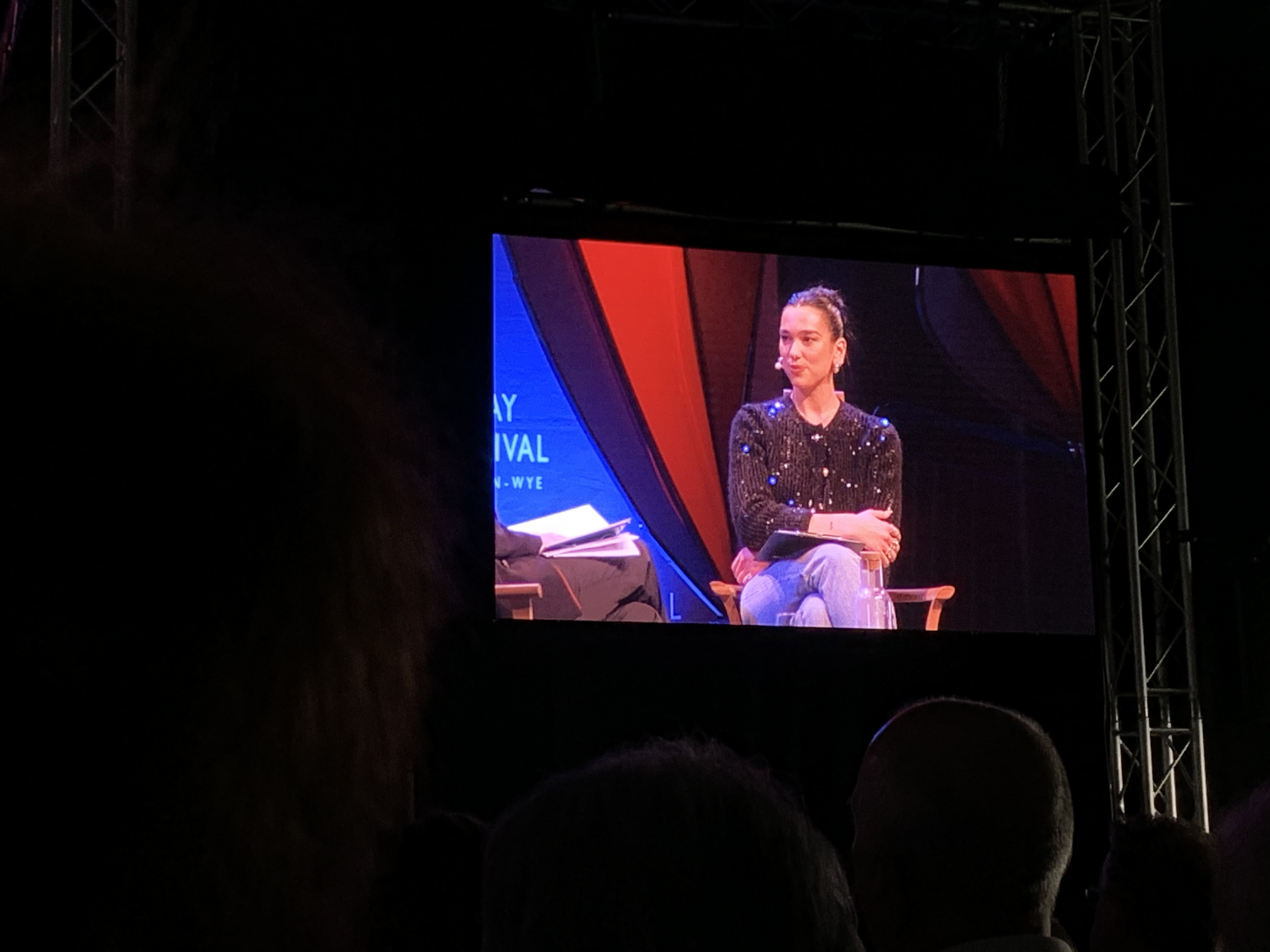
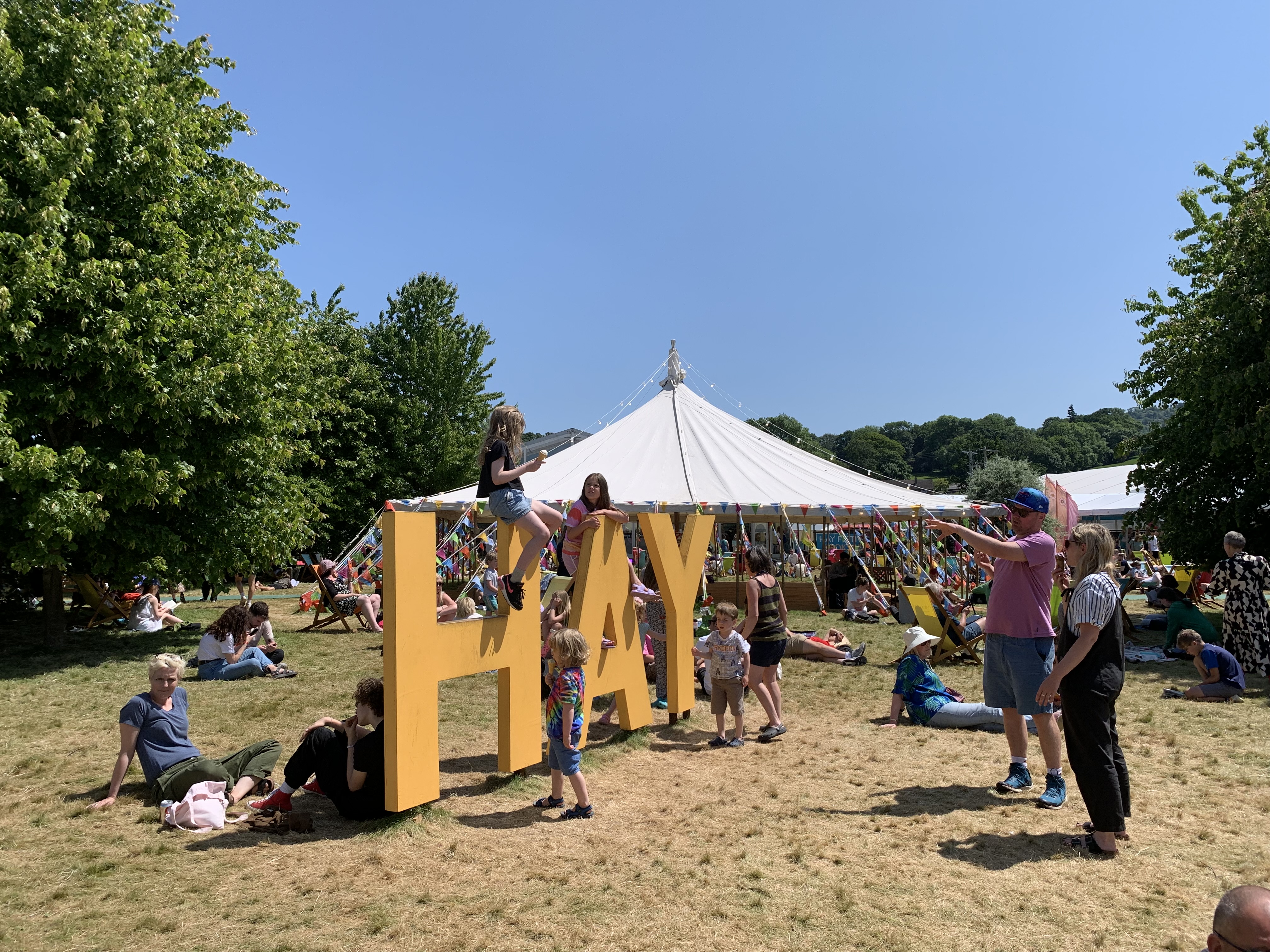
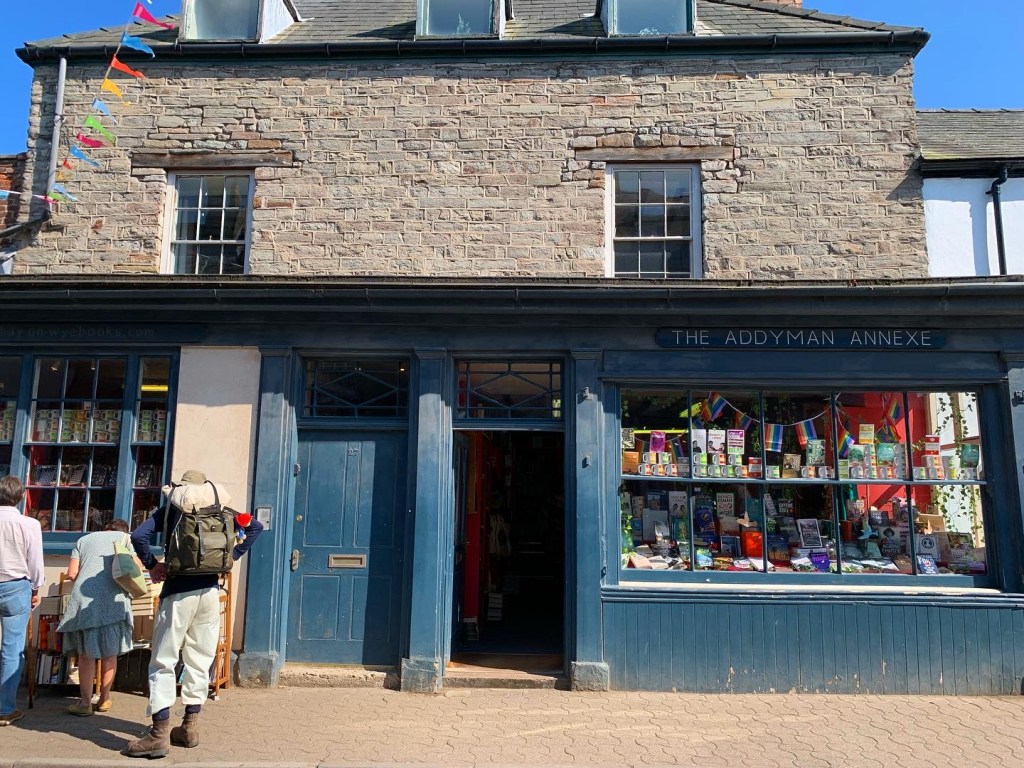
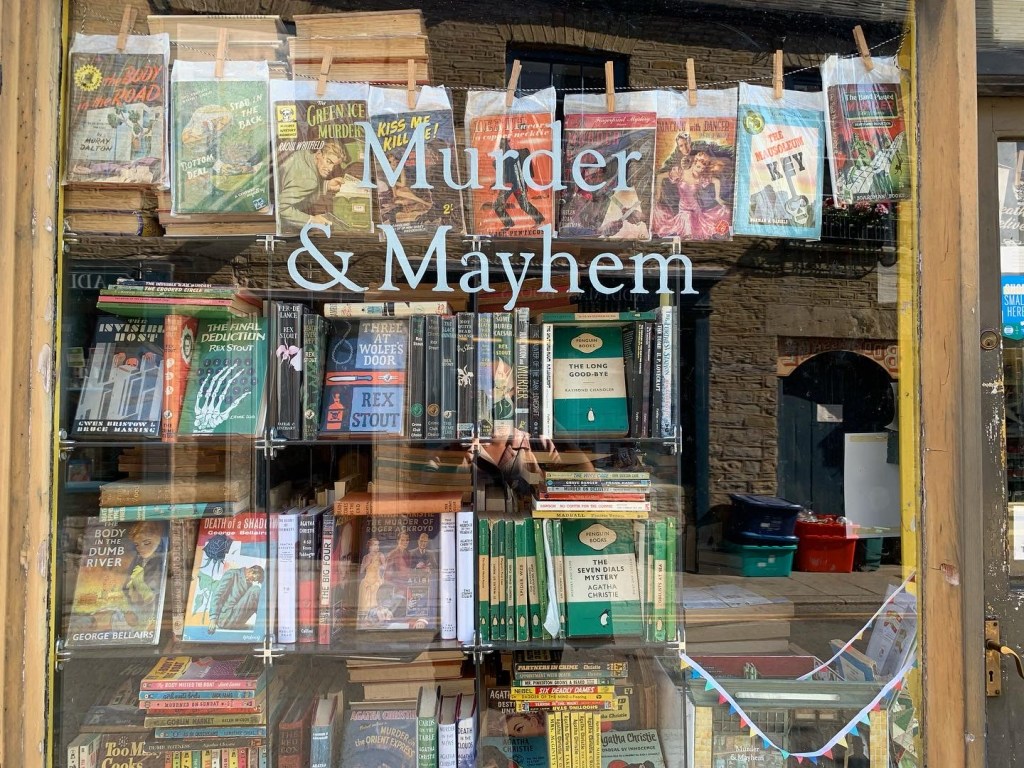
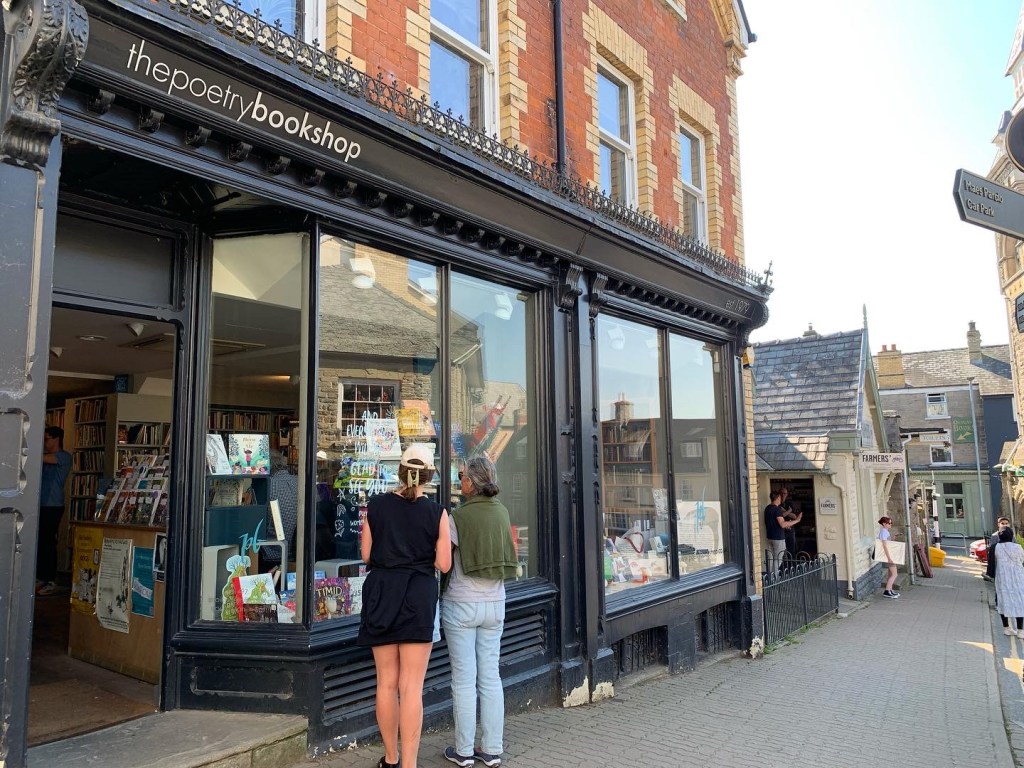
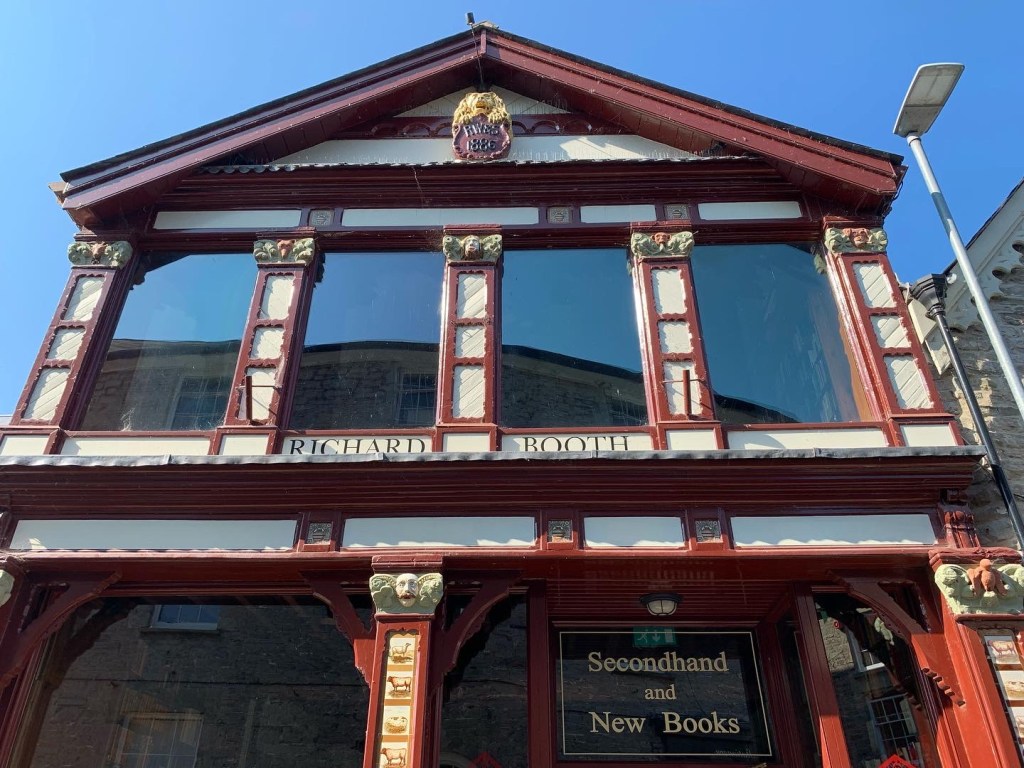
Hay-on-Wye greeted me with the smell of manure which wafted intermittently into my psoriatic nostrils as the bus careened through the Welsh countryside, Gran Turismo style. I was here for the last day of Hay Festival, tantalisingly termed by Bill Clinton as “the Woodstock of the mind.” Dubitable quotation source aside, there’s really a lot to like about Hay, a literary festival that combines the alacrity of summer camps and the finesse of interior thought: sweaty bodies meet fluid minds. Alongside tents, food stalls and lounge chairs were NGOs set up in flea market format doing donation and subscription drives: among a few, Greenpeace, theWI, Macmillan Cancer Support, and ShelterBox. People were middle class cordial – progressive and aware but also privileged to some extent. * At the Baillie Gifford Stage, Dua Lipa said that she has no plans to write a book, to the palpable dismay of the audience. But she is fully committed to her music (a new album), her podcast (“At Your Service”), and her book club (“Service95”). The interview, effortlessly and tactfully conducted by Gaby Wood (chief executive of the Booker Prize Foundation), offered an intimate insight into Dua Lipa not as global popstar, but as avid reader. It chronologically looked at various chapters of her life – moving to Kosovo, moving back to London, nascent music ventures – through literature: Malorie Blackman’s Noughts & Crosses, Jez Butterworth’s Jerusalem, Milan Kundera’s The Unbearable Lightness of Being, and Ocean Vuong’s On Earth We’re Briefly Gorgeous. It is a prime example of how when one holds up a book, one sees a part of themselves reflected on the pages. * After a satisfying keralan curry paired with a Welsh lager, I booked a 30-min massage with Jon (without the H, he insisted). Jon worked primarily on my lower back and noticed I had some issues with my shoulders. “Sitting all day in front of a screen is unnatural,” he admonished in a fatherly way. “So don’t forget to move.” With some vitality restored, I made my way back to the center of town.
While we were searching for Kierkegaard’s grave, Em asked if I already knew what I’d write on my headstone. Her question caught me by surprise, its sincerity and intensity doubled by Em’s foggy green eyes. I didn’t have an answer and so spent the rest of the afternoon morbidly scanning gravestones for inspiration, seeing in each of them, a small reflection of my own mortality. When we finally got to Kierkegaard’s grave, it was unassuming, weathered by the elements. Under his name the words of Danish clergyman Brorson were carved: “There is but little time/then I shall have won/then all the strife/will instantly have vanished/then I can rest/in petal-strewn halls/and ceaselessly to my Jesus speak.” * Though Kierkegaard was religious, he believed in the subjective truth of the divine, thus pitting him against a Christendom that was institutionalised and politicized. He was also depressed for most of his life, attributing this state to a Cartesian misalignment, “a suffering which must have its deeper basis in a misrelation between [his] mind and body.” The paradoxes of modern life did not stop him from publishing 38 completed works throughout his life, including the very influential Either/Or, a cornerstone of Western existentialism. Transcending the tyranny of binary, Kierkegaard seemed to suggest, entailed creating meaning as you pass through life: “If you marry, you will regret it; if you do not marry, you will also regret it.” Choices are not inherently wrong or right but objective artefacts imbued with subjective truth. Ultimately, even if life can be understood backwards, it can only be lived forwards (“Livet må forstås baglæns, men må leves forlæns”). * As we were leaving, we stumbled upon a pair of amorous lovers making out. I briefly wondered if their display of affection was amplified by their surroundings, if the absence of life had given a more pronounced present to the living and made them randy. I couldn’t figure out the answer to Em’s question in the end but I imagined it would be, if I choose to be buried, located either in marriage, or not.
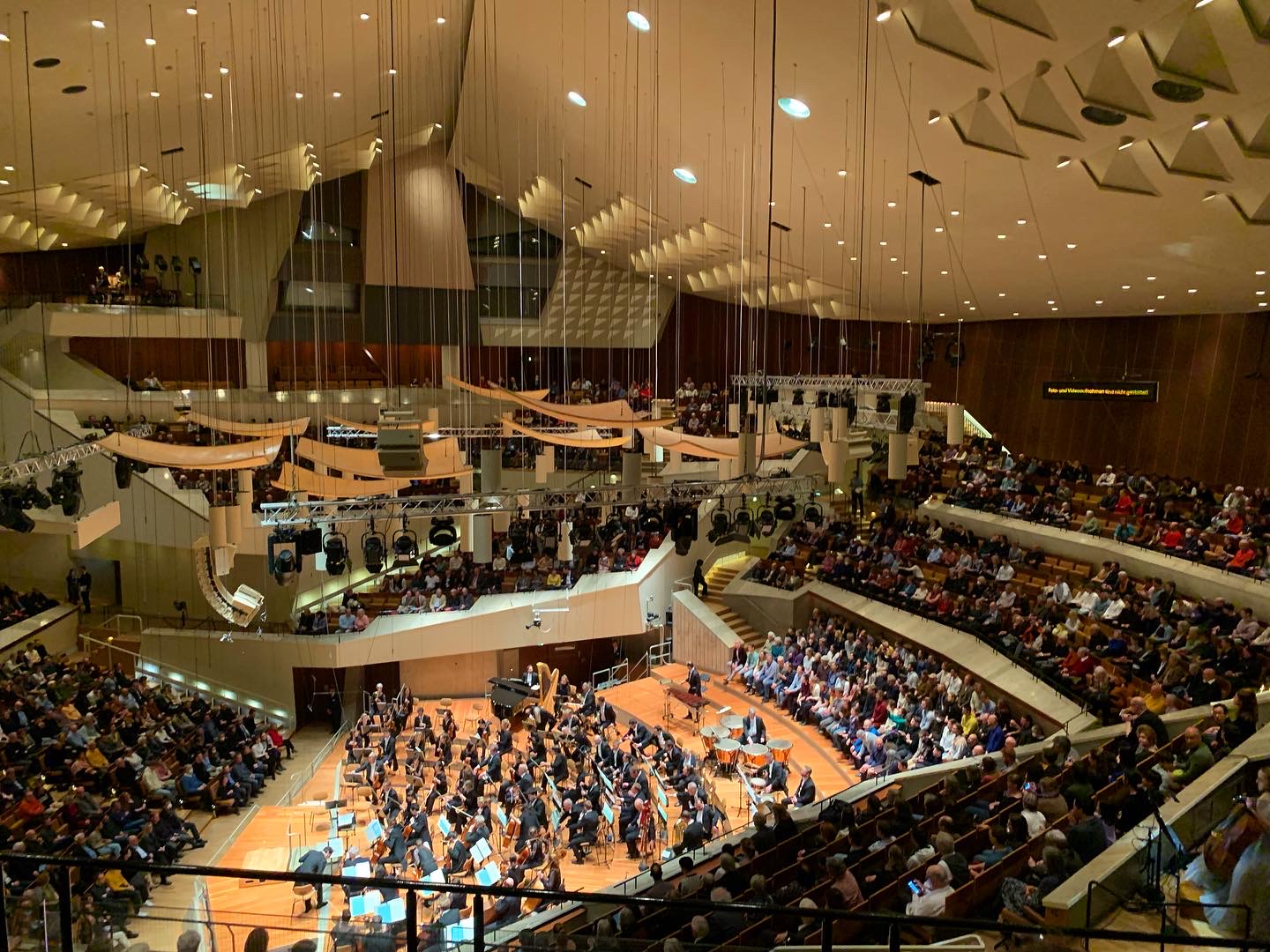
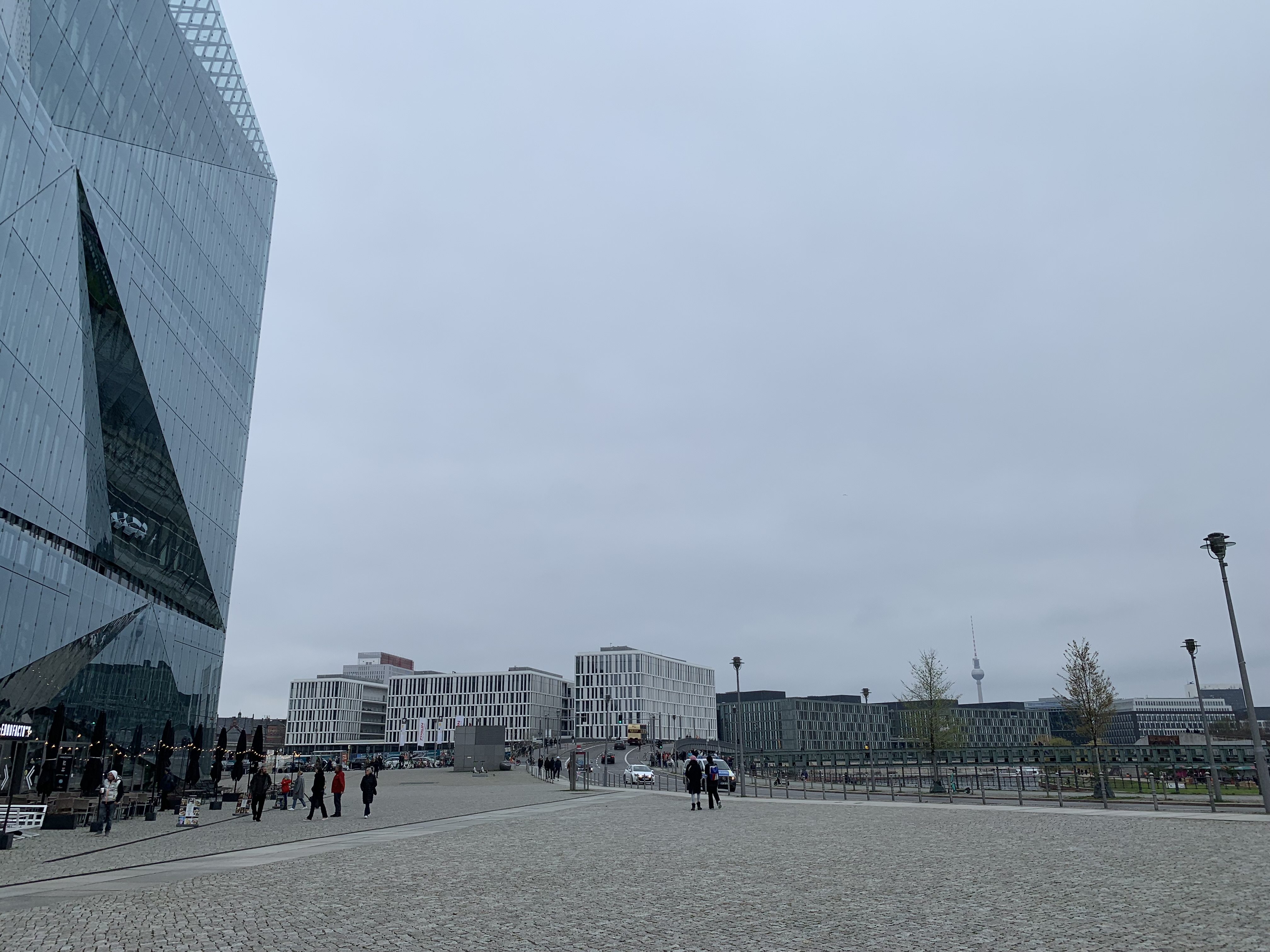
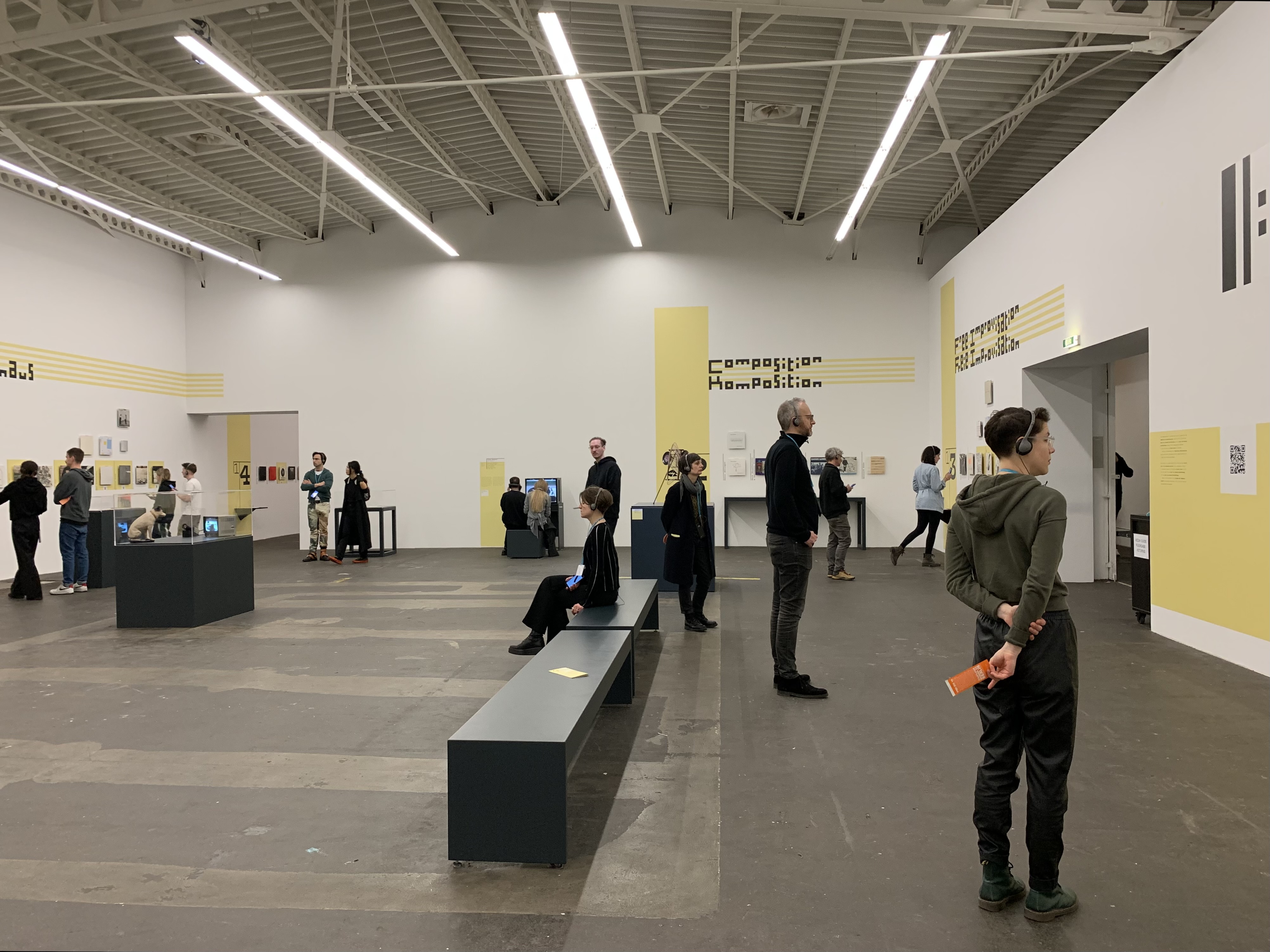
Monday’s weather continued from the weekend’s, the sky forlorn, the rain speckled. After Gil and I parted ways at the Berlin Central Station, I was assailed by a revelation of the emotional fullness of the days, which had began Saturday night with Elgar’s elegaic Cello Concerto at the Philharmonie, later reiterated on screen in the movie, Tàr. With Elgar’s melancholic strings still percolating in my head, I slept fitfully, then woke to go to Hamburger Bahnhof for the abstract, but in my head at least, tortured figures of Christina Quarles’s paintings. I ventured deeper, into a separate exhibition on broken music, charting the history of experimentations and innovations in music for the past few decades. A free audioguide is passed to you, on which you can scan QR codes to listen to the sounds from various curated themes in the exhibition – minimal/maximal music, techno, artists’s labels. I was immediately drawn to John Giorgio, who founded the Dial-A-Poem telephone service at the height of the 60s counterculture movement where a random poem is selected for the caller, usually poems with leftist leanings – anti-Vietnam war, pro civil rights, anti-capitalist. Eventually, it got shut down by the FBI in the 70s, not an unusual act of censoring materials that did not fit the status quo. In the Suicide Sutra, inspired by Buddhist chants, Giorgio’s voice is overlaid several times, each phrase, an echo of the last: “you can’t remember, you can’t remember, where you are, where you are, you have forgotten, you have forgotten, who you are, who you are.” Returning to the Central Station, Elgar’s contemplative tune was acoustically superimposed onto Giorgio’s mournful poetry, along with the visceral visuality of Quarles’s paintings. The overall effect was heavy, not the lightness of being of love and sex and living in the moment, but the vague feeling that all of these things have happened to you before, in a past life or an alternate reality. I took that feeling to Beate Uwe, where I met Fiona for the first time, and danced my heart away.
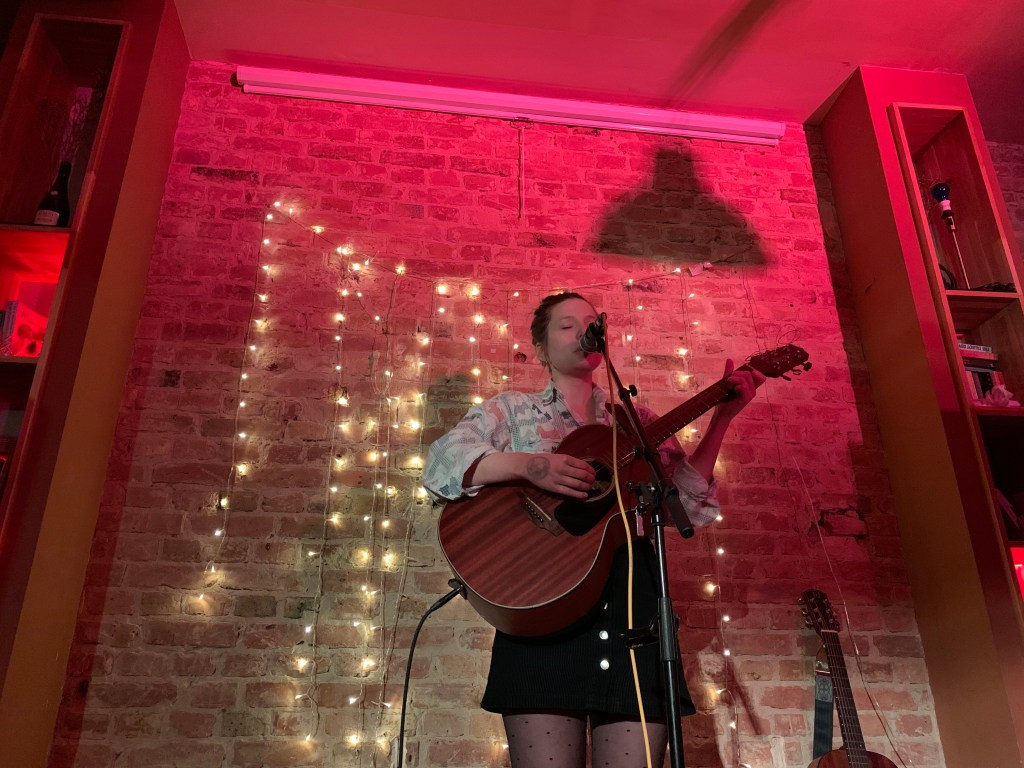
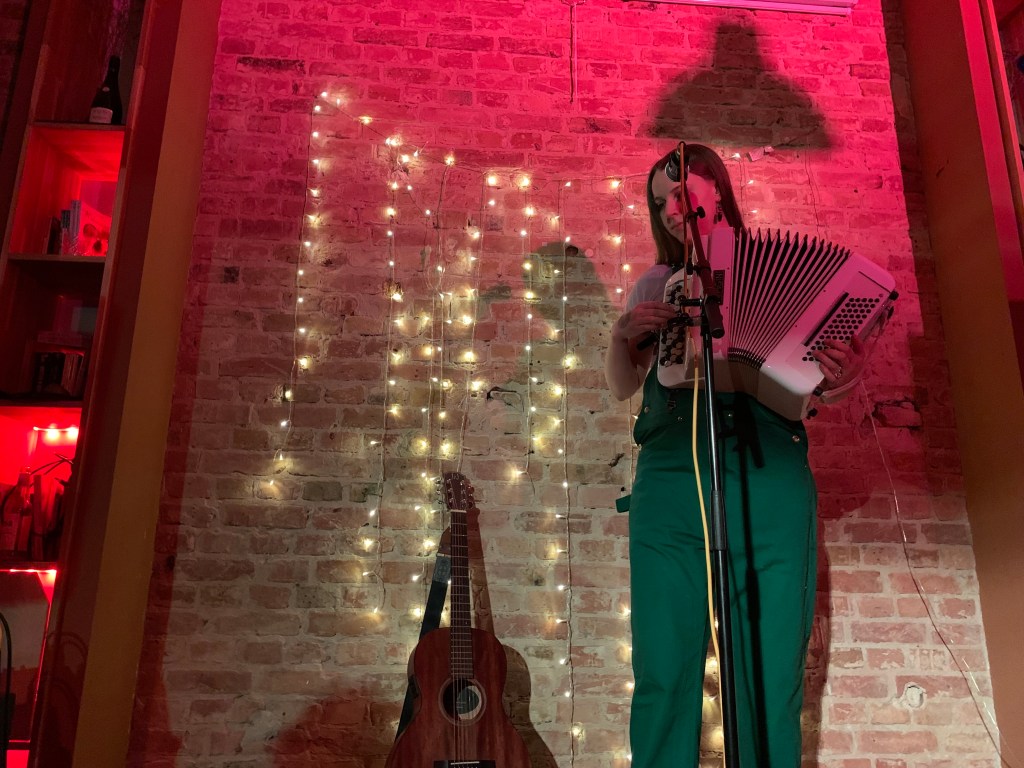
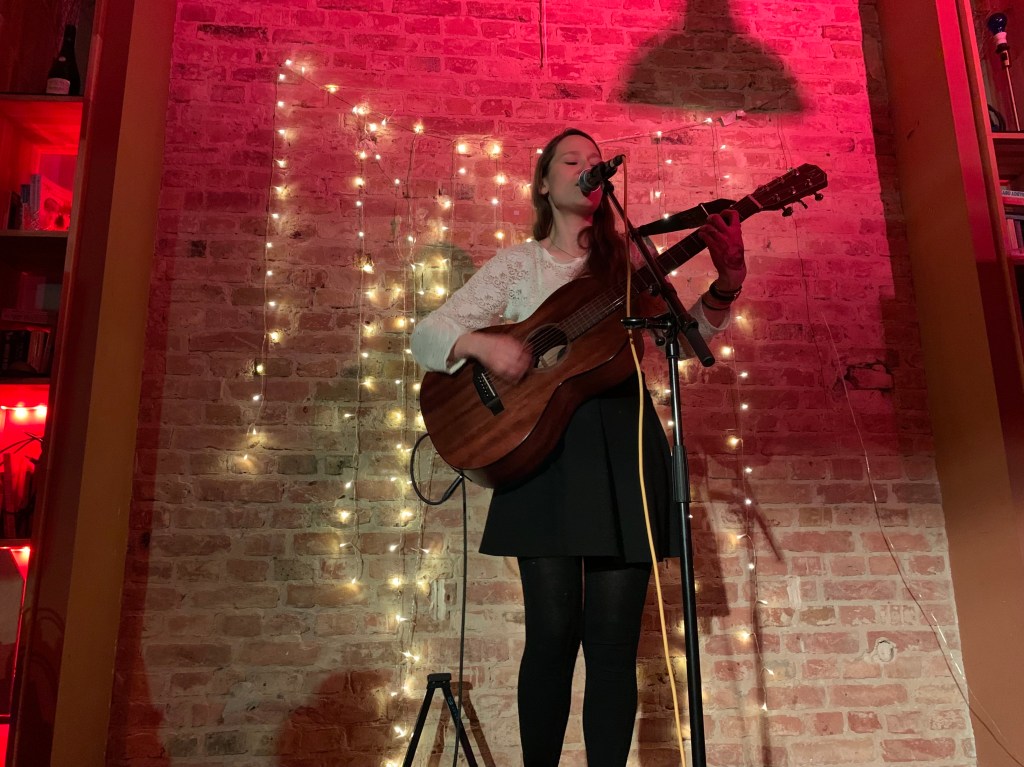
Every 2nd S̷a̷t̷u̷r̷d̷a̷y̷ Sunday of the month, in a dingy Neukölln bar, the convivial fox gathers its skulk for a night of music and storytelling.
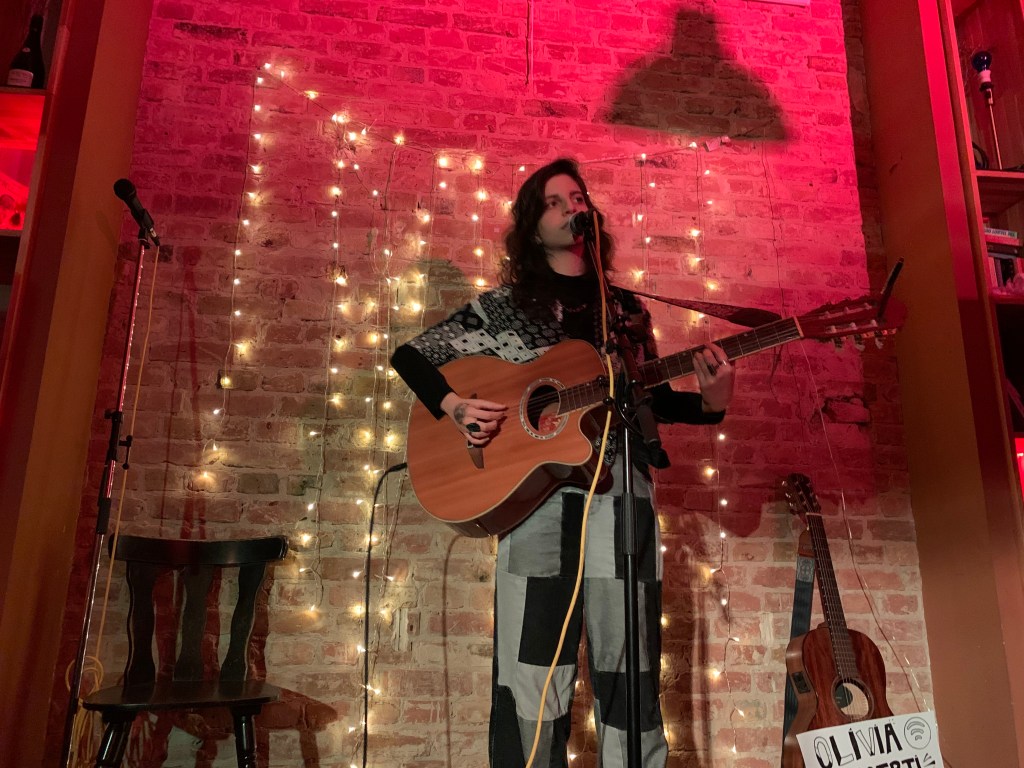
The night begins with Olivia Mamberti. The Berlin-based artist from Rio sings of past selves and past love. Her presence is airy, her voice tastes of half-melted gelato on a warm summer day.
Pause, 5 mins. 5 mins to recover from youthful reveries.
Marina Reza goes next. Brazilian summer retreats into New York winter. Blending Moshfeghian ennui with catchy Burnham-esque axioms, her poetry provides reprieve of some kind in an age of “we’re all f-ed in the b.”
Pause, again. We are reminded to use the restroom and tip the bartender, who is working alone tonight. There are thirsty cubs to feed.
Louise Mathilde falls into place on the stage. Her voice perforates. “Septembre” relates a terrible month of loss: the days get shorter; a lover leaves. As “que s’endorme le chagrin” is quavered, I feel her chagrin.
Pause, one last time. I’m on my third Radler. I’ve tipped the bartender.
Anna Pancenko comes on, spring in her steps. She juggles between guitar, accordion and harmonica. A deluge of genres – indie, folk, blues – is backed by quirky details from misbegotten adventures.
For Fuchs’ Sake is a monthly event curated by singer-songwriter, Ella Fuchs, showcasing four artists every 2nd Saturday (sometimes Sunday) of the month. It has been on hiatus since 21 August 2023 but you can follow updates on https://www.instagram.com/for.fuchs.sake.berlin/.
Pandemic, about 7 months in. The days accumulate, buried under browser tabs of Covid coverages, JSTOR repositories, Wikihows on dealing with loneliness. Youtube is stuck on perpetual autoplay: sad music, ads, sad music, ads, lofi beats for studying.
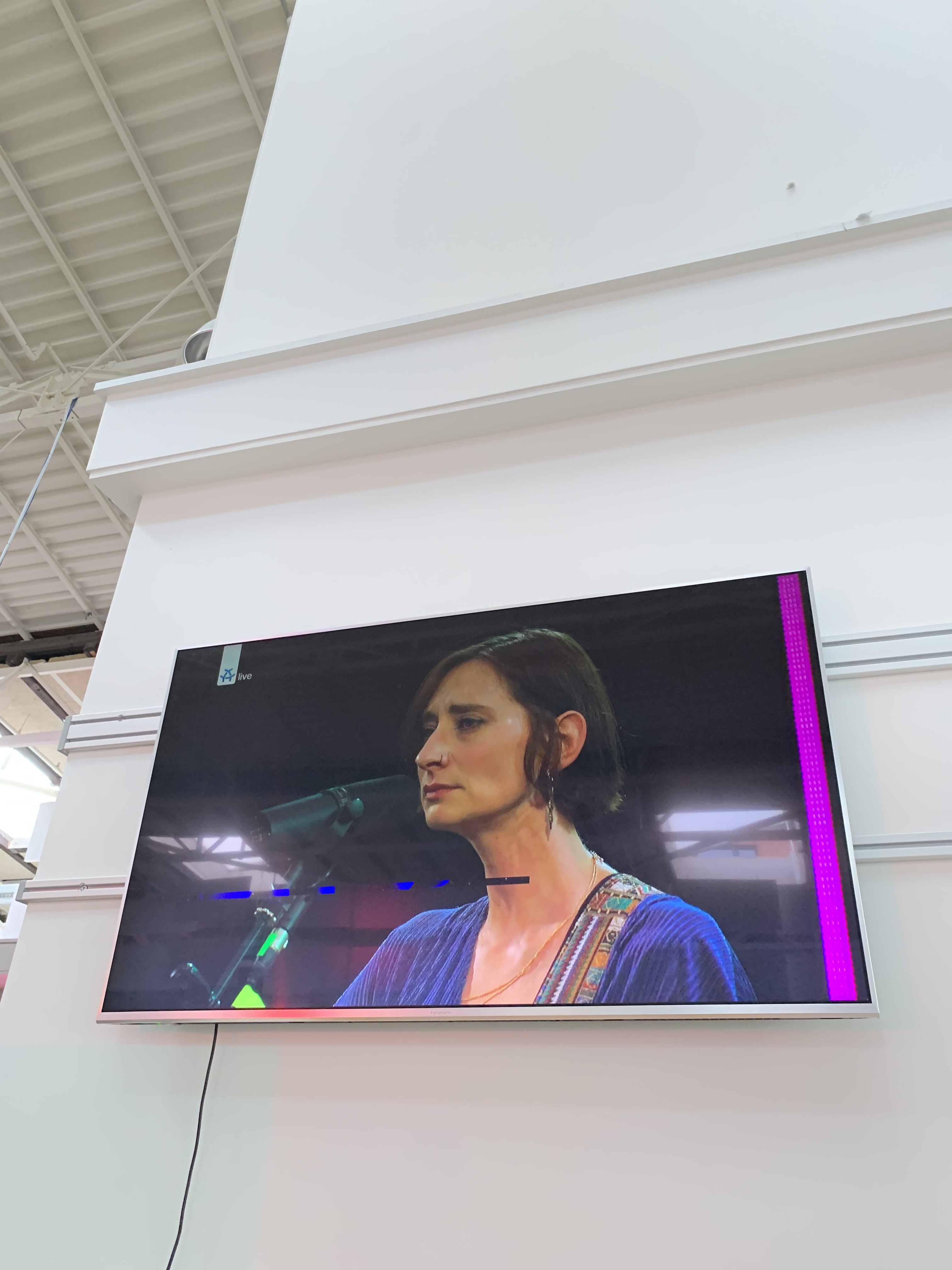
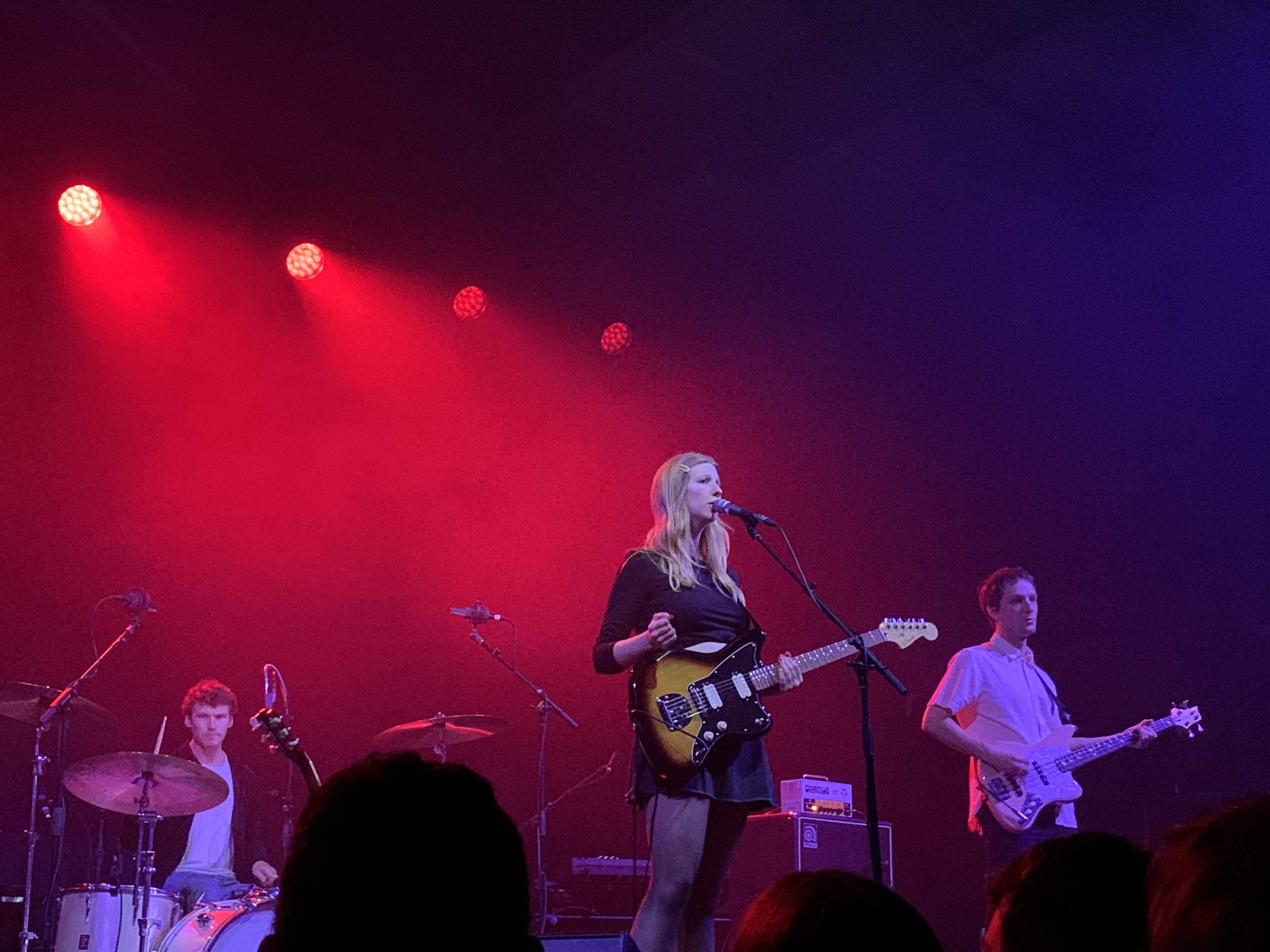
Around this time I discovered Slow Pulp, more specifically their KEXP at Home performance, recorded not long after their debut album, Moveys, was released. Guitars are softly strummed, tambourine and drums merge in beat, Massey croons mournfully. In many ways, the album’s about moving, consciously or circumstantially. Idaho for instance references a mistaken sojourn, Falling Apart tracks life paths sometimes irreversibly altered by the unforeseen.
3 years later, they are touring Europe for the first time. When it was announced, my phone buzzed twice: once for Death Cab for Cutie then for Slow Pulp, hot (sad) music in your area. It’s probably the first time I’ve bought a concert ticket with the opening act also in mind. Listening to Moveys again brought back the feelings of ennui and nihilism that had accompanied lockdown but it also reminded me of the quiet hope and movement you make amid nothingness and despair. Towards the end of New Horse, Massey sings: “I know I’m still getting better/I might come back/I’ll hope for that.” Me too.








 Chan Wai Charles Wong