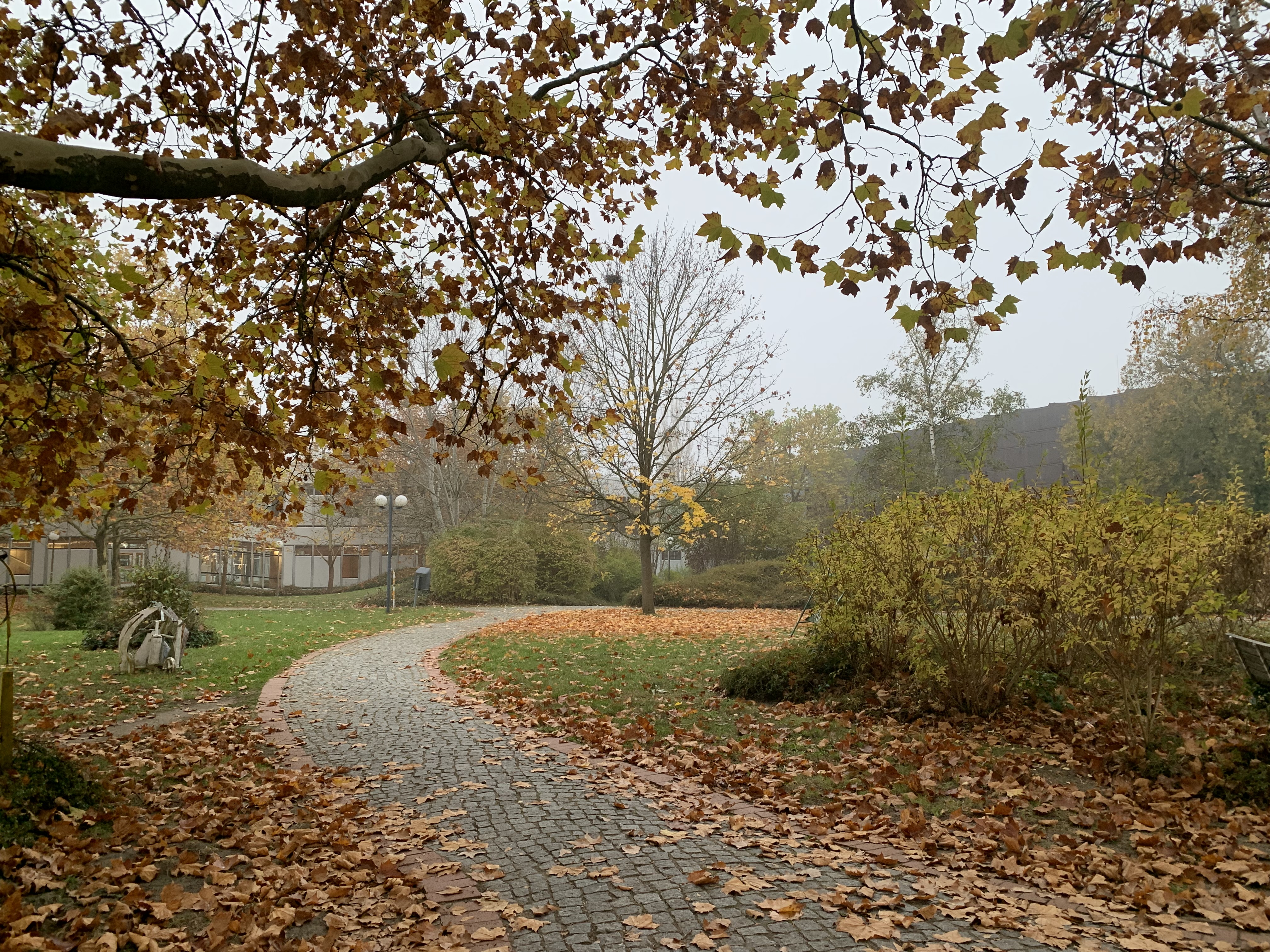
A thin fog descended as I was emerging out of the station at Dahlem, adding a veil to a day that had already attained a darker tenor from Trump’s reelection, a topic which later too coloured most of my conversation with my doctoral supervisor, who was coincidentally, supervising my project about boring apocalypses. What would the world look like when it ends? In fire and brimstone? Or a mundane descent into darkness? These scenarios clouded my head on my way back to the station as I dug my hands deep into my jacket pockets to brace myself against a sudden gale of air that portended an extra cold and gloomy winter.
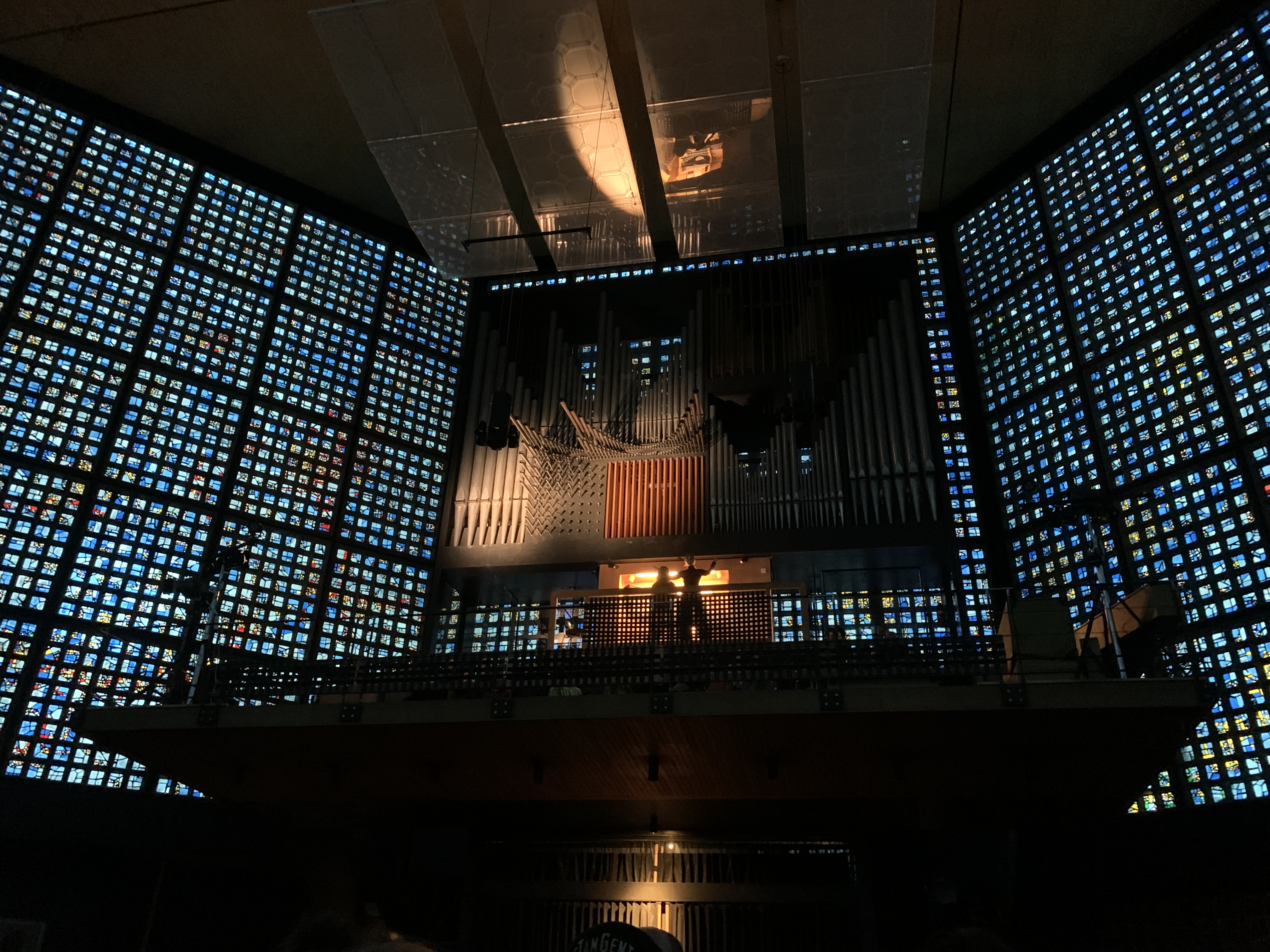
Later in the evening, on the hallowed ground where the Kaiser Wilhelm Memorial Church stood, it was perhaps fitting then that Kali Malone’s concert prolonged my considerations of doomsday’s advent. There were to be no revelations from her extended organ chords, no angel heralds or Christ-like saviours. The music droned on mournfully, almost endlessly, one long note leading to the next, between silence, hushed murmurs, a cough or two. For an instance, I couldn’t tell if these were the voices from the church or from her music, the hypnotic collapse of dichotomies, between the sacred and the profane, between the apocalyptic and the ordinary, a mere constant of the human condition. In the cycle of repetitions, I was suddenly reminded of Beckett’s plays and his adage that there is “better hope deferred, than none.”
 Chan Wai Charles Wong