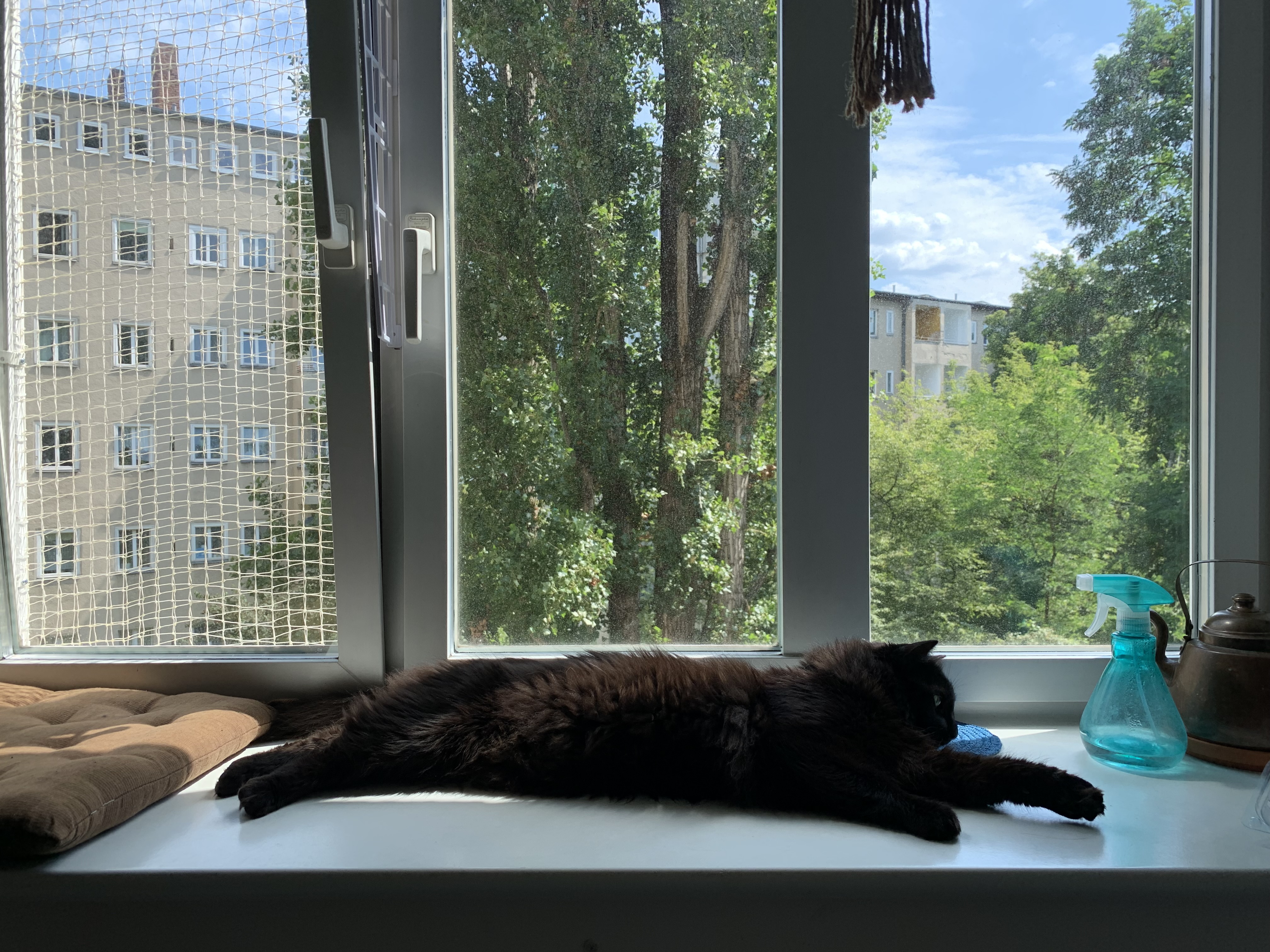
July ends with me thinking about my place in this dying planet, sweaty and flushed in what my phone says is weather 5 degree celsius warmer than usual, as Gobs sits on my face at 6am sharp before he runs off at the sound of his feeder dispensing a fresh batch of dried goodies, leaving me smelling like cat butt and surviving on 5 hours of sleep. Food 1 Charles 0.
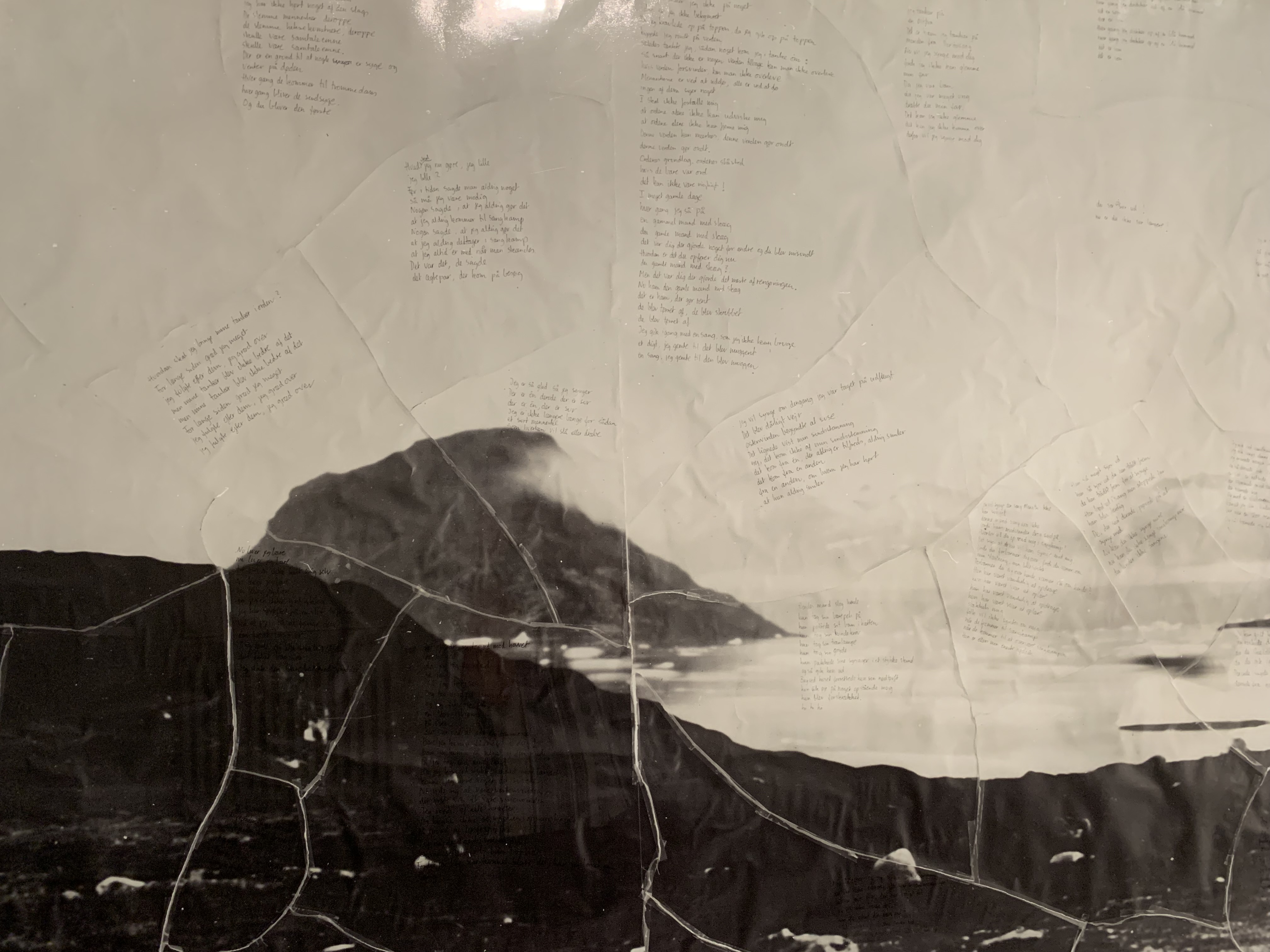
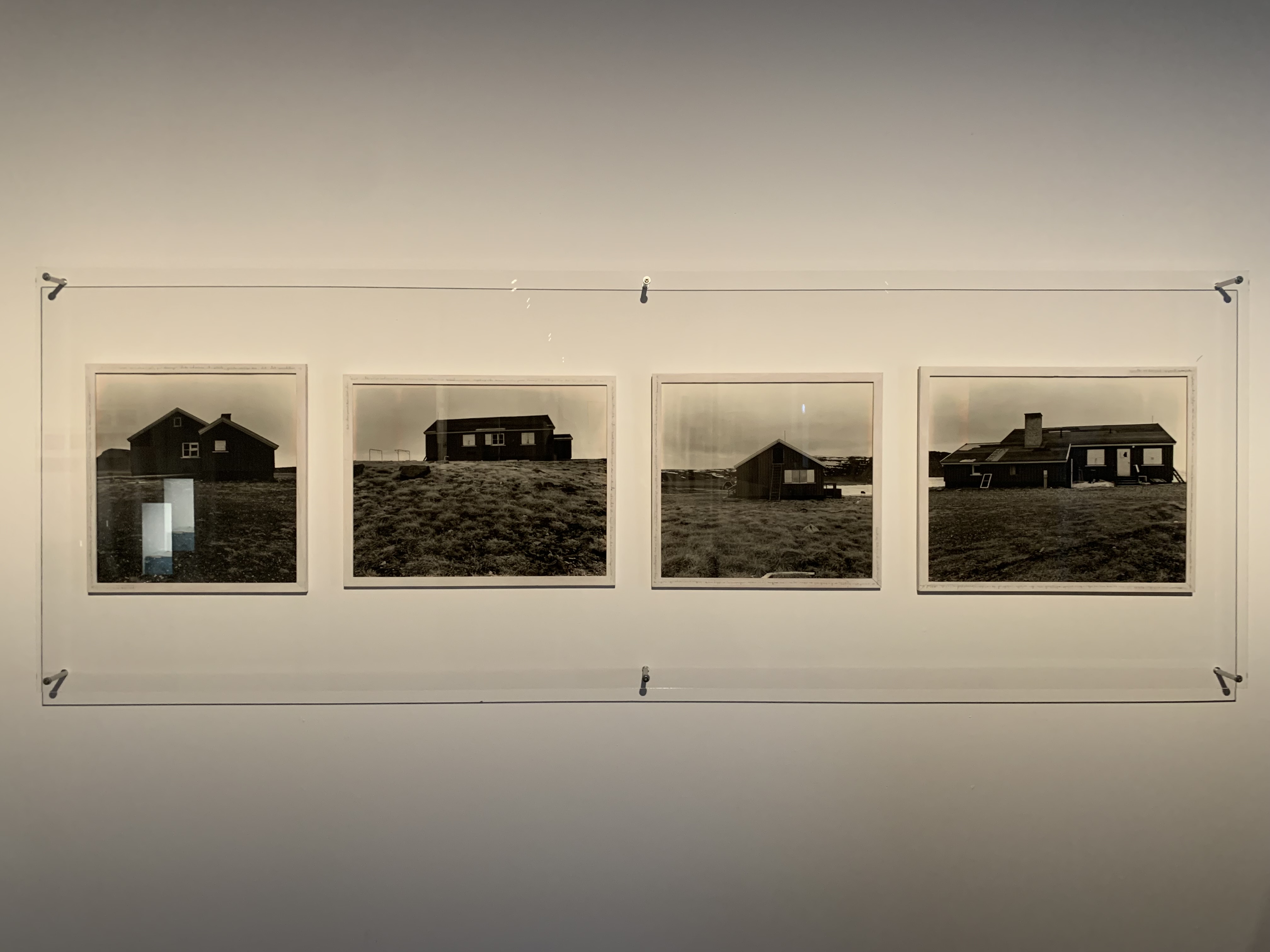
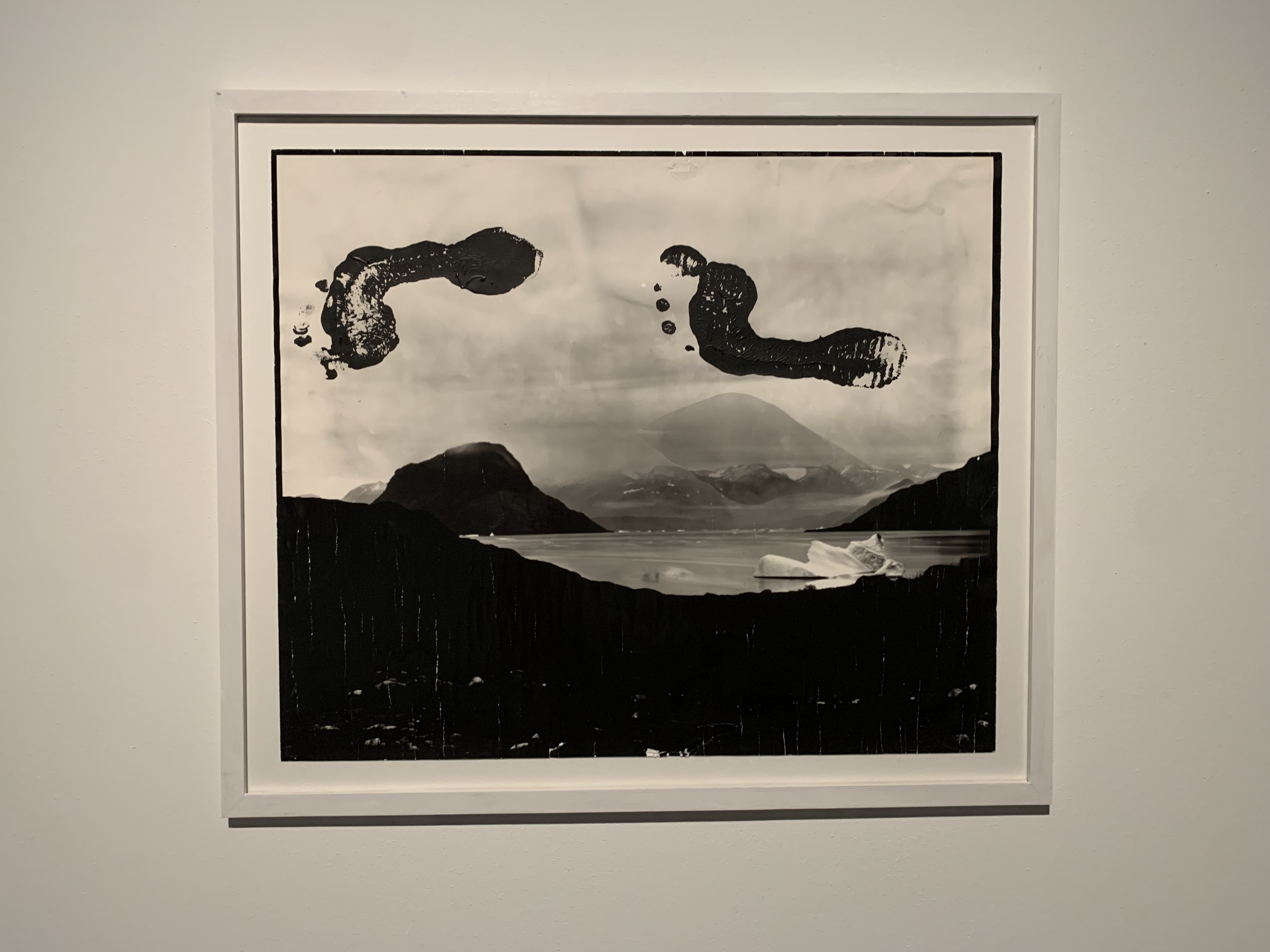
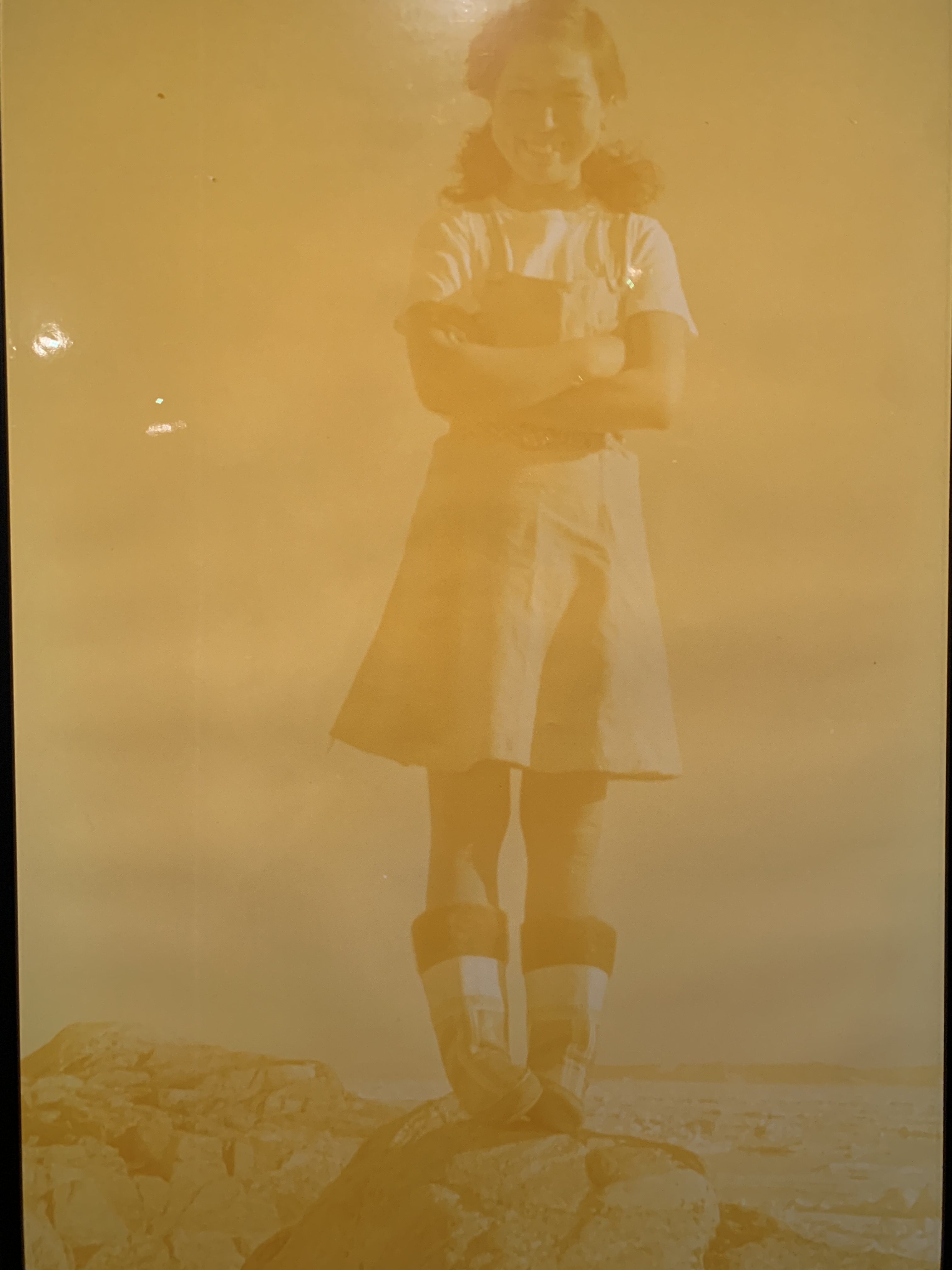
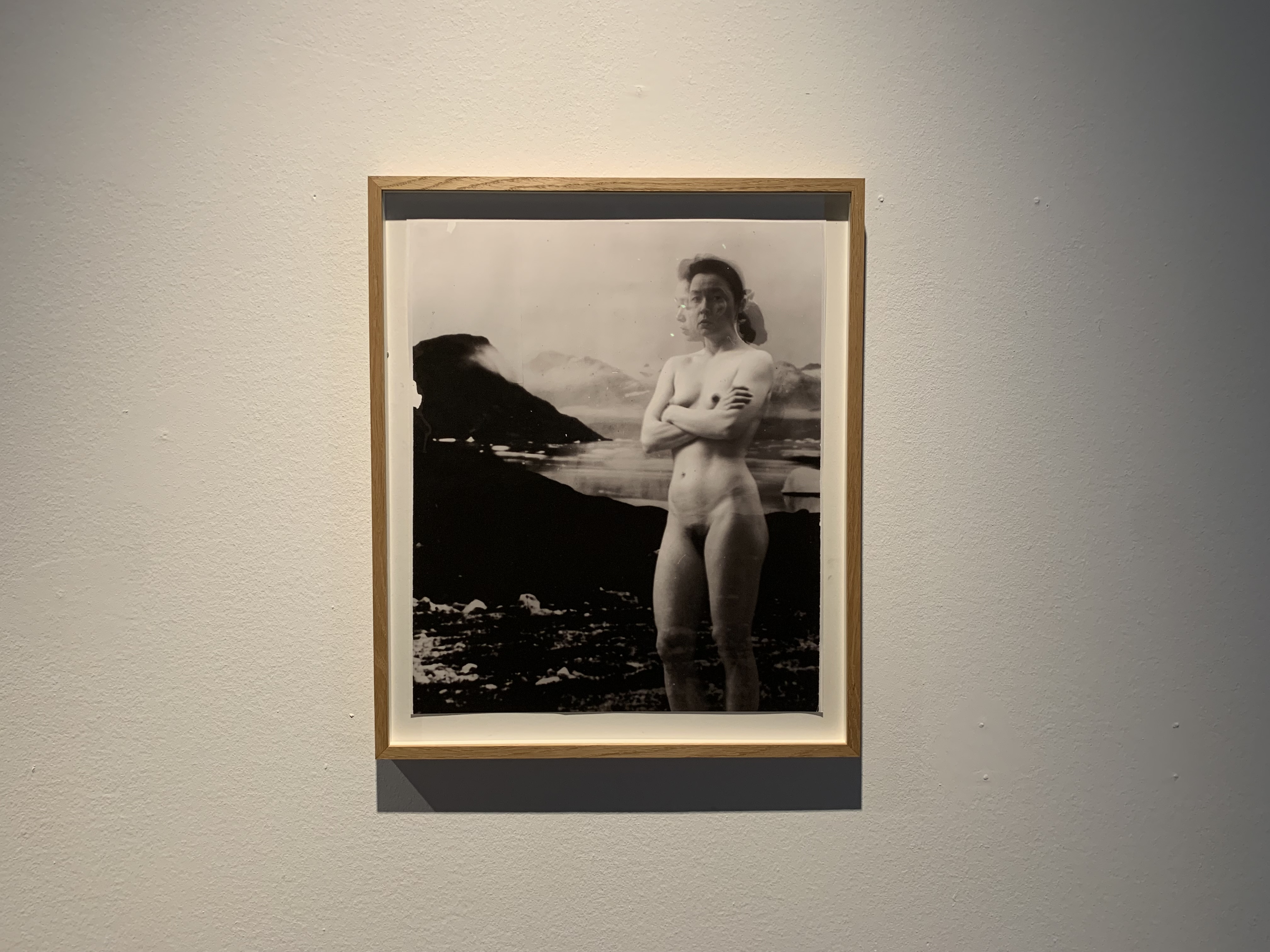
In the opening pages of Ben Lerner’s Leaving the Atocha Station, the narrator goes to the Prado as part of his morning routine in Madrid. Standing in his usual spot is a man looking at Van der Weyden’s Descent of the Cross. The man suddenly breaks down crying, presumably because he was “having a profound experience of art.” This leads the narrator to reflect upon whether he was capable of feeling the same thing; I have never cried in front of a work of art, no matter how brilliant I found it, but at the Pia Arke exhibition at the KW Museum in Berlin, I came close to what was probably a “profound experience of art.” I did not cry, but it triggered something primordial in me, something I can only describe as perfectly captured in Sufjan Stevens’s song, Casimir Pulaski Day, something about the human condition and life, that “[it only] takes [and it] takes [and it] takes.” And that was what I found mesmerizing about Pia’s work: about the colonization of Greenland by Denmark, about her being both an Inuit and a Dane, and not really belonging anywhere, not by choice, but by life’s cruel circumstances. “[And it] takes [and it] takes [and it] takes.” Bit by bit from her Inuit heritage, bit by bit from her Danish inheritance, until she is stripped naked, quite literally in some of her portraits, a lone figure standing in front of a landscape that is pristine only in memory.
 Chan Wai Charles Wong